Poacher
A poacher is an individual who engages in the illegal shooting, trapping, or taking of fish, game, or plants from private property or protected areas where…
What is poacher?
A poacher is an individual who engages in the illegal shooting, trapping, or taking of fish, game, or plants from private property or protected areas where such activities are forbidden.1
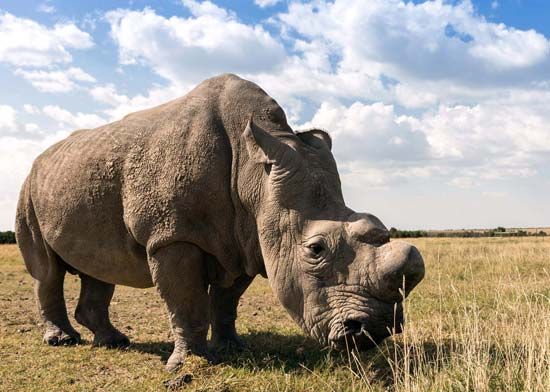
While historically some poaching was driven by subsistence needs, modern poaching is primarily conducted for sport or commercial profit within black markets. This practice is ethically indefensible, as it serves as a major existential threat to global biodiversity and has pushed numerous species toward extinction. By exploiting vulnerable wildlife—such as rhinoceroses, elephants, and tigers—poachers undermine vital conservation efforts and disrupt fragile ecosystems. International agreements like CITES work to combat these crimes by regulating trade and deterring the smuggling of wildlife products.1
What is the Convention on International Trade in Endangered Species (CITES)?
The Convention on International Trade in Endangered Species of Wild Flora and Fauna (CITES) is an international agreement adopted in 1973 to regulate the global commercial trade of wild animal and plant species. Its primary goal is to ensure that international trade does not threaten the survival of these species.32
The convention classifies species into three appendices based on their conservation status:
- Appendix I: Lists species threatened with extinction. Commercial trade is generally prohibited, with rare exceptions for scientific or educational purposes.32
- Appendix II: Includes species that are not currently threatened with extinction but may become so if trade is not strictly regulated through permits.32
- Appendix III: Contains species protected in at least one country that has requested assistance from other CITES members to control international trade.32
As of 2019, 183 countries were parties to the agreement, which covers over 5,800 animal and 30,000 plant species, including products derived from them such as food, medicine, and clothing.3
How does poaching contribute to the extinction of species?
Poaching contributes to the extinction of species by removing individuals from a population faster than they can reproduce and recover, a process often categorized as overharvesting. This illegal activity disrupts the natural order of ecosystems and threatens global biodiversity in several critical ways:
- Population Depletion: By targeting specific species for commercial profit or sport, poachers reduce population numbers to levels where recovery becomes difficult or impossible. For example, the illegal trade in ivory often involves killing the oldest, most mature elephants, which disrupts the social structure of family groups and reduces reproductive success.25
- Trophic Cascades: The removal of key species can trigger a trophic cascade, where the loss of a predator or prey species causes an imbalance that ripples through the entire food chain, potentially leading to further habitat degradation.5
- Habitat Destruction: Poaching often involves destructive methods, such as illegal logging of rosewood or mahogany, which destroys the habitats that other animals depend on for survival.2
- Loss of Genetic Diversity: By removing mature specimens, poachers diminish the genetic health of a population, making it less resilient to diseases, pests, and environmental changes.5
We could dive deeper into how specific conservation programs, such as the IUCN Red List of Threatened Species, help scientists track these declines.
What role do game wardens play in protecting wildlife?
Game wardens play a vital role in wildlife protection by ensuring that hunting and fishing laws are strictly obeyed. By patrolling protected areas, such as national parks and wildlife preserves, they act as a primary defense against poaching, which is a major threat to biodiversity.7
Their responsibilities include:
- Enforcement: Wardens monitor activities to restrain illegal commercial operations that target endangered species for their parts, such as ivory or medicinal organs.2
- Conservation Support: They serve as a key component of broader conservation programs, helping to maintain the integrity of ecosystems by preventing the illegal removal of animals and plants integrity of ecosystems by preventing the illegal removal of animals and plants.2
- Risk Management: Because poaching can involve organized criminal activity, the work of a game warden is often dangerous. Confrontations over valuable wildlife can lead to violent clashes, highlighting the critical and often perilous nature of their commitment to protecting vulnerable species.2
Sources
- poacher — Merriam-Webster
- poaching — Encyclopædia Britannica
- Convention on International Trade in Endangered Species — Encyclopædia Britannica
- endangered species - CITES — Encyclopædia Britannica
- overharvesting — Encyclopædia Britannica
- conservation - Human use — Encyclopædia Britannica
- game warden — Merriam-Webster
Published on · 3 min read