Saving Sharks in the 2020s
"Saving Sharks in the 2020s" refers to the ongoing global efforts to protect shark populations from the dual threats of shark finning and commercial fishing.…
What is Saving Sharks in the 2020s?
“Saving Sharks in the 2020s” refers to the ongoing global efforts to protect shark populations from the dual threats of shark finning and commercial fishing. While shark finning—the practice of harvesting fins and discarding the shark—has declined due to increased public awareness and legislative action, sharks remain critically endangered by accidental capture (bycatch) and targeted fishing for products like liver oil.1
Key developments in the 2020s include:
- Legislative Protections: International agreements like CITES have placed stricter trade controls on vulnerable species, while national laws, such as the U.S. Shark Fin Sales Elimination Act of 2022, have further restricted the trade of shark products.1
- Marine Protected Areas (MPAs): The expansion of protected zones, such as the Galapagos Marine Reserve, provides critical safe havens for migratory species.1
- Conservation Challenges: Despite progress, over 30 percent of shark species are considered threatened or endangered, and effective, large-scale solutions for reducing bycatch remain elusive.1
Why are sharks considered apex predators and how do they keep marine ecosystems healthy?
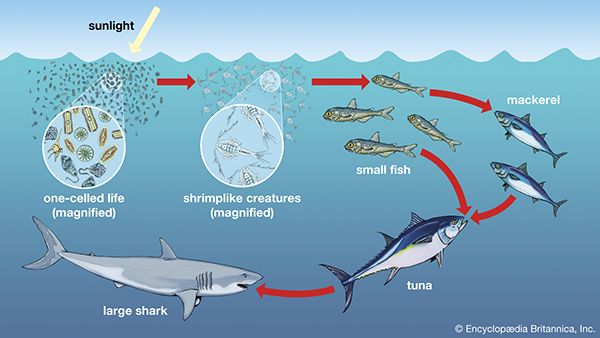
Sharks are considered apex predators because they occupy the top position in marine food chains, meaning they have virtually no natural enemies in their environments. As large, powerful predators, they regulate the health of marine ecosystems by maintaining the balance of other species.345
Their role in keeping ecosystems healthy is critical:
- Population Regulation: By preying on secondary and tertiary consumers, sharks prevent these populations from becoming overly numerous. When shark numbers decline, these prey species can explode in population, which in turn can devastate lower-level organisms like scallops, clams, and lobsters, potentially leading to ecological collapse.6
- Balancing Marine Mammals: Species such as the white shark help keep populations of marine mammals in balance, ensuring that no single group dominates the ecosystem to the detriment of others.5
- Ecosystem Stability: Because sharks are top-level predators, their removal can trigger a “domino effect” throughout the food web, disrupting the stability of the entire marine environment.67
Because sharks grow slowly and produce few offspring, they are highly vulnerable to overfishing, which threatens the vital regulatory roles they play in our oceans.65
What is bycatch and why is it such a major threat to shark populations?
Bycatch refers to the unintentional capture of non-target marine life—including sharks, sea turtles, and marine mammals—by the commercial fishing industry. When fishing vessels use large-scale gear like trawls, gill nets, or longlines, they often capture everything in their path, regardless of whether the species is commercially valuable or protected.10
Bycatch is a major threat to shark populations for several reasons:
- High Mortality Rates: Even if fishermen attempt to release non-target species, the physical trauma and stress of being trapped in nets or on hooks often prove fatal before the animals can be returned to the water.10
- Scale of Impact: Accidental capture is a leading factor in the population collapse of several shark species, including hammerhead, white, and thresher sharks.11
- Lack of Effective Solutions: While technological advancements like turtle excluder devices exist, effective gear modifications to prevent shark bycatch remain elusive, making it difficult to reduce these encounters on a large scale.1011
Because sharks grow slowly and produce few offspring, they cannot recover quickly from these high levels of accidental mortality, which continues to drive many species toward extinction.1011
How do marine protected areas help shark species recover from population declines?
Marine protected areas (MPAs) serve as vital tools for shark conservation by acting as retreats or safe zones that restrict or prohibit destructive human activities, particularly commercial fishing.121
These areas help shark populations recover through several key mechanisms:
- Reducing Fishing Encounters: The primary goal of shark conservation is to minimize interactions between sharks and fishing fleets. By restricting access to areas frequented by sharks, MPAs significantly lower the risk of sharks being taken as bycatch or targeted for their fins and oil.1
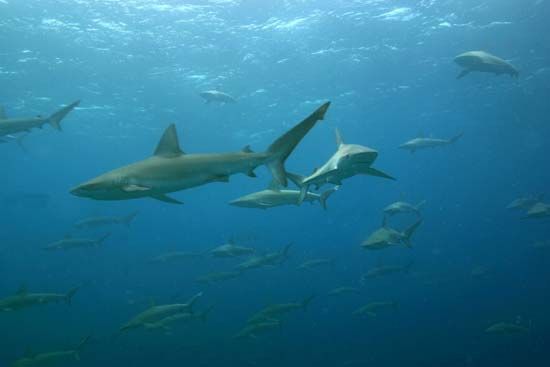
- Protecting Critical Habitats: MPAs can safeguard essential environments, such as nurseries where young sharks develop. For example, the Galapagos Marine Reserve has shown positive results for the critically endangered scalloped hammerhead, with the discovery of a new nursery area following years of protection.1
- Stabilizing Ecosystems: By limiting intensive economic development and extractive activities, MPAs help reinforce the structure of marine ecosystems. This stability provides a healthier environment for apex predators to thrive and recover from population declines.121
- Large-Scale Connectivity: Initiatives like the Eastern Tropical Pacific Marine Corridor aim to connect multiple protected areas, creating vast corridors that safeguard migratory routes for sharks, sea turtles, and other marine life.1
While MPAs are not always completely “no-take” zones, studies indicate that conservation benefits are greatest in large, remote, and well-enforced areas that prohibit all harvesting. When combined with catch limits and improved fishing gear, these protected zones are essential for the long-term survival of shark species.121
Sources
- Saving Sharks in the 2020s — Encyclopædia Britannica
- shark - Description and habits — Encyclopædia Britannica
- shark — Encyclopædia Britannica
- shark - Shark behaviour — Encyclopædia Britannica
- chondrichthyan - Sharks — Encyclopædia Britannica
- white shark - Role in marine food chains — Encyclopædia Britannica
- Man Bites Shark — Encyclopædia Britannica
- chondrichthyan - Distribution and abundance — Encyclopædia Britannica
- white shark - Conservation — Encyclopædia Britannica
- bycatch — Encyclopædia Britannica
- bycatch — Merriam-Webster
- marine protected area — Encyclopædia Britannica
Published on · 4 min read