Sheepdog
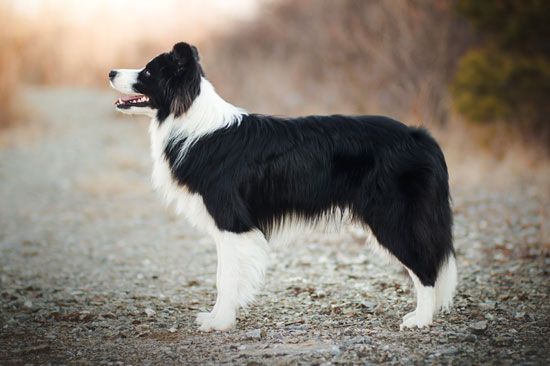
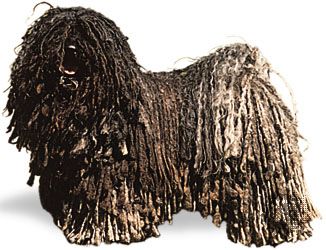
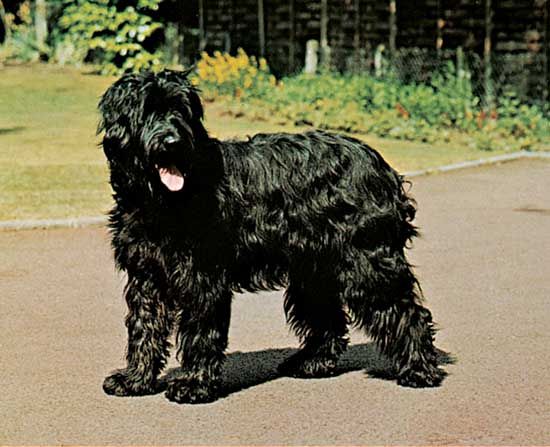
A sheepdog is generally defined as any breed of dog developed to herd sheep, though the term is sometimes used specifically to refer to the Border Collie.…
What is sheepdog?
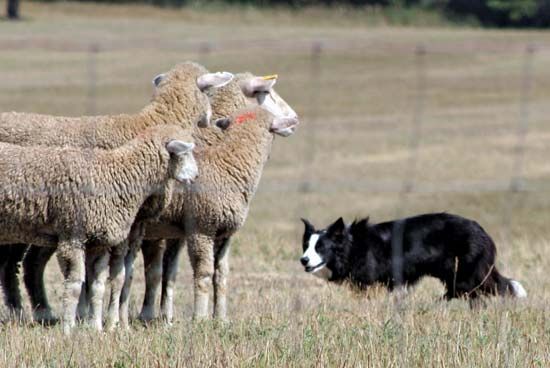
A sheepdog is generally defined as any breed of dog developed to herd sheep, though the term is sometimes used specifically to refer to the Border Collie. These animals are a subset of herding dogs, a group of intelligent, agile, and muscular breeds that have assisted humans with livestock since the Neolithic Period.123
Sheepdogs are highly responsive to human guidance, capable of following complex whistle commands and hand signals to move flocks or locate strays. While their primary historical purpose is agricultural, they are also versatile companions known for being excellent family pets and successful obedience competitors. Beyond their herding duties, many of these breeds are valued for their protective instincts and have served in roles such as military message carriers or guard dogs.23
Notable examples include the Old English Sheepdog, the Shetland Sheepdog, and the Belgian Sheepdog.21
How do herding dogs use hand signals and whistles to communicate?
Herding dogs are highly intelligent and agile animals that possess a remarkable ability to perceive and respond to subtle human cues. Their training allows them to interpret even the slightest hand signals and specific whistle commands to perform complex tasks, such as moving a flock of livestock or seeking out strays across varied terrain.2
This communication is essential for the dog to execute its work effectively, whether the dog is driving the flock by circling and barking or using a silent, hypnotic stare to direct the animals’ movement. Because these breeds have developed a very close relationship with humans, they are able to maintain focus on their handler’s instructions even at a distance, making them highly efficient partners in agricultural settings.2
What is the difference between a dog that herds by nipping and one that uses a ‘hypnotic stare’?
Herding dogs employ different strategies to manage livestock, primarily categorized by their level of intensity and physical interaction with the animals.
- Driving by Nipping: Some herding breeds manage flocks through active, physical engagement. These dogs drive the livestock by circling around them, barking to maintain control, and nipping at the animals’ heels to encourage movement.2
- The Hypnotic Stare: Other breeds, most notably the Border Collie, utilize a more subtle, psychological approach. These dogs confront the flock with a silent, intense gaze—often referred to as a “hypnotic stare”—which is highly effective at directing the movement of the animals without the need for physical contact or vocalization.2
Both methods are effective ways for these intelligent, agile dogs to fulfill their historical roles in agriculture, demonstrating the versatility found within the herding dog group.2
Why were some herding breeds, like the Belgian Sheepdog, used in military roles?
Herding breeds, such as the Belgian Sheepdog and the German Shepherd, were frequently utilized in military roles due to their inherent intelligence, agility, and strong working drive. These traits, which originally evolved to help them manage livestock, made them highly adaptable to the complex and demanding environments of military service.678
Specific reasons for their military utility include:
- Versatility and Trainability: Beyond herding, these breeds are noted for their ability to learn and execute complex tasks with precision. This makes them effective in specialized roles such as message carriers, ambulance dogs, and search and rescue operations.6978
- Protective Instincts: Many herding breeds possess a natural guarding instinct, which, when combined with their loyalty and courage, makes them excellent candidates for protection and police work.1078
- Physical Capability: Their strength, stamina, and dexterity allow them to perform under pressure in varied terrains, a necessity for military and law enforcement applications.6108
For example, the Belgian Sheepdog served as a message carrier and ambulance dog during World War I, while the Belgian Malinois is widely prized by modern militaries for its strength and intelligence.6108
Sources
- sheepdog — Merriam-Webster
- dog - Herding dogs — Encyclopædia Britannica
- herding dog — Encyclopædia Britannica
- sheepdog — Encyclopædia Britannica
- working dog — Encyclopædia Britannica
- Belgian sheepdog — Encyclopædia Britannica
- Belgian Malinois — Encyclopædia Britannica
- German Shepherd — Encyclopædia Britannica
- Sergeant Stubby — Encyclopædia Britannica
- What Is the Smartest Dog Breed? — Encyclopædia Britannica
Published on · 3 min read