Slipper Flower
The term "slipper flower" refers to the genus Calceolaria, which consists of over 300 species of flowering plants in the family Calceolariaceae. Native to…
What is Slipper flower?
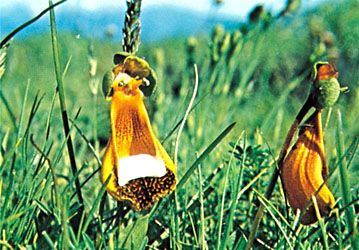
The term “slipper flower” refers to the genus Calceolaria, which consists of over 300 species of flowering plants in the family Calceolariaceae. Native to regions ranging from Mexico to South America, these plants are named for their distinctive, pouchlike flower shapes, which typically appear in shades of yellow, orange, red, or purple.1
In the florist trade, you may encounter the Herbeohybrida Group, often called pocketbook plants or florist’s slipperwort. These are hybrids cultivated in greenhouses for their showy blooms.1
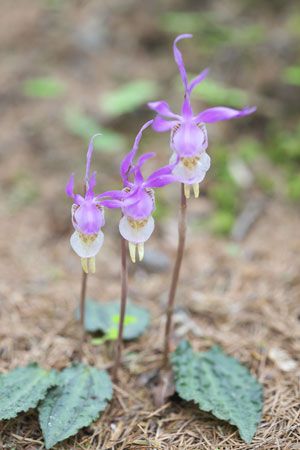
It is important to distinguish the slipper flower from the fairy slipper (Calypso bulbosa), which is a completely different plant. The fairy slipper is a terrestrial orchid native to North America and Eurasia that thrives in cool coniferous forests and bogs.2
What is the difference between Calceolaria and the fairy slipper orchid?
While both Calceolaria and the fairy slipper (Calypso bulbosa) are known for their pouchlike, slipper-shaped flowers, they are distinct plants belonging to different families and regions.
Key Differences
Feature
Calceolaria
Fairy Slipper (
Calypso bulbosa
)
Family
Orchidaceae
Native Range
Tropical Americas
North America and Eurasia
Growth Habit
Large genus of plants
Single-species genus; small perennial
Habitat
Tropical regions
Cool coniferous forests and bogs
Flower Structure
Highly irregular, 2-parted flowers
Single, fragrant, purplish-pink flower
Calceolaria, often called slipperwort, is a large genus of tropical plants characterized by showy, inflated flowers with a small upper lip and a large lower lip. In contrast, the fairy slipper is a terrestrial orchid that relies on specific mycorrhizal fungi to survive. It is easily identified by its single leaf and a unique flower featuring a pouchlike lip adorned with yellow hairs.23
How do hybrid plants like the pocketbook plant differ from wild species?
Hybrid plants, such as the pocketbook plant (Calceolaria × herbeohybrida), differ from wild species primarily through their genetic makeup and the intent behind their cultivation. While wild species evolve through natural selection, hybrids are often the result of human intervention designed to combine specific traits from different parents.51
Key Differences
- Genetic Purpose: Unlike wild populations, which maintain genetic diversity for survival, hybrid varieties like the pocketbook plant are bred to produce a specific F₁ generation. Breeders do not aim for a pure-breeding population but rather seek to capture “hybrid vigour,” or heterosis, which results in increased growth rates, greater uniformity, and showier flowers.65
- Cultivation vs. Nature: Many hybrids, including florist’s slipperwort, are specifically developed for commercial greenhouse environments. While natural hybridization occurs in the wild—often increasing genetic variety and aiding evolution—human-induced hybrids are often selected for aesthetic or agricultural traits that might not provide a survival advantage in the wild.61
- Reproduction: Breeders often use controlled pollination techniques, such as cytoplasmic male sterility, to ensure that the resulting seeds are consistent F₁ hybrids.6
What environmental conditions do Calceolaria plants need to grow?
Calceolaria plants, particularly the popular pocketbook plant (Calceolaria × herbeohybrida), are primarily cultivated in commercial greenhouses to manage their specific environmental needs.1
Because these plants are native to regions ranging from Mexico to South America, they generally thrive in conditions that mimic their natural habitats, which typically require:
- Temperature Control: They prefer cool, temperate conditions. Excessive heat can cause the plants to wilt or decline rapidly.
- Light Requirements: They require bright, indirect light. Direct, intense sunlight can scorch their foliage and delicate flowers.
- Humidity and Moisture: Consistent moisture is essential, though the soil should be well-draining to prevent root rot. They generally benefit from moderate humidity levels found in greenhouse environments.
- Soil: A high-quality, porous potting mix that retains moisture while allowing for adequate aeration is ideal for these flowering plants.1
Sources
- Slipper flower — Encyclopædia Britannica
- fairy slipper — Encyclopædia Britannica
- calceolaria — Merriam-Webster
- calypso — Merriam-Webster
- Plant breeding - Hybrid varieties — Encyclopædia Britannica
- hybrid — Encyclopædia Britannica
Published on · 3 min read