Sugar Maple
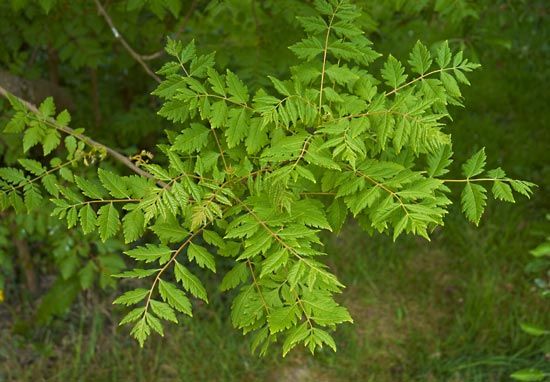
The sugar maple (Acer saccharum), also known as hard or rock maple, is highly valued for its dense, close-grained wood. Its durability and aesthetic…
What are some common uses for sugar maple wood in industry and craftsmanship?
The sugar maple (Acer saccharum), also known as hard or rock maple, is highly valued for its dense, close-grained wood. Its durability and aesthetic qualities make it a staple in various industries and crafts.1
Common uses for sugar maple wood include:
- Furniture Manufacture: Due to its hardness and stability, it is a preferred material for high-quality cabinetwork and furniture.12
- Flooring: The wood’s resistance to wear makes it an excellent choice for durable flooring applications.2
- Specialty Woodworking: The tree can produce unique grain patterns, such as bird’s-eye maple (characterized by small, eye-like dots), as well as curly and fiddleback maple (which feature wavy or rippled grains). These varieties are highly sought after by craftspeople for decorative veneers and fine woodworking projects.2
Beyond its utility as lumber, the sugar maple is commercially significant as the primary source of maple syrup and maple sugar.12

What is the scientific name of the sugar maple and what family does it belong to?
The scientific name of the sugar maple is Acer saccharum. It belongs to the soapberry family, known botanically as Sapindaceae.23
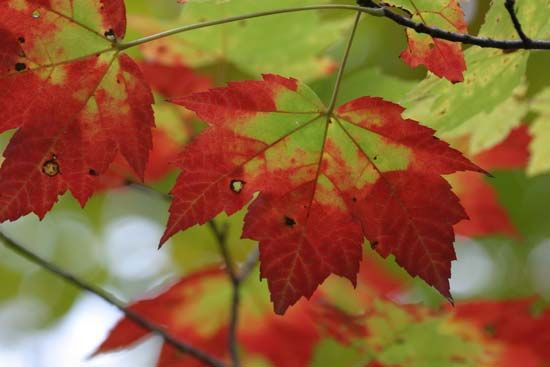
How tall can sugar maple trees grow and what is their typical lifespan?
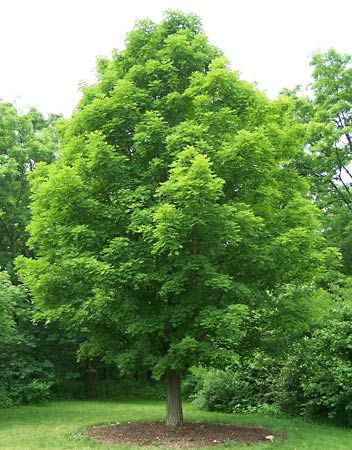
The sugar maple (Acer saccharum) is a large tree that can reach heights of up to 40 metres (130 feet).2
Regarding their lifespan, the provided information does not specify a typical age range for the sugar maple.
How do sugar maple trees compare to other maple species in terms of syrup production?
The sugar maple (Acer saccharum) and the black maple (Acer nigrum) are the primary species used for maple syrup production, as they provide the most desirable flavor profile. While some botanists consider the black maple a subspecies of the sugar maple, the sugar maple remains the more abundant and productive choice, as the black maple yields less sap.2
Other species are less suitable for commercial production:
- Boxelder maple (Acer negundo): While it produces sap, it has a lower sugar content than the sugar maple and a distinct, less favored taste.2
- Other maples and birches: These trees can produce usable sap, but their flavor is generally considered less inviting than that of the sugar maple or black maple.2
To produce syrup, sap is collected from the sapwood during the dormant season when freezing and thawing cycles occur. Regardless of the species, the process requires significant concentration, as it takes 115 to 190 litres (30 to 50 gallons) of sap to yield just 4 litres (1 gallon) of finished syrup.42
Sources
- sugar maple — Merriam-Webster
- sugar maple — Encyclopædia Britannica
- Sapindales — Encyclopædia Britannica
- maple syrup — Encyclopædia Britannica
Published on · 2 min read