Goldenrain Tree
The goldenrain tree (Koelreuteria paniculata) is a flowering tree belonging to the soapberry family (Sapindaceae). Native to East Asia, it is widely…
What is goldenrain tree?
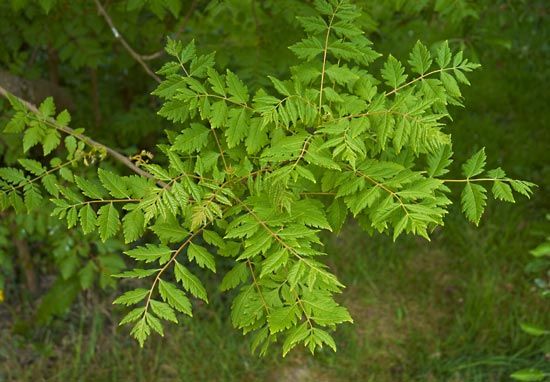
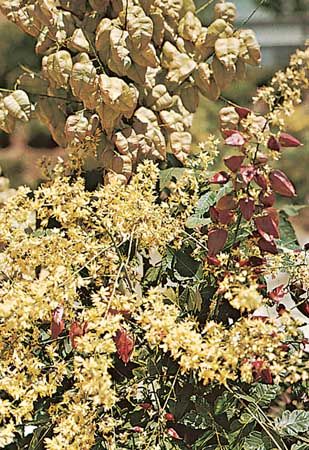
The goldenrain tree (Koelreuteria paniculata) is a flowering tree belonging to the soapberry family (Sapindaceae). Native to East Asia, it is widely cultivated in temperate regions for its attractive foliage and distinctive, bladderlike seedpods.1
Typically reaching a height of about 9 metres (30 feet), the tree features a rounded crown and produces showy, terminal clusters of yellow, four-petaled flowers. Following the flowering period, the tree develops papery, greenish fruit pods that contain black seeds.12
What other plants belong to the soapberry family?
The soapberry family, Sapindaceae, is a large and diverse group comprising approximately 145 genera and 1,925 species of woody plants, including trees, shrubs, lianas, and vines. Many members are economically significant for their timber, edible fruits, or ornamental value.345
Notable plants within the family include:
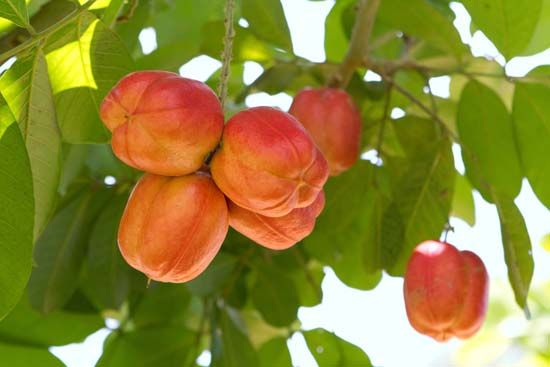
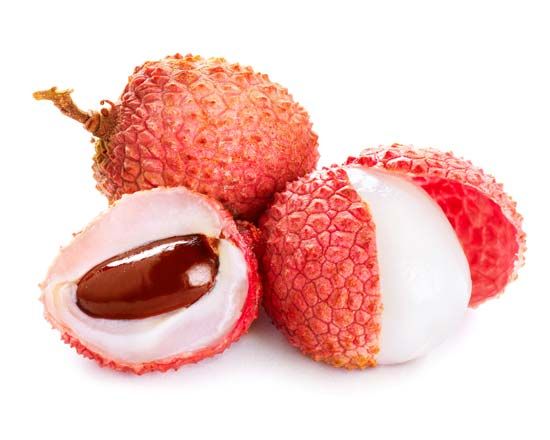
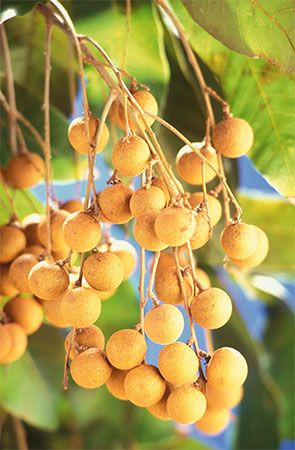
- Edible Fruits: Lychee, longan, rambutan, ackee, and Spanish lime.354
- Maples: The genus Acer, which includes the sugar maple, red maple, and silver maple, is now classified within Sapindaceae.34
- Ornamentals and Shrubs: The goldenrain tree, balloon vine, and hopbushballoon-vine), and hopbush.354
- Other Notable Genera: Horse chestnut and buckeye (Aesculus), guarana, and the soapberry genus (Sapindus), which contains saponins used for cleaning.3654
How do the bladderlike seedpods help the tree reproduce?
The bladderlike seedpods of the goldenrain tree (Koelreuteria paniculata) serve as a specialized adaptation for seed dispersal. While the provided search results do not explicitly detail the specific mechanics for this species, they note that similar inflated, indehiscent (non-opening) pods in other plants function as “balloons”.89
These structures allow for limited air travel, enabling the seeds to be carried by wind currents away from the parent tree. Once these pods land on the ground, they can further function as windblown “tumbleweeds,” rolling across the terrain to scatter seeds over a wider area. This movement is crucial for the survival of the species, as it helps seeds land at a distance from the parent tree, where they are less likely to be destroyed by herbivores, bacteria, or fungi that often congregate near the source.8910
What are some other trees native to East Asia?
East Asia, particularly China and Japan, possesses a remarkably diverse range of native tree species due to the region’s varied climate and limited impact from Pleistocene glaciations.11
Temperate and Deciduous Trees
The primeval forests of East Asia historically included a wide variety of temperate genera. Common native trees include:
- Maples: The genus Acer is highly concentrated in China, with species such as the Japanese maple (A. palmatum), Amur maple (A. ginnala), and paperbark maple (A. griseum) being notable examples.1112
- Hardwoods: Forests are home to various species of oak, elm, ash, walnut, linden, chestnut, and hornbeam.1113
- Conifers: The dawn redwood (Metasequoia glyptostroboides), an ancient conifer once thought to be extinct, is native to the moist valleys of central China.1113
Tropical and Subtropical Trees
In the warmer regions of southern China, Taiwan, and southern Japan, the flora shifts to include broad-leaved evergreens and tropical species:
- Evergreens: Laurels and banyans are characteristic of these southern landscapes.13
- Other Species: The region also hosts the camphor tree, sweet gum, tulip tree, Spanish cedar, and members of the tea (Theaceae) and mahogany (Meliaceae) families.1113
Notable Ornamentals
The ginkgo (Ginkgo biloba), a “living fossil” native to China, has been cultivated for centuries in temple gardens for its resilience and unique fan-shaped leaves. Additionally, the tree peony (Paeonia moutan) is highly regarded in Chinese culture as the “king of flowers”.1415
Sources
- goldenrain tree — Encyclopædia Britannica
- golden rain tree — Merriam-Webster
- list of plants in the family Sapindaceae — Encyclopædia Britannica
- soapberry — Encyclopædia Britannica
- Sapindaceae — Merriam-Webster
- Sapindales - Sapindaceae — Encyclopædia Britannica
- Sapindaceae — Encyclopædia Britannica
- "Flying" trees — Encyclopædia Britannica
- Seed - Dispersal by wind — Encyclopædia Britannica
- Seed dispersal - Anemochory: wind dispersal — Encyclopædia Britannica
- Asia - East Asia — Encyclopædia Britannica
- Did you know? — Merriam-Webster
- East Asia - Plant life — Encyclopædia Britannica
- Floral decoration - China and Korea — Encyclopædia Britannica
- Japanese maple — Merriam-Webster
- maple — Encyclopædia Britannica
Published on · 3 min read