Sun Bear
While most bear species are omnivorous, their diets vary significantly based on specialization and environment. Unlike the entirely carnivorous polar bear or…
How does the diet of sun bears differ from other bear species?
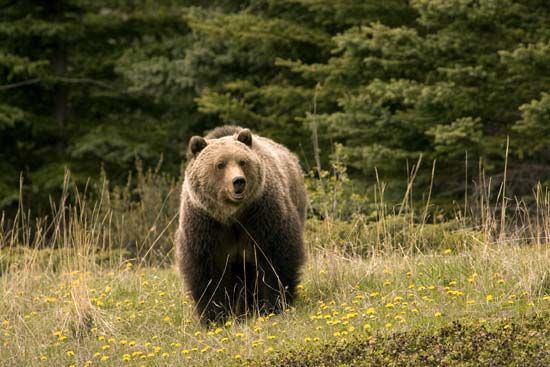
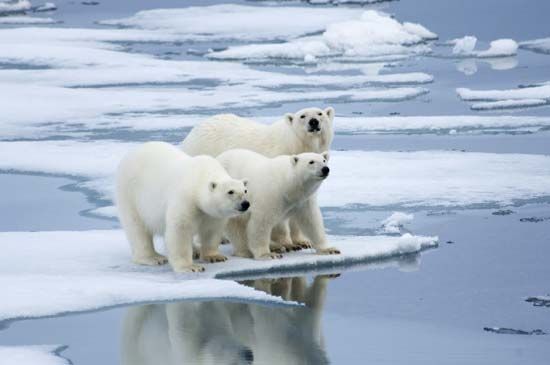
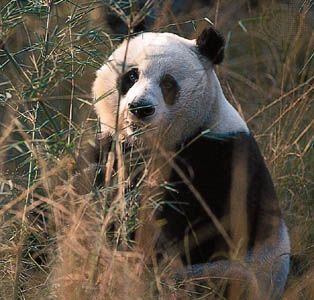
While most bear species are omnivorous, their diets vary significantly based on specialization and environment. Unlike the entirely carnivorous polar bear or the strictly herbivorous giant panda, the sun bear maintains a broad omnivorous diet, though it is particularly well-adapted for foraging in Southeast Asian forests.123
The sun bear is often called the “honey bear” due to its strong preference for honey. Its physical anatomy, specifically its large forepaws and long, curved claws, allows it to excel at tearing into insect nests and colonies, such as those of bees and [termites]. In comparison, the Asian sloth bear has evolved specialized funnel-like lips to suck up termites and larvae. Beyond insects and honey, the sun bear’s diet includes fruit and small [vertebrates].31
While other bears like grizzlies are known for specialized fishing during salmon runs, the sun bear’s foraging is primarily focused on the resources available within its forest habitat.13
Where are sun bears typically found in the wild?
Sun bears (Helarctos malayanus) are native to the forests of Southeast Asia. They are widely distributed across this region, inhabiting both mainland and insular areas.415
These bears are highly adapted to their tropical forest environments, where they spend much of their time climbing trees. While their range encompasses various parts of Southeast Asia, their populations are increasingly threatened by habitat loss and human activity, which have pushed them into more remote areas in some parts of their historical range.45
How are sun bears affected by habitat loss and human activities?
Sun bears are currently classified as a vulnerable species by the International Union for Conservation of Nature, primarily due to the following human-driven pressures:
- Habitat Loss: The destruction and reduction of their native forests have significantly diminished the areas available for them to live and forage, forcing them into smaller, fragmented territories.15
- Hunting and Poaching: Sun bears are frequently targeted by poachers who seek their gallbladders and other body parts for use in traditional medicine and wildlife markets.15
- Human-Wildlife Conflict: Because sun bears may raid agricultural crops or attack livestock, they are often viewed as pests and killed in retaliation.15
- Illegal Trade: Young sun bears are sometimes captured from the wild to be sold into the illegal pet trade.15
What are the unique physical characteristics of sun bears?
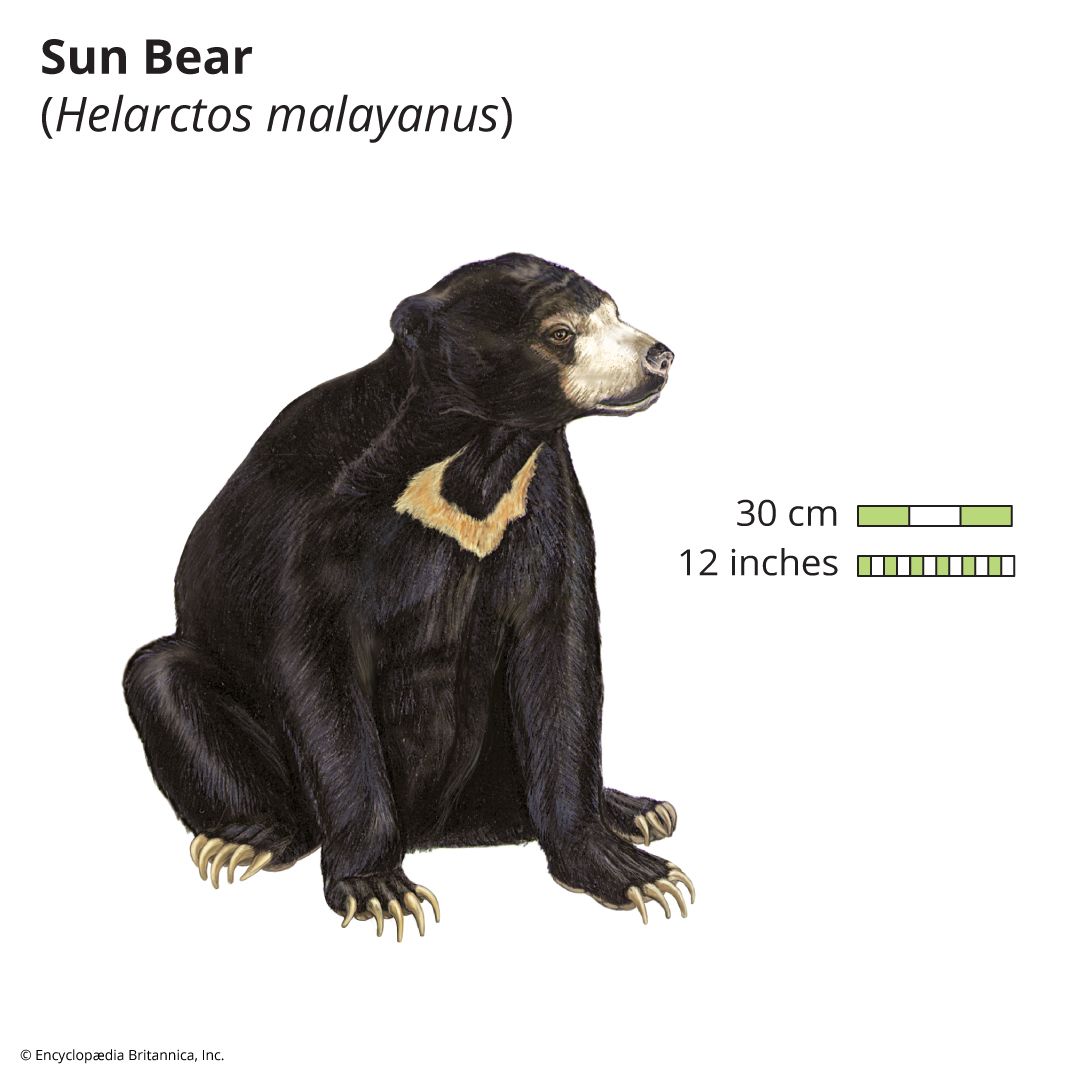
The sun bear (Helarctos malayanus) is the smallest bear species in the world, typically weighing between 27 and 65 kg (59–143 pounds) and measuring 1 to 1.2 metres (3.3–4 feet) in length.16
Key physical characteristics include:
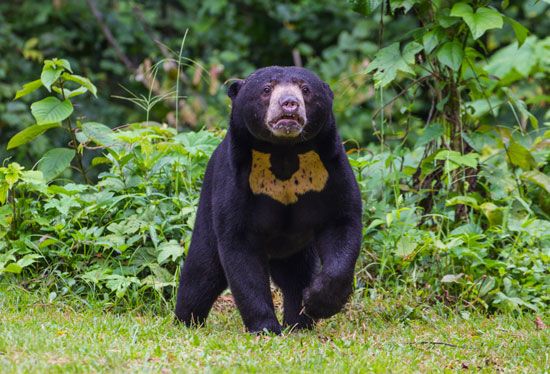
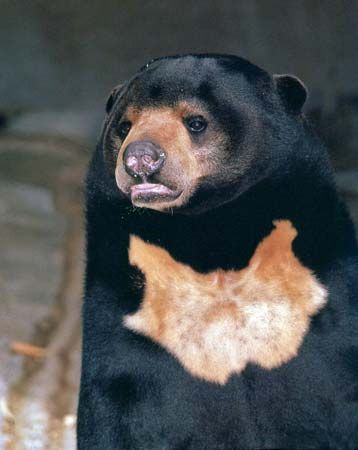
- Coat and Markings: They possess a short, coarse, black fur that contrasts with a lighter-coloured muzzle and feet. A distinctive orange-yellow crescent-shaped mark on the chest is a hallmark of the species, which legend suggests represents the rising sun.17
- Forepaws and Claws: Their large forepaws are equipped with long, curved claws, which are specialized tools for digging and tearing into insect nests, such as those of bees and termites.1
- Tail: Like other bears, they have a very short tail, measuring approximately 5 cm (2 inches).1
These physical traits make them highly adapted for their life as agile, tree-climbing omnivores in Southeast Asian forests.12
Sources
- sun bear — Encyclopædia Britannica
- bear — Encyclopædia Britannica
- bear - Natural history — Encyclopædia Britannica
- Southeast Asia - Animal life — Encyclopædia Britannica
- bear - Conservation status — Encyclopædia Britannica
- sun bear — Merriam-Webster
- 9 of the World’s Deadliest Mammals - Bears (Family Ursidae) — Encyclopædia Britannica
Published on · 3 min read