Términos Lagoon
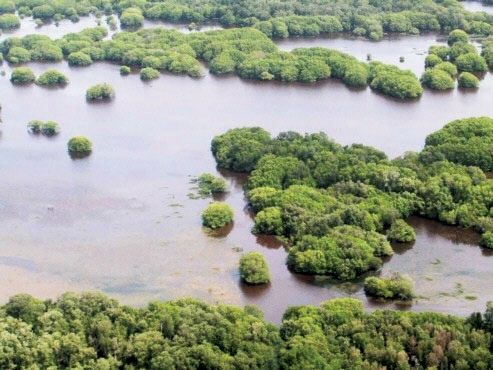
Términos Lagoon is a large coastal lagoon located in the southwestern state of Campeche, Mexico, situated at the base of the Yucatán Peninsula.
What is Términos Lagoon?
Términos Lagoon is a large coastal lagoon located in the southwestern state of Campeche, Mexico, situated at the base of the Yucatán Peninsula.1
As an inlet of the Bay of Campeche in the Gulf of Mexico, the lagoon spans approximately 45 miles (72 km) from east to west and 12 to 15 miles (19 to 24 km) from north to south. It is geographically defined by Carmen Island, a long, narrow landmass that stretches across the lagoon’s entrance, effectively enclosing it. The lagoon is primarily fed by the Palizada and Candelaria rivers. Economically and ecologically, the area is significant for its populations of shrimp, fish, and turtles, while crocodiles are found in the smaller adjacent lagoons.1
What role do mangroves play in the lagoon’s ecosystem?
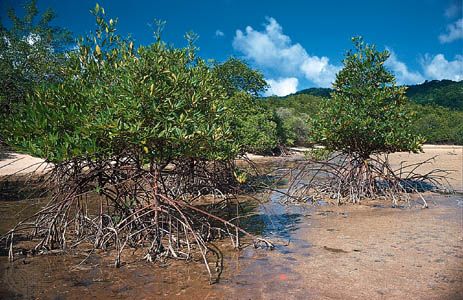
Mangroves are essential to the health of coastal lagoons like Términos, serving as a vital buffer between marine and terrestrial environments. Their role in the ecosystem is multifaceted:23
- Coastal Protection: Mangroves act as a natural defense against storm surges, flooding, and coastal erosion. Their complex root systems stabilize shorelines by trapping sediments, which reduces the impact of damaging winds and waves.23
- Water Quality: By trapping sediments and pollutants within their roots, mangroves help maintain cleaner water, which is crucial for the health of nearby coral reefs and seagrass beds.23
- Biodiversity and Nurseries: These forests function as critical nursery habitats for various fish, crabs, shrimp, and shellfish. They provide safe breeding, spawning, and hatching grounds that support local fisheries.23
- Ecological Support: As keystone species, they support a wide array of biodiversity, including providing nesting sites for many birds2.3
We could dive deeper into the specific threats facing mangrove forests or explore how these ecosystems help mitigate climate change.
How does Carmen Island protect the lagoon from the Gulf of Mexico?
Carmen Island acts as a natural barrier that protects Términos Lagoon by stretching across its entrance, effectively enclosing the water body from the open Gulf of Mexico.1
By serving as a barrier island, Carmen Island creates a sheltered environment behind it. While the open ocean is subject to high-energy waves and strong currents, the island dissipates this wave energy, resulting in much quieter conditions within the lagoon. This physical separation allows for the accumulation of fine sediments—which are often transported by rivers like the Palizada and Candelaria—rather than the coarser materials found in high-energy coastal zones. Consequently, the island maintains the lagoon’s distinct, protected ecosystem, which supports specialized habitats for shrimp, fish, and turtles.15
What are the main threats to the biodiversity of this region?
The biodiversity of the Términos Lagoon region and surrounding coastal ecosystems faces several significant threats, primarily driven by human activity and environmental degradation:
- Water Pollution: The introduction of sewage and agricultural fertilizers into coastal waters promotes excessive algae growth. This leads to the formation of hypoxic “dead zones,” where oxygen levels drop so low that most aquatic life cannot survive.17
- Industrial and Chemical Contamination: Activities such as mining, petroleum production, and the improper disposal of industrial waste can introduce toxic chemicals into the water. Additionally, oil spills pose a severe, immediate threat to marine species.17
- Plastic Waste: The accumulation of microplastics and larger plastic debris in marine environments harms wildlife through ingestion and physical entanglement, with pollutants potentially concentrating in the food chain through biomagnification.17
- Habitat Degradation: Ecosystems like tropical rainforests and mangrove swamps are increasingly degraded by farming, logging, ranching, and urban development, which destroy critical breeding and nesting grounds for diverse species.8
We could dive deeper into the specific conservation efforts currently in place to protect these vulnerable coastal habitats.
Sources
- Términos Lagoon — Encyclopædia Britannica
- mangrove: Top Questions — Encyclopædia Britannica
- Amazing Mangroves — Encyclopædia Britannica
- Mangroves Matter - Learn more — Encyclopædia Britannica
- lagoon - Waves , tides, and surf — Encyclopædia Britannica
- lagoon - Barrier bars and sediment sources — Encyclopædia Britannica
- water pollution: Top Questions — Encyclopædia Britannica
- Mexico - Plant and animal life — Encyclopædia Britannica
- water pollution - Effects of water pollution on groundwater and oceans — Encyclopædia Britannica
Published on · 3 min read