Tit-babbler
A tit-babbler is any of approximately 35 to 40 species of small, short-billed birds belonging to the babbler family, Timaliidae. While they resemble titmice…
What is Tit-babbler?
A tit-babbler is any of approximately 35 to 40 species of small, short-billed birds belonging to the babbler family, Timaliidae. While they resemble titmice in both appearance and behavior, they are generally larger and possess proportionately shorter tails.1
These birds are typically 10 to 18 cm (4 to 7 inches) long and feature chunky bodies with fluffy plumage, often distinguished by hairlike feathers on their backs. Their coloration is generally muted, consisting of black, gray, reddish, or brown tones, often with yellow or white undersides. They are primarily found in scrub and wetland habitats across eastern Asia and the Philippines, with one genus, Neomixis, located in Madagascar. While most species are not known for their singing, the red-capped babbler (Timalia pileata) is noted for its pleasant whistle. Some species within the genus Stachyris are also referred to as tree babblers.1
What are the main characteristics of the babbler family?
The babbler family, known as Timaliidae, consists of a diverse group of passerine birds. While the family includes a wide variety of forms that may not all be closely related, they share several key physical and behavioral characteristics.1
Physical Characteristics
- Wings and Bill: Typical representatives are characterized by short, rounded wings with a large outer primary. Their bills often resemble those of a thrush, though variations exist, such as the long, curved bills of the scimitar-babbler used for foraging in ground litter.13
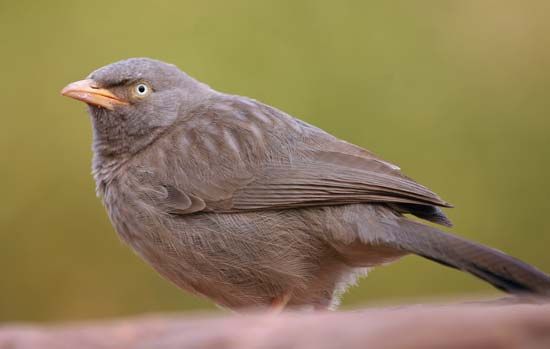
- Plumage and Size: Many species are described as drab, often featuring brown, black, or gray plumage. Some, like the tit-babbler, are noted for their chunky bodies and fluffy feathers.453
- Development: A notable trait of the family is that their young are unspotted.1
Behavior and Habitat
Babblers are generally found in scrub, wetlands, and forest undergrowth, where many species exhibit a skulking behavior. While some are known for pleasant whistles or loud calls, others are considered poor singers.45
How do tit-babblers differ from titmice?
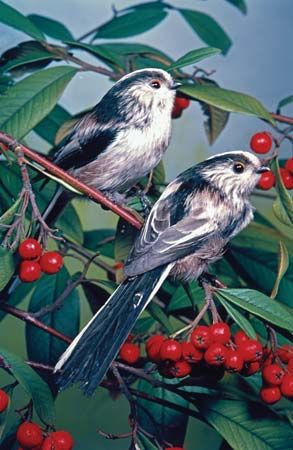
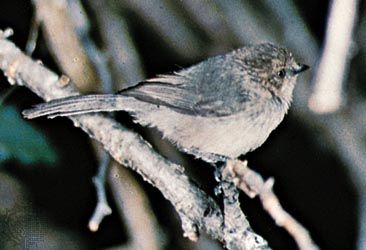
While tit-babblers and titmice share some similarities in appearance and behavior, they are distinct groups of birds. Tit-babblers belong to the babbler family (Timaliidae), whereas titmice are typically associated with the family Paridae or the family Aegithalidae (which includes long-tailed tits and bushtits).13
The primary differences include:
- Size: Tit-babblers are generally larger than titmice, typically measuring 10 to 18 cm (4 to 7 inches) in length.1
- Tail Length: Tit-babblers possess proportionately shorter tails compared to the long, narrow tails often found in titmice and bushtits.13
- Physical Features: Tit-babblers are characterized by a chunky build, fluffy plumage, and distinct hairlike feathers on their backs. In contrast, titmice and their relatives are often described as having tiny bills and silky, plain plumage.13
- Habitat: Tit-babblers are primarily found in scrub and wetland environments across eastern Asia and the Philippines, while the titmice/Aegithalidae groups are often arboreal insect eaters.13
What kind of environments do tit-babblers prefer?
Tit-babblers primarily inhabit scrub and wetland environments. These birds are found across a geographic range extending from eastern Asia to the Philippines. Additionally, one genus, Neomixis, is located in Madagascar, though its exact relationship to other members of the babbler family remains uncertain.1
Sources
- Tit-babbler — Encyclopædia Britannica
- tit babbler — Merriam-Webster
- Timaliidae — Merriam-Webster
- Jungle babbler — Encyclopædia Britannica
- Scimitar-babbler — Encyclopædia Britannica
- Aegithalidae — Encyclopædia Britannica
Published on · 2 min read