Tree Shrew
Tree shrews (order Scandentia) are small mammals that, despite their name, are neither rodents nor insectivores. They possess several distinct physical…
What are the unique physical characteristics of tree shrews?
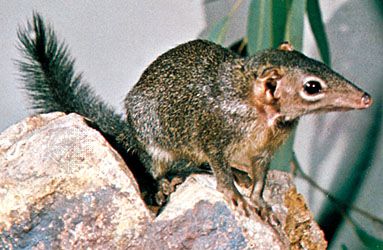
Tree shrews (order Scandentia) are small mammals that, despite their name, are neither rodents nor insectivores. They possess several distinct physical traits:
- Body Structure: They have slender bodies with long, thin limbs and sharp, curved claws. Their fur is dense and ranges in color from olive to reddish brown, often with black speckling, while their undersides vary from white to orange-red.
- Head and Senses: They are characterized by large eyes, conspicuous ears, and a long muzzle. They possess acute senses of smell and hearing, complemented by good vision.
- Tail: Depending on the species, the tail can be shorter or longer than the body. While most have furry tails, the pen-tailed tree shrew features a hairless tail ending in a featherlike tuft.
- Feeding Behavior: Unlike insectivores, tree shrews are capable of manipulating food with their hands while eating.
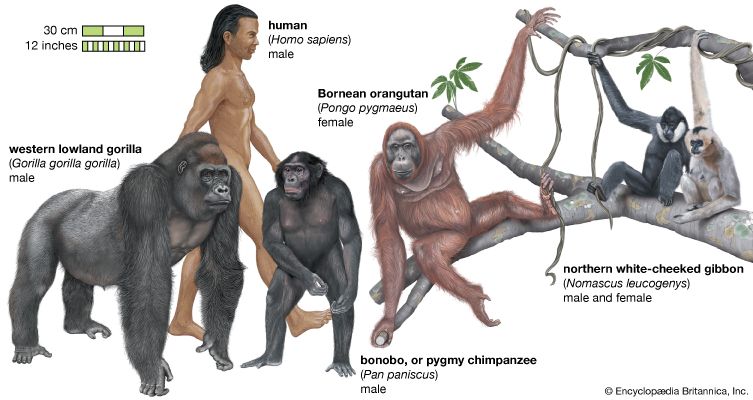
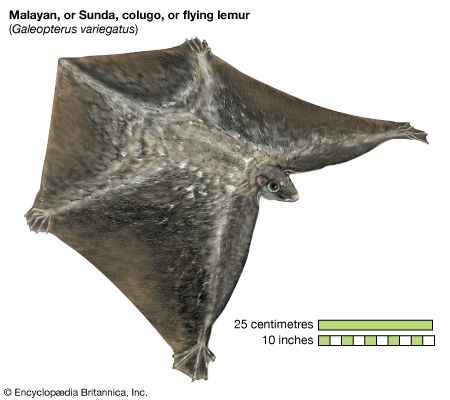
These animals are most closely related to primates, colugos, and bats.
How are tree shrews related to primates and other mammals?
Tree shrews (order Scandentia) are unique mammals that constitute their own distinct order, separate from rodents and insectivores. Their evolutionary placement has historically been a subject of debate, with some earlier classifications even grouping them with primitive primates.12
Modern scientific understanding identifies tree shrews as being most closely related to three other mammalian orders:
The relationship between tree shrews and primates is particularly notable in the context of evolutionary history. During the early Tertiary Period, primates are thought to have evolved from animals that shared physical similarities with modern tree shrews and squirrels. While tree shrews are not direct ancestors of primates, they serve as a significant point of comparison for understanding the early development of mammalian traits, such as the transition to arboreal lifestyles and the evolution of complex sensory and cognitive features.3
What is the typical habitat and geographical distribution of tree shrews?
Tree shrews are native to Southeast Asia, where they inhabit a variety of environments including rainforests and plantations. Their geographical range spans from lowlands up to elevations exceeding 3,000 meters (10,000 feet).1
Regarding their habitat preferences, tree shrews exhibit diverse behaviors:
- Vertical Range: They occupy niches ranging from the forest floor to the tree crowns.1
- Nesting: They utilize various shelters, including hollow tree trunks, rock crevices, and cavities found in the ground.1
- Activity Patterns: While most species are diurnal, the pen-tailed tree shrew is nocturnal.1
- Locomotion: Some species are primarily terrestrial, scurrying across the forest floor, while others are mainly arboreal, demonstrating agility in the trees.1
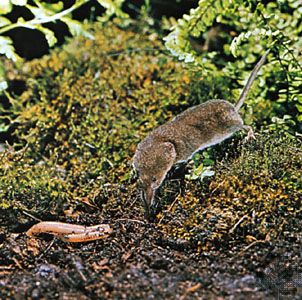
It is important to note that tree shrews are distinct from “true” shrews, which have a much broader global distribution across North America, South America, Africa, and Eurasia, and occupy diverse biomes such as deserts, tundras, and grasslands.6
How have tree shrews evolved over time, and what are their closest extinct relatives?
Tree shrews (order Scandentia) represent a unique evolutionary lineage that has remained distinct from other mammalian groups. While they are not direct ancestors of any other living order, their evolutionary history is significant for understanding the development of early mammals. The fossil record for the family Tupaiidae dates back to the Middle Eocene Epoch (49 to 41.3 million years ago) in Pakistan, marking the earliest known evidence of their lineage.1
Regarding their evolutionary relationships, tree shrews are most closely related to primates, colugos, and bats. Historically, some scientists grouped tree shrews with primitive primates due to shared physical characteristics, though modern classification confirms they constitute their own separate order. Among the five genera of living tree shrews, only the genus Tupaia is represented in the fossil record, which limits our current understanding of their specific extinct relatives.1
It is important to distinguish these animals from “true” shrews, which belong to the order Soricomorpha and have a completely different evolutionary history, appearing in the fossil record during the Miocene Epoch.2
Sources
- tree shrew — Encyclopædia Britannica
- elephant shrew — Encyclopædia Britannica
- tree shrew — Merriam-Webster
- Tertiary Period - Primates — Encyclopædia Britannica
- tetraodontiform - Critical appraisal — Encyclopædia Britannica
- shrew - Natural history — Encyclopædia Britannica
- white-toothed shrew — Encyclopædia Britannica
Published on · 3 min read