Waxplant
Waxplants, belonging to the genus Hoya, are primarily native to tropical regions across Asia and parts of Australia. These perennial evergreen plants…
In what types of environments do waxplants typically grow?
Waxplants, belonging to the genus Hoya, are primarily native to tropical regions across Asia and parts of Australia. These perennial evergreen plants typically grow as vines or twining shrubs within these warm climates.12
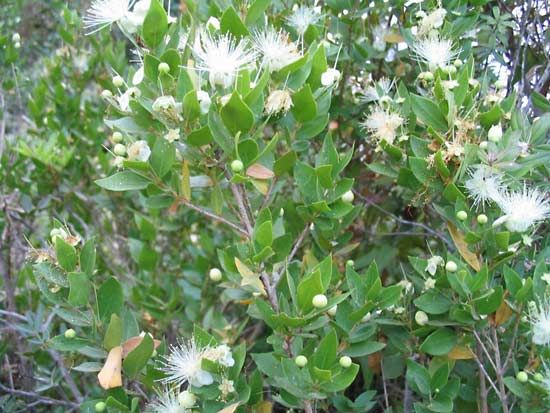
In their natural habitats, many species are epiphytic, meaning they grow upon other plants for support, while others are known to grow directly on rocks. Due to their adaptability, several species are also widely cultivated as indoor greenhouse or window plants. It is important to note that the term “waxplant” is sometimes applied to unrelated species, such as the wax begonia or the Geraldton waxplant, which may thrive in different environmental conditions.1
Are there any traditional or medicinal uses for waxplants in different cultures?
Sorry, the Britannica knowledge base does not contain information regarding traditional or medicinal uses for waxplants (Hoya). The available records focus on their botanical classification, physical characteristics, and their popularity as ornamental greenhouse or house plants.123
What are waxplants and which plant family do they belong to?
A waxplant refers to any of the more than 200 species of perennial plants belonging to the genus Hoya. These plants are members of the dogbane family, Apocynaceae.1
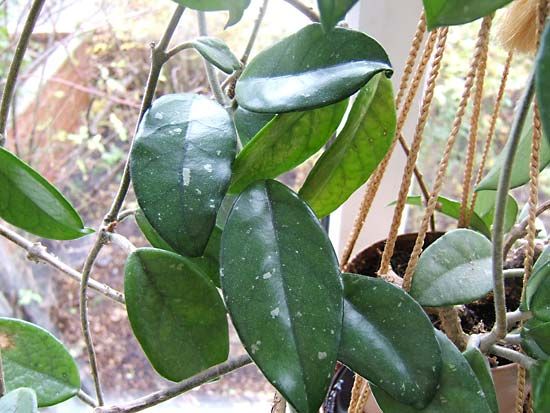
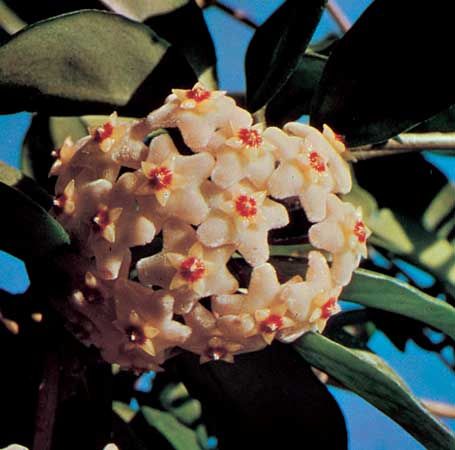
Physically, waxplants are evergreen vines or twining shrubs that are native to tropical Asia and parts of Australia. They are often characterized by their simple, leathery leaves and showy clusters of small, waxy, star-shaped flowers. Because of their attractive appearance, many species are popular as greenhouse or window plants. While some species are epiphytic, others are known to grow directly on rocks.1
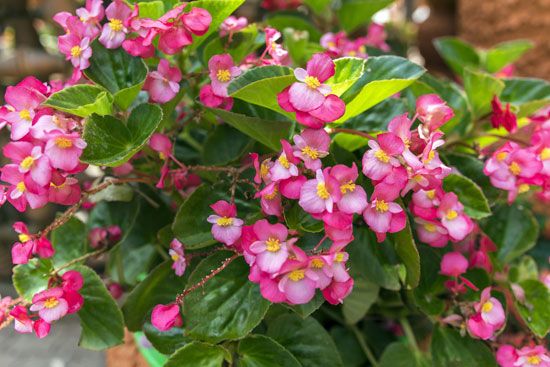
It is important to note that the name “waxplant” is sometimes used for unrelated species, such as the wax begonia or the Geraldton waxplant, which belongs to the myrtle family (Myrtaceae).1
How have waxplants been used in art and design throughout history?
The provided search results do not contain information regarding the use of waxplants (Hoya) in art and design throughout history. The available records focus on their botanical classification, physical characteristics, and their popularity as ornamental greenhouse or house plants.123
Sources
- Waxplant — Encyclopædia Britannica
- hoya — Merriam-Webster
- wax plant — Merriam-Webster
- Apocynaceae — Merriam-Webster
Published on · 2 min read