Why Are Black Cats Unlucky?
The belief that black cats are unlucky is a superstition rather than a factual reality. This association primarily developed in Europe between the 14th and…
Why are black cats unlucky?
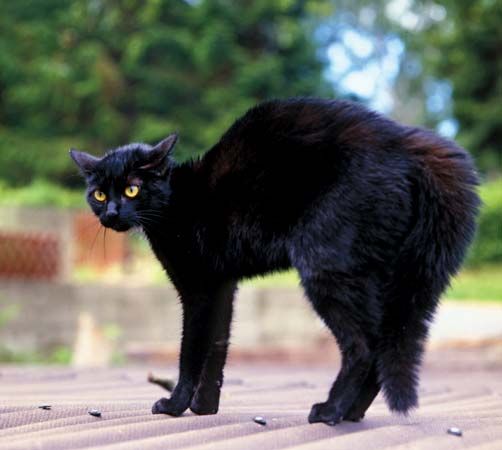
The belief that black cats are unlucky is a superstition rather than a factual reality. This association primarily developed in Europe between the 14th and 18th centuries, when black cats were frequently linked to witchcraft and witch hunts.1
Within Western demonology, black cats were often viewed as familiars—low-ranking demons allegedly gifted to witches by the devil. Consequently, crossing paths with a black cat became a cultural harbinger of bad luck, similar to other superstitions like Friday the 13th.1
It is important to note that these negative associations are not universal. In Japan, for instance, black cats are considered an omen of good fortune. Furthermore, there is no scientific evidence to support the idea that these animals are anything other than loving and deserving pets.1
What is a witch’s familiar?
In Western demonology, a familiar is a small animal or imp believed to serve as an attendant to a witch. These entities were thought to be low-ranking demons gifted to a witch by the devil or inherited from another practitioner.23
Key characteristics of the familiar include:
- Form: Familiars were believed to assume various animal shapes, such as dogs, toads, insects, or black cats, though they were sometimes described as grotesque, fantastical creatures.23
- Function: They served to guard, attend, or assist the witch in her activities. In some traditions, the life of the human was considered bound to that of their familiar, meaning harm to one would result in harm to the other.34
- Feeding: It was commonly believed that familiars subsisted by sucking blood from a witch’s body, often from specific protuberances like moles or warts. During the European witch trials of the 15th–17th centuries, investigators searched for these “teats” as evidence of a pact with the devil.2
Why are some cultures superstitious about black cats?
Superstitions regarding black cats vary significantly across cultures, often rooted in historical folklore rather than objective reality. In many Western societies, the belief that black cats are unlucky originated in medieval Europe. During the 14th to 18th centuries, these animals were frequently associated with witchcraft and witch hunts, as they were often depicted in demonology as familiars—low-ranking demons serving the devil.11
This negative reputation traveled to North America with European colonists, cementing the idea that a black cat crossing one’s path is a harbinger of bad luck. However, these fears are not universal. In ancient Egypt, cats were considered sacred to the goddess Bastet, and in cultures such as Japan and Scotland, black cats are often viewed as symbols of good fortune and prosperity. There is no scientific evidence to suggest that black cats are anything other than loving and deserving pets.91
What are other common superstitions involving animals?
Throughout history, various cultures have developed superstitions regarding animals, often attributing symbolic meaning to their behavior or appearance.
Birds and Omens
- Ravens: Long viewed as symbols of dark prophecy, ravens have been associated with death, pestilence, and disease across many cultures. Despite this, their intelligence and fearless nature have also earned them a place in noble heraldry and mythology.10
- Owls: These birds hold a dual reputation. While the little owl is famously associated with Athena as a symbol of wisdom and intelligence, many species have been feared as birds of ill omen. Their nocturnal habits, silent flight, and haunting calls have historically linked them to the occult, the otherworldly, and even disgrace.1112
Seasonal Folklore
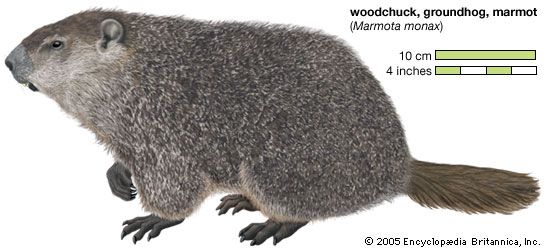
- Groundhog Day: This tradition stems from medieval European beliefs that hibernating animals, such as badgers or bears, would emerge on February 2. If the weather was sunny and the animal saw its shadow, it was thought to signal six more weeks of winter; a cloudy day suggested an early spring. In the United States, the groundhog was eventually substituted for the badger.13
Sources
- Why are black cats unlucky? — Encyclopædia Britannica
- familiar — Encyclopædia Britannica
- Witchcraft - Witchcraft as harm — Encyclopædia Britannica
- Animism - Particularism — Encyclopædia Britannica
- early modern witch trials - Social impact — Encyclopædia Britannica
- early modern witch trials - Decline — Encyclopædia Britannica
- myth - The alter ego , or life index — Encyclopædia Britannica
- familiar — Merriam-Webster
- Halloween - Cats and bats — Encyclopædia Britannica
- Groundhog Day: Top Questions — Encyclopædia Britannica
- Raven — Encyclopædia Britannica
- 12 Pairs of Commonly Confused Animal Words | Crow/Raven — Merriam-Webster
- Owl — Encyclopædia Britannica
- 16 Questions About Pets Answered - What kinds of household pets are common around the world? — Encyclopædia Britannica
- Nature worship - Worship of animals — Encyclopædia Britannica
- Little owl — Encyclopædia Britannica
Published on · 3 min read