Cats as Pets
Cats have long been popular as pets due to their clean, quiet nature and affectionate personalities. While they are often perceived as aloof compared to…
What is cats as pets?
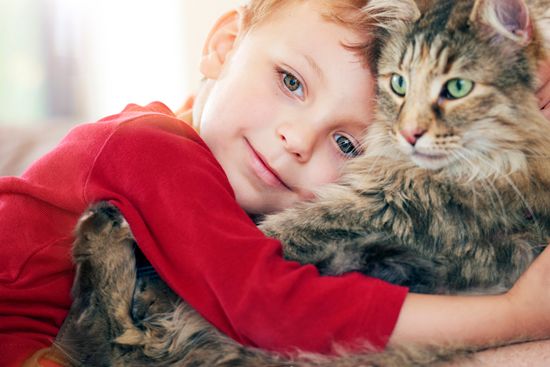
Cats have long been popular as pets due to their clean, quiet nature and affectionate personalities. While they are often perceived as aloof compared to dogs, they can form strong emotional bonds with their owners, which may provide health benefits such as reduced loneliness, anxiety, and depression.12
Understanding Cat Ownership
It is a myth that cats require little care; they are a significant commitment in time, attention, and financial resources, including costs for food, veterinary care, and vaccinations. Because cats are inquisitive, they may scratch furniture or break objects, and they require a safe environment free from household toxins.13
Care and Biology
- Diet: As carnivores, cats require a meat-based diet high in protein.4
- Maintenance: Regular dental care, nail trimming, and grooming are essential for their long-term health.5
- Behavior: Cats are territorial and creatures of habit. They communicate through various behaviors, including purring, which is produced by vibrations in their vocal cords.361
Unlike dogs, which have been significantly altered through domestication, domestic cats remain genetically similar to their wild ancestors and retain a strong, independent nature.7

How did cats become so important in ancient Egyptian culture?
In ancient Egypt, cats evolved from practical predators into revered symbols of divinity. Their importance began with the rise of agriculture, as cats were valued for protecting grain stores from rodents. This mutually beneficial relationship eventually elevated them to cherished companions and sacred figures.10
Cats became deeply integrated into Egyptian religion, most notably through the cult of Bastet, a goddess of protection often depicted as a woman with a cat’s head. Egyptians believed cats were talismans of good fortune and that their bodies could be inhabited by gods. This reverence was reflected in their social status: royalty adorned their cats with gold, while commoners wore cat-themed jewelry.10
The cultural significance of cats is further evidenced by the thousands of mummified cats discovered in ancient cemeteries, often buried with mouse mummies to provide sustenance in the afterlife. Their images were also prominent in tombs and daily artifacts, cementing their role as divine protectors in both life and death.102
Why are cats considered only partially domesticated compared to dogs?
Cats are often considered only partially domesticated because they have not undergone the radical physical, temperamental, and behavioral changes seen in other domesticated animals like dogs.4
The primary reasons for this distinction include:
- Genetic Similarity: Domestic cats remain genetically nearly identical to their wild ancestors, such as the Middle Eastern and African wildcat. Unlike dogs, which have been significantly altered through thousands of years of selective breeding, cats have retained the traits necessary to thrive as independent predators in the wild.4
- Social Structure: Dogs are pack animals genetically programmed to follow a leader, making them highly responsive to human training and authority. In contrast, cats are solitary hunters that lack the instinct for pack-based obedience. They do not naturally look to humans as “pack leaders,” which makes them less motivated to follow commands.42
- Independence: Because they were not bred for specific tasks requiring submission to human will, cats have retained an independent nature. They are capable of surviving without human intervention, which is why feral populations persist so successfully.4
What are the scientific reasons behind why cats purr?
While purring is commonly associated with contentment, scientists have found that it serves multiple functions and originates from complex physiological mechanisms.
Why Cats Purr
Purring begins in infancy as a form of animal communication between a mother and her kittens, signaling that the young are nursing and happy. As adults, cats continue to purr to express contentment, but they also purr when they are frightened, sick, or in pain. In these stressful situations, experts believe purring may act as a self-soothing mechanism, similar to how humans might hum to calm themselves.1718
The Mechanism of Purring
Although the exact process is still debated, there are two primary scientific theories regarding how purring is produced:
- Laryngeal Muscle Theory: Many researchers believe the sound originates from the laryngeal muscles in the throat. These muscles cause the vocal cords to vibrate at low frequencies during both inhalation and exhalation.18
- Blood Flow Theory: Other scientists suggest that the sound is caused by the vibration of blood within a large vein in the chest, triggered by surrounding muscles repeatedly squeezing the blood vessel. In this model, the lungs and windpipe act as amplifiers for the vibration.17
Sources
- cats as pets - Pros and cons of cat ownership — Encyclopædia Britannica
- cat - Domestication — Encyclopædia Britannica
- cats as pets - Cats for seniors — Encyclopædia Britannica
- Encyclopædia Britannica First Edition: Cats — Encyclopædia Britannica
- cats as pets - Selecting a cat — Encyclopædia Britannica
- cats as pets - Feeding — Encyclopædia Britannica
- cats as pets - Helping the cat adapt — Encyclopædia Britannica
- cats as pets - Nail, tooth, and ear care — Encyclopædia Britannica
- List of cat breeds — Encyclopædia Britannica
- Bastet — Encyclopædia Britannica
- 7 Surprising Uses for Mummies — Encyclopædia Britannica
- Domestication — Encyclopædia Britannica
- domestication — Merriam-Webster
- cat - Genes and chromosomes — Encyclopædia Britannica
- cats as pets - Cats vs. dogs — Encyclopædia Britannica
- cat - Dominant and recessive genes — Encyclopædia Britannica
- 16 Questions About Pets Answered - Why does my cat purr? — Encyclopædia Britannica
- Why do cats purr? — Encyclopædia Britannica
Published on · 4 min read