Why Are Hippos Dangerous?
Hippos are often perceived as aggressive, but their dangerous reputation is largely linked to defensive behaviors rather than predatory instincts. They are…
Why are hippos dangerous?
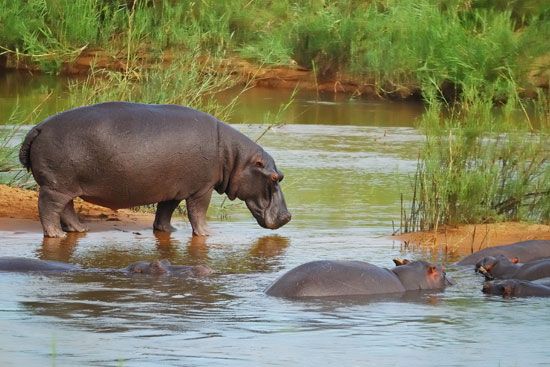
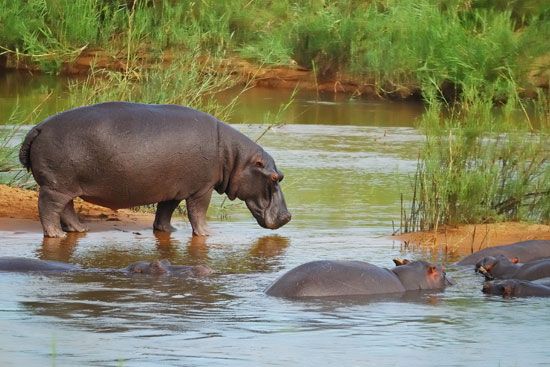
Hippos are often perceived as aggressive, but their dangerous reputation is largely linked to defensive behaviors rather than predatory instincts. They are highly territorial, particularly regarding their aquatic habitats, and will fiercely protect these areas from perceived threats.12
Several factors contribute to their potential danger to humans:
- Territoriality: Hippos aggressively defend their river and lake territories. When humans or other animals encroach upon these spaces, hippos may react with force.1
- Physical Capability: Males can weigh up to 3,200 kg (3.5 tons) and reach speeds of 30 km/h (19 mph) on land. They possess sharp lower canines that can exceed 30 cm (12 inches), which they use as weapons.13
- Antipredator Behavior: Attacks on small boats are often attributed to hippos mistaking the vessels for crocodiles, which are natural predators of young calves.12
While they are responsible for hundreds to thousands of human deaths annually, these incidents typically stem from the animal’s protective nature rather than unprovoked aggression.2
How does the pygmy hippopotamus differ from the common hippopotamus?
The pygmy hippopotamus (Choeropsis liberiensis) differs from the common hippopotamus (Hippopotamus amphibius) in several key physical and behavioral ways:
- Size: The pygmy hippo is significantly smaller, reaching weights of nearly 270 kg (600 pounds), whereas common hippos can weigh up to 3,200 kg (3.5 tons).42
- Physical Features: Pygmy hippos have a rounder head with eyes set to the sides, whereas common hippos have eyes, ears, and nostrils located high on the head for aquatic life. Additionally, pygmy hippos have less webbing between their toes and possess only one pair of lower incisor teeth.4
- Habitat and Activity: While common hippos are highly aquatic and gregarious, living in large groups in rivers and lakes, pygmy hippos are less aquatic, nocturnal, and solitary or found in very small groups within lowland tropical forests and swamps.42
- Diet: Pygmy hippos consume a broader diet that includes fresh leaves, herbs, and fallen fruits in addition to grasses, while common hippos primarily graze on grass.42
What are some other animals that are considered dangerous to humans in Africa?
Beyond the hippopotamus, several other animals in Africa are considered dangerous to humans, either through direct physical attacks or by acting as vectors for deadly diseases.
Predatory and Large Mammals
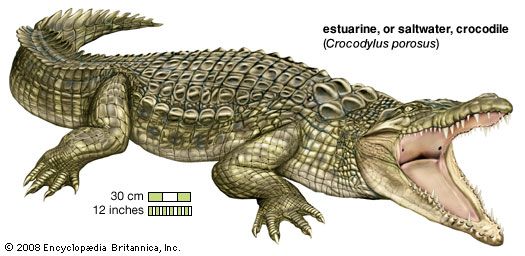
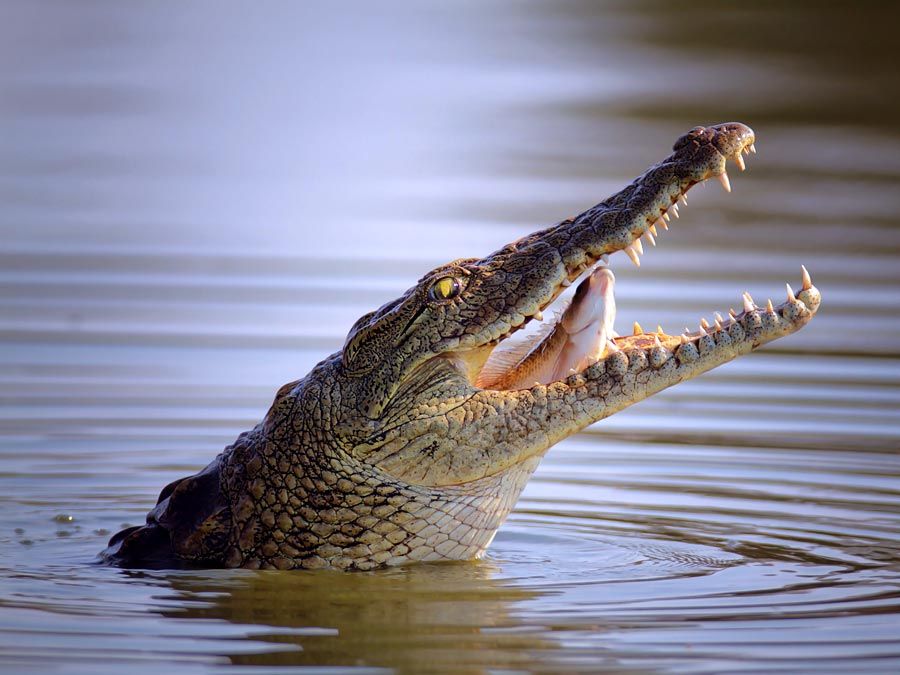
- Nile Crocodile: Widely considered the most dangerous crocodilian, the Nile crocodile is responsible for hundreds of confirmed human deaths annually. They are apex predators that often attack people near the water’s edge, where individuals may be washing clothes or boarding boats.56
- Lions: While they primarily hunt hoofed animals, lions are formidable predators that occasionally attack humans. In some regions, such as Tanzania, they are responsible for approximately 100 human deaths per year.7
- Cape Buffalo: Known as one of the most formidable wild bovids in Africa, the Cape buffalo is highly aggressive when threatened or aroused. They are known to cooperatively defend their herds and have been observed killing lions.8
Disease Vectors
- Mosquitoes: These insects are among the deadliest animals to humans globally. By acting as vectors for pathogens, they transmit serious illnesses such as malaria, dengue, and Zika fever.9
- Tsetse Flies: These flies are a critical problem in tropical Africa because they transmit the parasite that causes African trypanosomiasis (sleeping sickness) in humans.1011
How do hippos use their unique skin secretions to survive in the sun?
Hippos possess specialized skin glands that release an oily, reddish or pinkish substance often referred to as a “lotion.” While this secretion once fueled the ancient myth that hippos sweat blood, it serves a vital biological function: the pigment acts as a natural sunblock by filtering out harmful ultraviolet radiation.23
Because hippos do not sweat and lose water rapidly through their skin, this secretion helps protect them while they bask in the sun. However, the lotion alone is not enough to prevent dehydration; hippos must still retreat to rivers, lakes, or swamps periodically to keep cool and maintain their hydration levels.23
Sources
- Why are hippos dangerous? — Encyclopædia Britannica
- hippopotamus — Encyclopædia Britannica
- 9 of the World’s Deadliest Mammals - Hippopotamuses ( Hippopotamus amphibius ) — Encyclopædia Britannica
- pygmy hippopotamus — Merriam-Webster
- Nile crocodile — Encyclopædia Britannica
- 7 Crocodilian Species That Are Dangerous to Humans — Encyclopædia Britannica
- Cape buffalo — Encyclopædia Britannica
- African forest elephant — Encyclopædia Britannica
- African bush elephant — Encyclopædia Britannica
- 9 of the World’s Deadliest Mammals - Lions ( Panthera leo ) — Encyclopædia Britannica
- Africa - Animal life of particular interest — Encyclopædia Britannica
- lion - Conservation status — Encyclopædia Britannica
- Africa - Arthropods — Encyclopædia Britannica
- Why do mosquitoes drink blood? — Encyclopædia Britannica
Published on · 3 min read