Why Do Bananas Turn Brown?
Bananas turn brown primarily due to the production of ethylene, a gaseous hormone that regulates the ripening process. While ethylene helps break down acids…
Why Do Bananas Turn Brown?
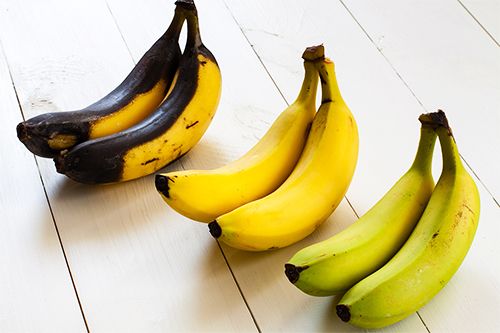
Bananas turn brown primarily due to the production of ethylene, a gaseous hormone that regulates the ripening process. While ethylene helps break down acids and chlorophyll to turn a green banana yellow and sweet, bananas produce this gas in high quantities. Eventually, this excess ethylene causes the yellow pigments to decay, leading to the characteristic brown spots through a process known as enzymatic browning.1
This browning is accelerated by bruising or damage, which triggers even higher ethylene production. Additionally, when a banana’s skin is broken or the fruit is sliced, the exposed tissue reacts with oxygen. This exposure activates enzymes like polyphenol oxidase, which oxidize compounds in the fruit to produce brown-colored pigments called melanins. While this process is often seen as a sign of overripening, similar enzymatic reactions are responsible for the desirable dark colors in foods like coffee and cocoa.12
What is the role of chlorophyll in plant life?
Chlorophyll is a vital class of pigments that serves as the primary engine for photosynthesis, the process by which plants, algae, and certain bacteria convert light energy into chemical energy.34
Found within organelles called chloroplasts, chlorophyll absorbs light most efficiently in the blue and red parts of the electromagnetic spectrum.5 Because it reflects green light, it gives plants their characteristic color. Its functional roles include:456
- Energy Harvesting: Chlorophyll molecules act as antennae, absorbing sunlight and transferring the resulting excitation energy to a reaction center.7
- Energy Conversion: Within the reaction center, chlorophyll facilitates the conversion of light energy into stored electrical energy, which is then used to synthesize carbohydrates from carbon dioxide and water.376
- Oxygen Production: As a byproduct of these reactions, oxygen is liberated into the atmosphere, sustaining life on Earth.6
How can you slow down the ripening process of fruits?
To slow down the ripening process of fruits, you must manage the factors that trigger senescence, primarily temperature and the presence of ethylene gas.
Key Methods for Extending Fruit Life
- Temperature Management: For many temperate-zone fruits, refrigeration at 32 to 41 °F (0 to 5 °C) effectively slows enzymatic activity and respiration rates. However, be cautious with tropical and subtropical fruits like bananas, avocados, and mangoes, which can suffer chilling injury if stored at temperatures that are too low.89
- Ethylene Control: Because ethylene acts as a hormone that accelerates ripening, removing it from the storage environment is essential. Avoid trapping fruits in enclosed spaces, such as paper bags, unless you intend to speed up the ripening process.81
- Controlled Atmosphere (CA) Storage: This technique involves reducing oxygen levels (often to about 5 percent) and increasing carbon dioxide levels to retard deterioration.810
- Hypobaric Storage: Storing fruit under partial vacuum reduces both respiration rates and ethylene production, which can preserve high quality for months.10
What are some other examples of enzymatic browning in food?
Enzymatic browning is a common biochemical process that occurs when plant tissues are damaged or exposed to oxygen, triggering enzymes like polyphenol oxidase to produce dark pigments called melanins.212
While often associated with apples, this reaction affects many other foods:
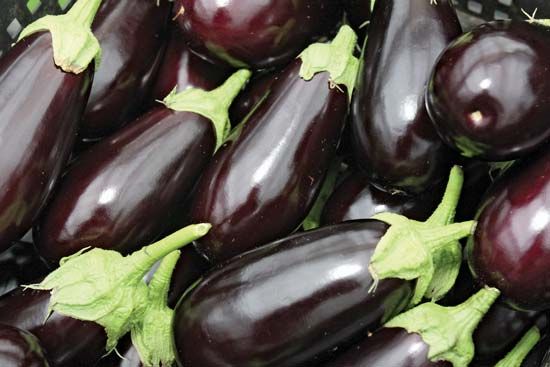
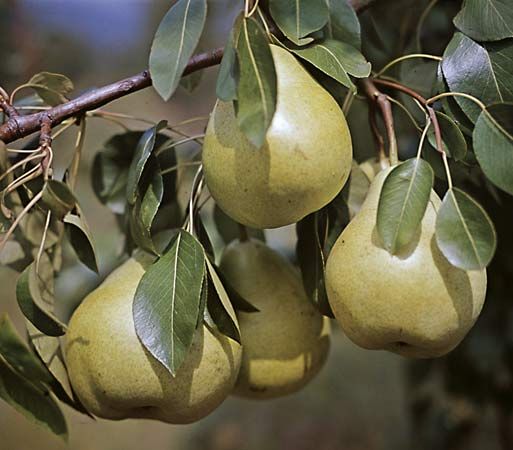
- Produce: Pears, bananas, eggplants, and potatoes are highly susceptible to browning when cut or bruised.212
- Desirable Browning: In some cases, this process is intentionally utilized to develop the characteristic dark colors of coffee, black tea, cocoa, and prunes.2
- Other Enzymes: Beyond polyphenol oxidase, other enzymes like peroxidase can also contribute to browning in various fruits.13
To manage or inhibit this reaction in produce, one can use antioxidants like vitamin C or acids such as citric acid, which help inactivate the enzymes or block oxygen exposure.212
Sources
- Why Do Bananas Turn Brown? — Encyclopædia Britannica
- Why Do Sliced Apples Turn Brown? — Encyclopædia Britannica
- Chlorophyll: Top Questions — Encyclopædia Britannica
- photochemical reaction - Photochemical steps in photosynthesis — Encyclopædia Britannica
- Why are plants green? — Encyclopædia Britannica
- Chlorophyll — Encyclopædia Britannica
- Leaf — Encyclopædia Britannica
- Fruit farming - Postharvest physiology of fruits — Encyclopædia Britannica
- fruit processing - Storage concerns — Encyclopædia Britannica
- fruit processing - Storage — Encyclopædia Britannica
- food preservation - Refrigeration — Encyclopædia Britannica
- food preservation - Enzymatic reactions — Encyclopædia Britannica
- food additive - Antioxidants — Encyclopædia Britannica
Published on · 3 min read