Why Do Sliced Apples Turn Brown?
The browning of sliced apples is a biochemical process called enzymatic browning. When an apple is cut, its internal tissue is exposed to oxygen. This…
Why Do Sliced Apples Turn Brown?
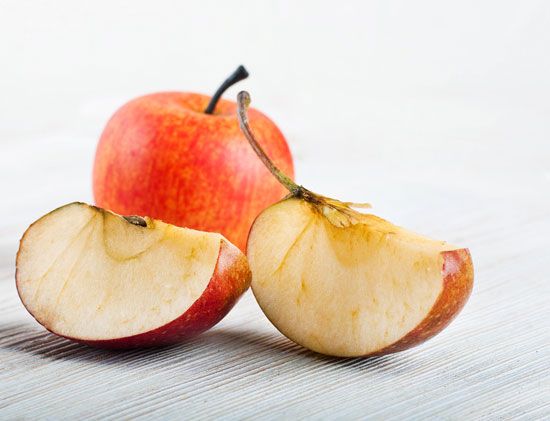
The browning of sliced apples is a biochemical process called enzymatic browning. When an apple is cut, its internal tissue is exposed to oxygen. This exposure triggers an enzyme called polyphenol oxidase (PPO) to oxidize polyphenols in the fruit’s flesh. This reaction creates o-quinones, which subsequently react with amino acids to form brown-colored melanins.1
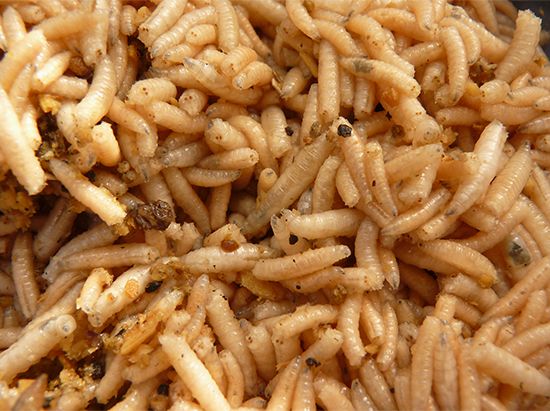
While this process is natural, it is distinct from the discoloration caused by pests like apple maggots, which damage fruit through larval tunneling and decay.2
To minimize browning, you can:
- Refrigerate slices to slow the reaction.1
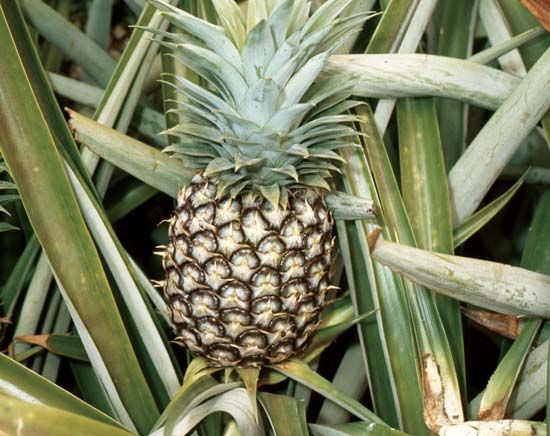
- Apply acidic juices like lemon or pineapple, which contain acids and antioxidants that inhibit the process.1
- Coat with sugar or honey to block oxygen exposure.1
Scientists are currently exploring genetic engineering to create apples that lack the PPO enzyme entirely.1
What other fruits and vegetables experience enzymatic browning?
Enzymatic browning is a common biochemical reaction that affects a variety of produce beyond apples. When plant tissues are cut or injured, the enzyme polyphenol oxidase (PPO) reacts with oxygen to produce brown pigments known as melanins.1
Several fruits and vegetables are particularly prone to this process:
- Fruits: Pears and bananas are well-known for turning brown quickly after being sliced or damaged.1
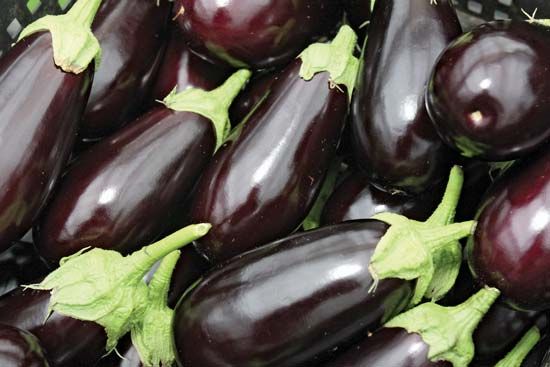
- Vegetables: Eggplants also experience rapid browning when exposed to air.1
Interestingly, this same enzymatic activity is intentionally harnessed to develop the characteristic dark colors and flavors in certain food products, including coffee, black tea, cocoa, and prunes.1
While PPO is the primary enzyme associated with browning in many fruits and vegetables, other enzymes like peroxidase can also contribute to this discoloration in various fruits. Because these reactions are dependent on temperature and pH, proper storage—such as refrigeration—is often used to slow the process and maintain food quality.31
How do antioxidants help prevent the browning process?
Antioxidants prevent or delay the browning process by interfering with the enzyme-catalyzed oxidation that occurs when fruits and vegetables are cut or bruised.1
They typically function through two primary mechanisms:
- Oxygen Scavenging: Some antioxidants, such as ascorbic acid (vitamin C), act as reducing agents that bind free oxygen. By removing the oxygen necessary for the reaction, they prevent the enzyme polyphenol oxidase (PPO) from oxidizing the polyphenols in the fruit’s flesh.41
- Enzyme Inhibition: Other agents, such as citric acid and sulfites, work by inactivating the enzymes themselves. By inhibiting the activity of PPO, these compounds stop the biochemical chain reaction that leads to the formation of brown melanin pigments.51
While these antioxidants are effective at preserving the appearance of fresh produce, they are distinct from free radical scavengers (like vitamin E or BHA), which are primarily used to prevent the autoxidation of fats and oils rather than enzymatic browning.16
What are some common ways to keep apple slices fresh for lunch?
To keep apple slices fresh and prevent them from turning brown in your lunch, you can employ several effective methods to slow the process of enzymatic browning:
- Refrigeration: Keeping your apple slices in a cold environment helps slow the biochemical reactions that cause discoloration.1
- Acidic Coatings: Coating the slices with lemon or pineapple juice is highly effective. The acids in these juices slow the reaction, while the antioxidants present in the juice inhibit the browning process.1
- Protective Barriers: If you do not mind the extra sweetness, you can coat the slices in honey, caramel, or sugar syrup. These substances create a physical barrier that blocks the fruit’s flesh from exposure to oxygen, which is necessary for the browning reaction to occur.1
Sources
- Why Do Sliced Apples Turn Brown? — Encyclopædia Britannica
- Apple maggot: Top Questions — Encyclopædia Britannica
- food preservation - Enzymatic reactions — Encyclopædia Britannica
- food additive - Preservatives — Encyclopædia Britannica
- food additive - Antioxidants — Encyclopædia Britannica
- antioxidant — Encyclopædia Britannica
- fruit processing - Storage — Encyclopædia Britannica
- Fruit farming - Harvesting and packing — Encyclopædia Britannica
Published on · 3 min read