Why Do Turtles Live for So Long?
Turtles possess several biological and physical adaptations that contribute to their longevity. A primary factor is their slow metabolism, which limits…
Why do turtles live for so long?
Turtles possess several biological and physical adaptations that contribute to their longevity. A primary factor is their slow metabolism, which limits physical strain, reduces cellular damage, and allows for efficient energy use.1
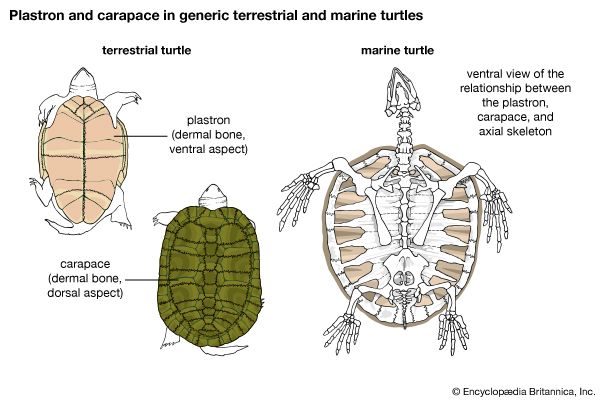
Additionally, their bony shells—comprising the carapace and plastron—provide natural armor that protects them from predators and injury. Turtles also exhibit slow development, often requiring many years to reach reproductive maturity. By prioritizing survival over early reproduction, they maintain lower death rates once they reach adulthood.12
It is important to note that while some reports claim extreme ages for certain tortoises, many lack reliable documentation, and some historical records have been complicated by misidentification or the replacement of individuals. While some species regularly live for decades, reaching ages exceeding a century typically requires an exceptionally nurturing and protected environment, as seen with individuals like Jonathan.3
How does a turtle’s shell protect it from predators?
A turtle’s shell serves as a vital adaptation that compensates for the animal’s slow movement by providing a rigid, protective skeletal box for its internal organs.45
The shell’s ability to protect against predators varies by species and environment:
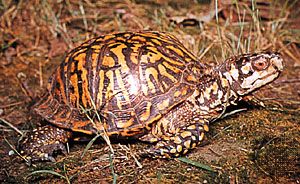
- Physical Defense: The shell is composed of the top carapace and the bottom plastron, both formed from fused dermal and endochondral bone. For many land-dwelling species, such as box turtles, a high, domed shape makes the shell difficult for a predator to grasp in its mouth or crush.45
- Withdrawal: Many turtles, specifically those in the suborder Cryptodira, can pull their heads inside this protective structure to shield vulnerable areas from attack.5
- Environmental Integration: Some species use their shell shape to exploit their surroundings. For example, the pancake tortoise can wedge itself into rocky crevices and inflate its lungs, expanding its shell to become impossible for a predator to extract.5
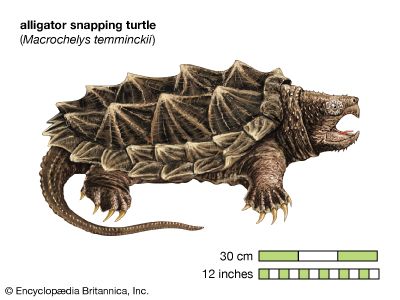
- Camouflage: Aquatic species, such as snapping turtles, often possess ridged carapaces that assist in concealing coloration, helping them blend into their environment to avoid detection.5
What are the main differences between turtles and tortoises?
While all tortoises are turtles—as both belong to the order Testudines—not all turtles are tortoises. The terms are often used interchangeably in casual conversation, but there are distinct biological and behavioral differences between them.7
Key Differences
- Habitat: The most significant distinction is that tortoises are exclusively land-dwelling creatures. While other turtles may spend their lives in water or divide their time between land and water, tortoises generally only interact with water for drinking or bathing.75
- Anatomy: Tortoises possess specific anatomical features adapted for life on land. They have elephantine, columnar hind limbs rather than the flipperlike or webbed feet found in many aquatic turtles. Additionally, their digits contain two or fewer phalanges.7
- Diet: Tortoises are generally herbivores, feeding on a variety of plants. In contrast, many other turtle species are omnivorous or strictly carnivorous, consuming animal matter such as fish, insects, or mollusks.78
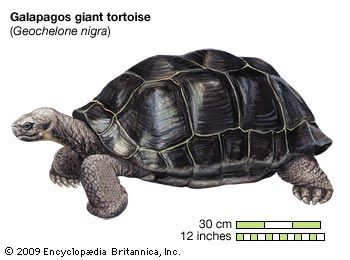
- Shell Shape: Most tortoises have high, domed shells, which serve as an adaptation to make them difficult for predators to grasp or crush. While some land turtles also have domed shells, aquatic turtles often have more streamlined shells to aid in swimming or ridged carapaces for camouflage.9
How do sea turtles navigate across the ocean?
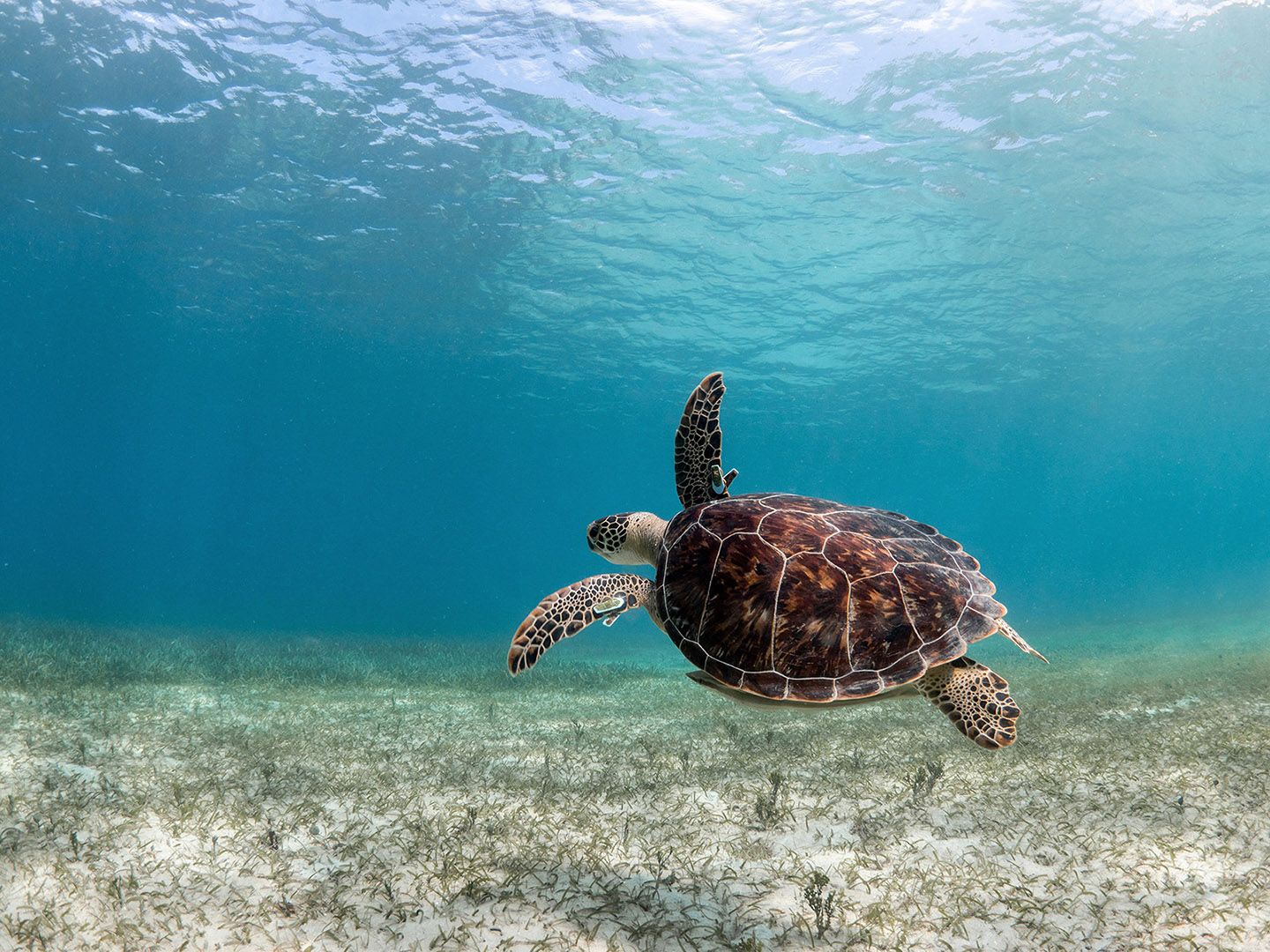
Sea turtles navigate across the ocean primarily by utilizing the Earth’s magnetic field. When female loggerhead sea turtles hatch, they imprint on the unique magnetic signature of their natal beach. This internal “map” allows them to navigate back to that specific location as adults to lay their own eggs.10
While other migratory animals may rely on additional cues such as Sun angles or star patterns, the magnetic sense is a critical component for sea turtles to traverse vast distances across the ocean.10
Sources
- Why do turtles live for so long? — Encyclopædia Britannica
- turtle - Longevity — Encyclopædia Britannica
- turtle - Reproductive age and activity — Encyclopædia Britannica
- What are turtle shells made of? — Encyclopædia Britannica
- turtle - Form and function — Encyclopædia Britannica
- 16 Questions About Pets Answered - Can my turtle take off its shell? — Encyclopædia Britannica
- What’s the Difference Between a Turtle and a Tortoise? — Encyclopædia Britannica
- What do turtles eat? — Encyclopædia Britannica
- turtle - Habitats — Encyclopædia Britannica
- Homing — Encyclopædia Britannica
- turtle - Egg development and hatching — Encyclopædia Britannica
- sea turtle: Top Questions — Encyclopædia Britannica
Published on · 3 min read