What’s the Difference Between a Turtle and a Tortoise?
It is a common misconception that turtles and tortoises are entirely separate categories of animals. In reality, all tortoises are turtles—both belong to the…
What’s the Difference Between a Turtle and a Tortoise?
It is a common misconception that turtles and tortoises are entirely separate categories of animals. In reality, all tortoises are turtles—both belong to the order Testudines—but not all turtles are tortoises.12
The primary differences lie in their habitat and anatomy:
- Habitat: Tortoises are exclusively land-dwelling creatures, whereas other turtles spend much of their lives in or near water. While some turtles are terrestrial, they are not classified as tortoises.12
- Anatomy: Tortoises (family Testudinidae) possess unique, elephantine (columnar) hind limbs and feet, which are not webbed. Unlike many aquatic turtles, they do not have flipperlike limbs.23
- Diet: Tortoises are generally vegetarians, feeding on foliage, flowers, and fruits, though some species may occasionally consume animal matter. In contrast, many other turtle species are omnivorous or strictly carnivorous.234
Most tortoises are also characterized by high, domed shells, which serve as an adaptation to protect them from predators.53
What are the unique anatomical features of sea turtles?
Sea turtles possess several specialized anatomical features that allow them to thrive in marine environments. Their most notable adaptations include:
- Streamlined Shells: Unlike the domed shells of many land-dwelling turtles, sea turtles have streamlined carapaces (top shells) that reduce drag and facilitate efficient swimming.57
- Modified Limbs: Their forelimbs are evolved into paddle-like flippers for propulsion, while their fully webbed hind feet act as rudders for steering.8
- Respiratory Efficiency: Sea turtles, such as the green turtle, possess complex lungs with extensive airway branching, allowing for high rates of gas exchange to support their active swimming. Additionally, some species, like the leatherback sea turtle, can expel waste gases through their skin, enabling them to remain submerged for extended periods.910
- Thermoregulation: Leatherbacks utilize a specialized network of blood vessels to transfer heat from their limbs to their core, helping them maintain body temperature in colder waters.10
- Shell Variation: While most sea turtles have a bony carapace covered in epidermal scutes (scales), the leatherback is unique; its bony architecture is reduced, and its shell is covered by a thick, leathery skin.810
How do the shells of different turtle species help them survive?
The shell of a turtle is a remarkable evolutionary adaptation that serves as a rigid skeletal box, housing internal organs and providing essential protection against predators to compensate for the animal’s slow movement. While the shell is a permanent structure made of bone and cartilage, its form varies significantly across species to meet specific environmental needs.9512
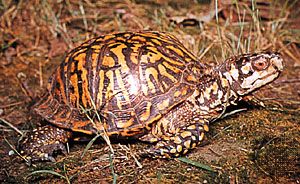
- Land-dwelling species: Many tortoises and land turtles, such as box turtles, possess high, domed shells. This shape makes it difficult for predators to grasp the shell in their mouths or crush it. The pancake tortoise is a notable exception; its flat shell allows it to hide in rocky crevices, where it can inflate its lungs to wedge itself securely in place.5
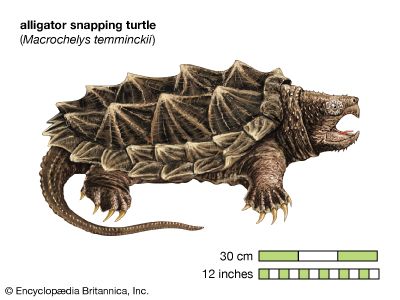
- Aquatic species: Turtles that live in water often have more streamlined shells to reduce drag and improve swimming efficiency, a trait best developed in sea turtles. Conversely, bottom-dwelling aquatic species, such as snapping turtles, often have less streamlined, ridged carapaces that may assist with camouflage in their environment.5
What are some of the biggest threats to turtle and tortoise populations today?
Turtle and tortoise populations face significant existential threats today, largely driven by human activity and environmental change. The primary challenges include:
- Overexploitation and Poaching: Many species are hunted for their meat, eggs, and shells, which are used in traditional medicine or as decorative items. This commercial demand has driven some populations to local extinction.14
- Habitat Loss and Pollution: Plastic pollution is a severe threat, particularly to sea turtles, which often ingest plastic debris like bags and bottle caps, mistaking them for food. Additionally, the destruction of nesting beaches and natural habitats limits their ability to reproduce and survive.15147
- Fisheries Bycatch: Many sea turtles are captured—either intentionally or accidentally—in coastal fisheries before they reach sexual maturity, which is a critical issue given their slow maturation rates.716
- Climate Change: Rising temperatures are significantly impacting sex determination in many species. For example, warmer incubation temperatures have led to heavily female-skewed populations, which threatens long-term reproductive viability.17
- Pet Trade: The demand for ornate turtles as pets makes them vulnerable, as many species are collected from the wild and do not breed well in captivity.14
Sources
- turtle - Habitats — Encyclopædia Britannica
- turtle: Top Questions — Encyclopædia Britannica
- What’s the Difference Between a Turtle and a Tortoise? — Encyclopædia Britannica
- What do turtles eat? — Encyclopædia Britannica
- turtle - Form and function — Encyclopædia Britannica
- tortoise — Encyclopædia Britannica
- sea turtle — Encyclopædia Britannica
- leatherback sea turtle — Encyclopædia Britannica
- What are turtle shells made of? — Encyclopædia Britannica
- sound reception - Turtles — Encyclopædia Britannica
- Respiratory system - Reptiles — Encyclopædia Britannica
- Why are turtles so slow? — Encyclopædia Britannica
- reptile - Swimming — Encyclopædia Britannica
- turtle — Encyclopædia Britannica
- plastic pollution - Plastic pollution in oceans and on land — Encyclopædia Britannica
- turtle - Egg development and hatching — Encyclopædia Britannica
- sea turtle: Top Questions — Encyclopædia Britannica
- poaching — Encyclopædia Britannica
- invasive species — Encyclopædia Britannica
Published on · 3 min read