What Do Turtles Eat?
Turtles exhibit diverse dietary habits depending on their species and environment, ranging from strict herbivores to specialized carnivores and omnivores.
What do turtles eat?
Turtles exhibit diverse dietary habits depending on their species and environment, ranging from strict herbivores to specialized carnivores and omnivores.12
- Herbivores: Tortoises primarily consume various plants, while green sea turtles favor marine grasses and algae. Many large river turtles also feed on fruits and leaves.12
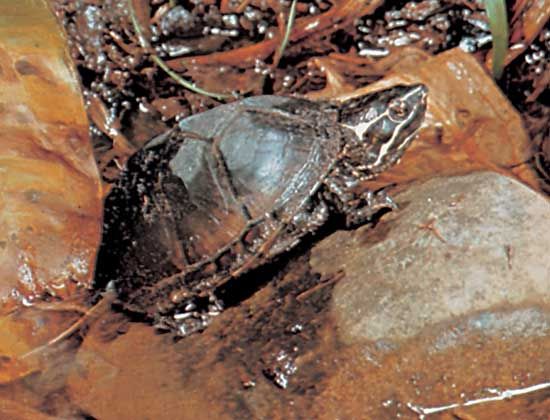
- Carnivores: Some species are highly specialized. The leatherback sea turtle feeds on jellyfish and salps, while others, like the loggerhead musk turtle, focus on mollusks. The snapping turtle is a notable predator of fish, frogs, snakes, and birds.12
- Omnivores: Many turtles, such as the red-eared slider, consume a mix of vegetation and small aquatic animals, and some will scavenge carrion when available.123
Interestingly, some aquatic species transition from being insectivores as juveniles to herbivores as they reach adulthood.2
How do juvenile turtles change their diet as they grow?
Many aquatic turtle species undergo a significant dietary shift as they mature. While adult turtles of these species are often herbivores that consume vegetation, their juvenile counterparts typically begin life as insectivores.1
As these turtles grow and approach adulthood, their nutritional requirements and feeding behaviors evolve, leading them to transition toward a plant-based diet. This developmental change is a common pattern among various aquatic turtles, reflecting the different energy needs and foraging capabilities of younger versus older individuals.1
What predators pose the biggest threat to turtles?
Turtles face different levels of predation depending on their life stage and environment. The most vulnerable periods for any turtle are as eggs and hatchlings, during which they are preyed upon by a wide variety of animals, including seabirds, raccoons, dogs, and ghost crabs.256
For adult turtles, threats vary by habitat:
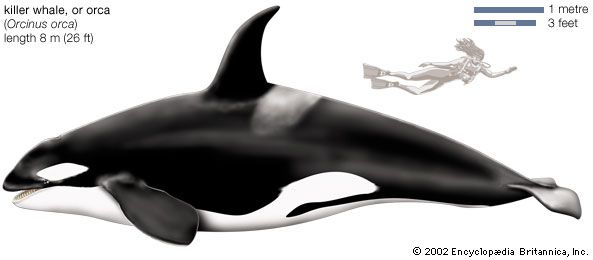
- Marine Environments: Adult sea turtles can be attacked by large predators such as sharks and killer whales.25
- Freshwater Environments: Alligators and other crocodilians possess the strength to crush the shells of most freshwater turtles.2
- Terrestrial Environments: Mammalian predators are the primary threat to adult turtles found on land.2
Beyond natural predators, human beings pose the most significant threat to turtles of all ages. Humans impact populations through the harvesting of eggs and adults for food or medicine, the pet trade, and the destruction of habitats through pollution and commercial fishing practices.578
How do turtles adapt their feeding habits to different environments?
Turtles exhibit diverse feeding habits that are highly adapted to their specific environments and biological constraints. Because no present-day turtles have teeth, they rely on sharp keratinous sheaths on their jaws to cut vegetation or process animal prey, using a broad, thick sheath to crush mollusks when necessary.1
Dietary Adaptations
Turtles are categorized by their primary food sources, which often reflect their habitat:
- Herbivores: Tortoises and many large river turtles consume plants, fruits, and leaves. Green sea turtles specialize in marine grasses but will consume algae if their preferred food is unavailable.25
- Carnivores: Species like the leatherback sea turtle time their movements to coincide with seasonal blooms of jellyfish and salps. Others, such as the snapping turtle, are opportunistic hunters that capture fish, frogs, and small birds.25
- Omnivores: Many species, such as the red-eared slider, consume a mix of vegetation and small aquatic animals, and will also scavenge carrion.25
Specialized Feeding Mechanisms
Beyond diet, physical adaptations facilitate food capture. Some Pleurodira (side-necked turtles) possess a specialized gape-and-suck mechanism. The South American matamata can rapidly enlarge its mouth and throat cavity to create a vacuum, sucking in nearby prey along with water.1
Sources
- What do turtles eat? — Encyclopædia Britannica
- turtle - Feeding behaviour — Encyclopædia Britannica
- turtle: Top Questions — Encyclopædia Britannica
- turtle - Reproductive age and activity — Encyclopædia Britannica
- turtle - Form and function — Encyclopædia Britannica
- leatherback sea turtle — Encyclopædia Britannica
- turtle - Habitats — Encyclopædia Britannica
- turtle - Egg development and hatching — Encyclopædia Britannica
- turtle — Encyclopædia Britannica
- alligator snapping turtle — Encyclopædia Britannica
- invasive species — Encyclopædia Britannica
Published on · 3 min read