Wood Mouse
Wood mice, belonging to the genus Apodemus, are small rodents with a wide geographic distribution. They are found across a vast region stretching from…
Where are wood mice typically found, and what habitats do they prefer?
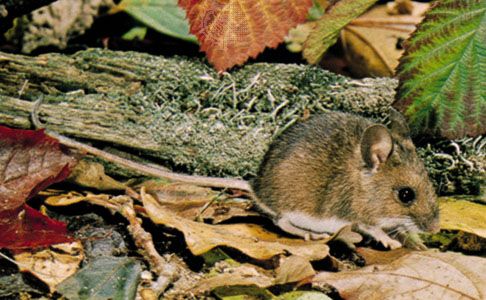
Wood mice, belonging to the genus Apodemus, are small rodents with a wide geographic distribution. They are found across a vast region stretching from northern Europe eastward through the Himalayas to southern China. Additionally, certain species, such as the long-tailed field mouse, are present in North Africa and on various islands.1
Regarding their habitat preferences, wood mice are highly adaptable and inhabit a variety of environments, including forests, grasslands, and cultivated fields. They typically live in burrows where they construct nests out of grass and other plant materials. However, their behavior can shift during harsh seasons, at which point they may seek shelter inside buildings. While most species are nocturnal and terrestrial, some are known to be agile climbers.1
How long do wood mice typically live in the wild?
Sorry, the Britannica knowledge base does not contain this information.
What are the key physical characteristics of the wood mouse?
The wood mouse (Apodemus) exhibits several distinct physical characteristics that define the genus:
- Size: These small-bodied rodents vary in size depending on the species, typically weighing between 15 and 50 grams (0.5 to 1.8 ounces). Their body length, excluding the tail, ranges from 6 to 15 cm (2.4 to 5.9 inches).1
- Tail: The length of the tail is variable, measuring either approximately the same length as the head and body or significantly shorter.1
- Fur: They possess soft fur that is generally colored in shades of yellowish brown or gray. A notable exception is the striped field mouse, which is distinguished by a narrow black stripe running down its back.1
As members of the family Muridae, these mice are part of the “true” mice group and have a long evolutionary history dating back to the Miocene Epoch.1
How do wood mice differ from other mouse species found in the same areas?
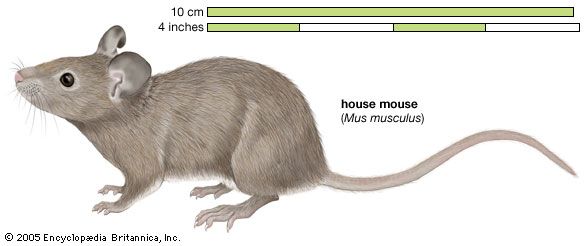
Wood mice (Apodemus) are distinguished from other “true” mice, such as the house mouse (Mus musculus), by several key factors:
- Evolutionary History: Apodemus and Mus are the only two genera within the subfamily Murinae that have persisted for such an extensive geologic time period, with Apodemus fossils dating back to the Middle Miocene Epoch.1
- Behavioral Adaptations: While many rodents are strictly nocturnal, some wood mice species, such as the striped field mouse, are active during the day. Additionally, certain species like the Japanese wood mouse are noted for being agile climbers, whereas other mouse species may be strictly terrestrial.1
- Habitat and Nesting: Wood mice typically inhabit forests, grasslands, and cultivated fields, building nests of grass and plants in burrows. Unlike the house mouse, which is highly associated with human dwellings, wood mice only move into buildings during harsh seasons.12
- Diet: Their diet is broad, consisting of seeds, roots, fruit, and insects, reflecting their role as opportunistic generalists common among many rodents their role as opportunistic generalists common among many rodents.12
Sources
- wood mouse — Encyclopædia Britannica
- wood mouse — Merriam-Webster
- rodent - Natural history — Encyclopædia Britannica
Published on · 2 min read