10 Conservationists of India
India has a rich history of environmental stewardship, driven by diverse figures ranging from scientists and lawyers to journalists and foresters. While the…
What are 10 Conservationists of India?
India has a rich history of environmental stewardship, driven by diverse figures ranging from scientists and lawyers to journalists and foresters. While the provided search results highlight several key individuals, here are 9 notable conservationists who have significantly shaped India’s ecological landscape:
- Anil Kumar Agarwal: A pioneering environmental journalist and founder of the Centre for Science and Environment, he advocated for sustainable development and social justice.1
- Kailash Sankhala: Known as the “Tiger Man of India,” he was the first director of Project Tiger and a driving force behind the 1972 Wild Life (Protection) Act.2
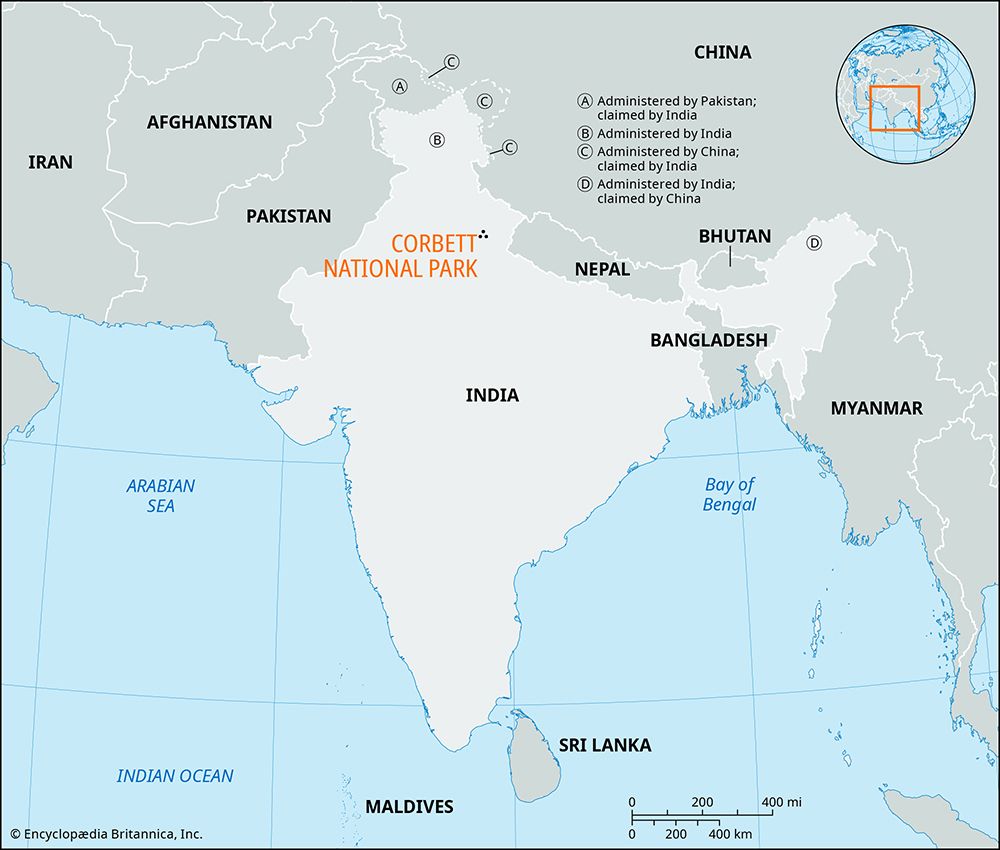
- Jim Corbett: A hunter-turned-conservationist instrumental in establishing the park now known as Jim Corbett National Park.3
- Sálim Ali: An ornithologist whose systematic bird surveys earned him the title “Birdman of India”.3
- Mahesh Chandra Mehta: An environmental lawyer who secured landmark Supreme Court judgments against industrial pollution.3
- Madhav Gadgil: An ecologist who contributed to the creation of the Nilgiri Biosphere Reserve.3
- Jayshree Vencatesan: A conservationist recognized for her work protecting Tamil Nadu’s wetlands.3
- Sonali Ghosh: A noted leader in wildlife and ecosystem conservation.3
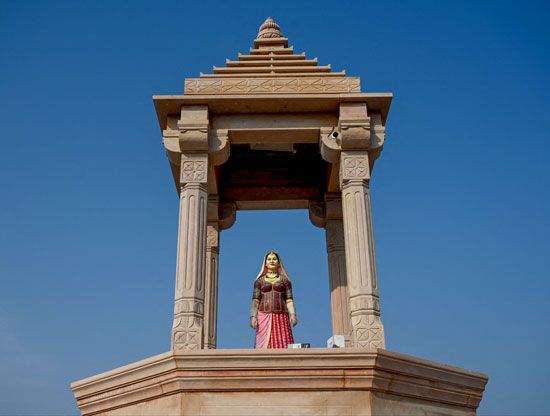
- Ashoka: The ancient Mauryan emperor whose 3rd-century-BCE edicts are among India’s earliest recorded efforts to protect forests and animals.4
What was the Chipko movement and why was it significant?
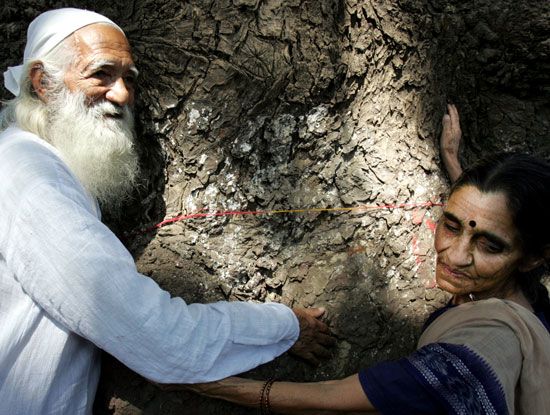
The Chipko movement was a nonviolent, grassroots social and ecological campaign that emerged in the Himalayan region of Uttarakhand, India, in 1973. The term chipko means “to hug” or “to cling to,” reflecting the protesters’ primary tactic of embracing trees to physically prevent loggers from felling them.5
The movement was significant for several reasons:
- Empowerment and Rights: It evolved into a powerful peasant and women’s movement, challenging government policies that denied local communities access to forests they relied on for subsistence.5
- Environmental Protection: By highlighting the link between industrial logging and environmental disasters like monsoon floods and erosion, it successfully pressured the government to enact long-term bans on commercial tree felling in the region.5
- Nonviolent Resistance: Utilizing Mahatma Gandhi’s philosophy of satyagraha, the movement demonstrated the efficacy of peaceful protest, including fasting and creative civil disobedience.5
- Ecological Legacy: It expanded into the “Save Himalaya” movement, influencing broader conservation efforts, including reforestation and opposition to destructive infrastructure projects like dams and mining.5
How do biosphere reserves help protect biodiversity in India?
Biosphere reserves in India serve as critical tools for protecting biodiversity by integrating habitat conservation with sustainable human development. These areas are designated based on their rich floral and faunal diversity and are managed through a structured, three-tiered zoning system:67
- Core Area: This central zone receives the strictest protection, often prohibiting human interference to preserve ecosystems, landscapes, and genetic variation.6
- Buffer Zone: Surrounding the core, this area permits activities like scientific research, monitoring, and education, provided they adhere to sound ecological practices.6
- Transition Area: The outermost zone allows for more intensive human activity, such as small-scale agriculture and sustainable forestry, fostering cooperation between local communities and conservation goals.6
By functioning as “learning places for sustainable development,” these reserves help India balance the needs of its population with the necessity of maintaining healthy ecosystems. This approach complements India’s broader legislative framework, including the Wildlife (Protection) Act, 1972, which collectively works to mitigate environmental damage and protect vulnerable species.678
What are some of the most critically endangered animals in India today?
India is home to a diverse range of wildlife, but many species are currently classified as critically endangered by the International Union for Conservation of Nature (IUCN), facing a high risk of extinction in the wild.9
Some of the most critically endangered animals in India include:
- Great Indian Bustard (Ardeotis nigriceps): One of the world’s heaviest flying birds, this species has suffered a severe population decline due to habitat loss, poaching, and the transformation of its native grasslands into agricultural land.10
- Kashmir Red Deer (Hangul; Cervus hanglu hanglu): This unique deer species, found in Jammu and Kashmir, is critically endangered and known for its matriarchal social structure.11
- Malabar Civet (Viverra civettina): Native to the Western Ghats, this nocturnal mammal has not been sighted in the wild since the 1990s and is threatened by forest conversion and retaliatory killings.1213
- Bengal Florican (Houbaropsis bengalensis): This bird is a focus of national conservation efforts, such as Project Bustard, due to its declining population and habitat loss.107
- Assam Roofed Turtle: Found in regions like Manas National Park, this species is also listed among India’s critically endangered wildlife.7
These species are vital for maintaining ecological balance across India’s diverse ecosystems. Conservation programs, such as Project Bustard, aim to protect these animals and their habitats from further decline.910
Sources
- 10 Conservationists of India - Honorable mentions — Encyclopædia Britannica
- 10 Conservationists of India — Encyclopædia Britannica
- Anil Kumar Agarwal — Encyclopædia Britannica
- 10 Conservationists of India - Kailash Sankhala — Encyclopædia Britannica
- Chipko movement — Encyclopædia Britannica
- biosphere reserve — Encyclopædia Britannica
- India - Conservation — Encyclopædia Britannica
- Environment and sustainable development in India - Sustainable development in practice — Encyclopædia Britannica
- 10 Critically Endangered Animals of India — Encyclopædia Britannica
- great Indian bustard — Encyclopædia Britannica
- State Animals of India — Encyclopædia Britannica
- Manas National Park — Encyclopædia Britannica
- 10 Critically Endangered Animals of India - Malabar civet ( Viverra civettina ) — Encyclopædia Britannica
- civet — Encyclopædia Britannica
Published on · 4 min read