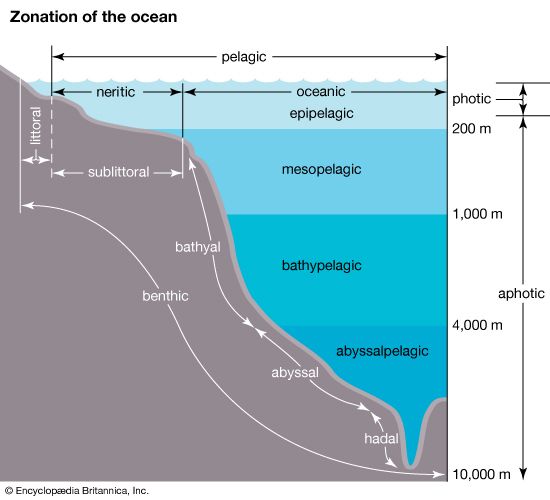
Off the Hook: 10 Sharks Protected from Fishing in American Waters
"Off the Hook: 10 Sharks Protected from Fishing in American Waters" is a Britannica list highlighting specific shark species that have received legal…
What is Off the Hook: 10 Sharks Protected from Fishing in American Waters?
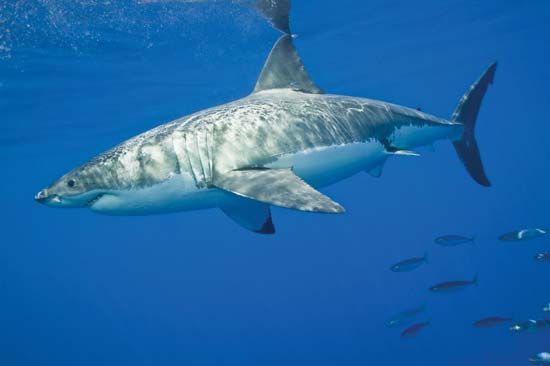
“Off the Hook: 10 Sharks Protected from Fishing in American Waters” is a Britannica list highlighting specific shark species that have received legal protections in United States waters. While the U.S. has taken significant steps to combat shark finning through legislation like the Shark Finning Prohibition Act and the Shark Conservation Act, regional regulations—particularly those under the Highly Migratory Species Fisheries Management Plan—provide additional safeguards for various species along the Atlantic seaboard.12
The 10 sharks featured in the list are:
- Great white shark (Carcharodon carcharias)
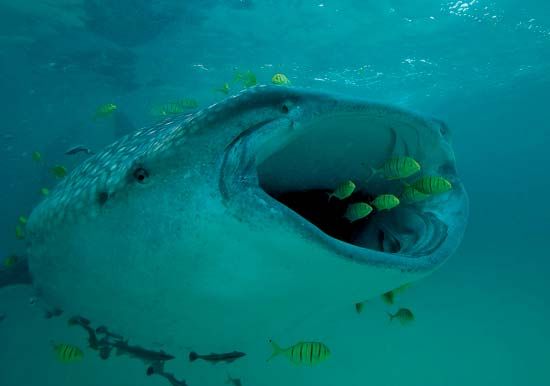
- Whale shark (Rhincodon typus)
- Basking shark (Cetorhinus maximus)
- Sand tiger shark (Carcharias taurus)
- Sixgill shark (Hexanchus griseus)
- Atlantic angel shark (Squatina dumeril)
- Night shark (Carcharhinus signatus)
- Caribbean reef shark (Carcharhinus perezi)
- Bigeye thresher shark (Alopias superciliosus)
- Galapagos shark (Carcharhinus galapagensis)
These protections are vital, as many shark species function as apex predators that are essential to the health of marine ecosystems.12
What is the difference between shark finning and bycatch?
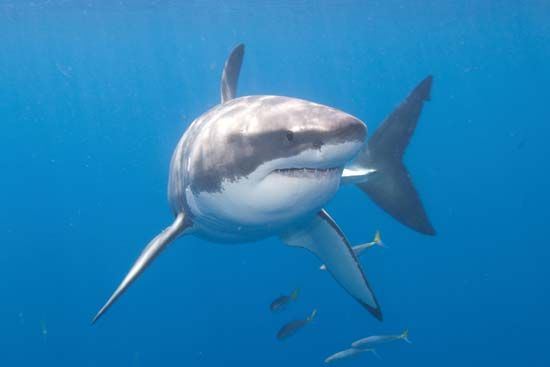
While both shark finning and bycatch contribute to the decline of shark populations, they differ significantly in their intent and execution within the commercial fishing industry.
Shark Finning
Shark finning is a targeted practice involving the intentional harvesting of a shark’s lateral, dorsal, and lower tail fins. The primary driver is the global demand for shark fin soup, a dish often used as a status symbol. After the fins are removed, the shark—often still alive—is typically discarded overboard to save cargo space, leading to its eventual death. This practice is widely condemned for its cruelty and has been restricted or prohibited by various international and national laws, including the Shark Conservation Act in the United States including the Shark Conservation Act in the United States.32
Bycatch
Bycatch refers to the unintentional capture of non-target marine animals, such as sharks, sea turtles, and seabirds, by fishing gear meant for other species. It is considered an unavoidable consequence of large-scale fishing methods like trawls, gill nets, and longlines, which do not discriminate between species. Unlike finning, bycatch is not the primary goal of the fishing operation; however, it is a major threat to marine biodiversity. Because these animals are often considered commercially unprofitable, they are frequently discarded back into the ocean, either dead or dying from the trauma of capture.45
How do marine protected areas help shark populations recover?
Marine protected areas (MPAs) serve as critical tools for shark conservation by creating designated “safe zones” that restrict or prohibit human activities, such as commercial fishing, which are the primary drivers of global shark population declines.72
By limiting or banning extractive activities, MPAs help shark populations recover in several ways:
- Reducing Fishing Encounters: The primary goal of an MPA is to minimize interactions between sharks and fishing fleets. By restricting access to areas frequented by sharks, these zones reduce the likelihood of sharks being targeted or caught as bycatch in nets and on longline hooks.2
- Providing Refuges: MPAs act as retreats for apex predators, allowing them to inhabit and move through protected waters with less risk of mortality.72
- Stabilizing Ecosystems: By protecting these predators, MPAs help reinforce the health and structure of the broader marine ecosystem, which benefits both the species within the reserve and those in nearby unprotected areas.7
- Supporting Critical Habitats: Some MPAs, such as the Galapagos Marine Reserve, protect essential areas like shark nurseries, which are vital for the survival of young sharks.2
Conservation benefits are most significant when MPAs are large, remote, well-enforced, and managed as “no-take” zones.7
Why are apex predators like sharks important for ocean health?
Apex predators like sharks are essential to ocean health because they function as keystone species, exerting a disproportionate influence on the structure and biodiversity of their ecosystems.8
By occupying the top rank of the trophic pyramid, sharks help maintain balance through a process known as a trophic cascade. Their presence and hunting activities control the populations of prey species, which in turn prevents those species from overconsuming resources like phytoplankton or kelp forests.89
When top predators are removed—often due to overfishing or finning—it can trigger mesopredator release. This occurs when populations of medium-sized predators increase rapidly because they are no longer controlled by larger sharks, leading to a decline in the smaller species they consume and causing significant shifts in ecosystem processes. Ultimately, the conservation of these predators is vital for preserving the natural functions of the ocean, which provide essential services such as maintaining water quality and supporting nutrient cycling.9
Sources
- Off the Hook: 10 Sharks Protected from Fishing in American Waters — Encyclopædia Britannica
- Saving Sharks in the 2020s — Encyclopædia Britannica
- shark - Shark finning — Encyclopædia Britannica
- bycatch — Merriam-Webster
- bycatch — Encyclopædia Britannica
- Talking Ocean Trash: Ghost Gear Keeps on Fishing — Encyclopædia Britannica
- marine protected area — Encyclopædia Britannica
- apex predator — Encyclopædia Britannica
- trophic cascade — Encyclopædia Britannica
- shark - Shark behaviour — Encyclopædia Britannica
- chondrichthyan - Sharks — Encyclopædia Britannica
- white shark - Role in marine food chains — Encyclopædia Britannica
- white shark - Conservation — Encyclopædia Britannica
Published on · 4 min read