7 Awesome Frog Species of the Tropics
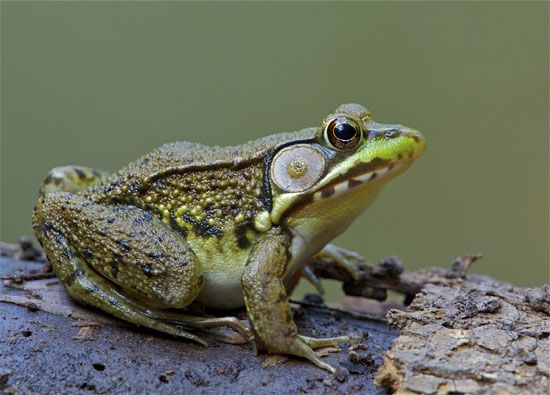
Tropical forests are home to a spectacular diversity of frogs. Here are seven remarkable species found in these environments:
What are 7 Awesome Frog Species of the Tropics?
Tropical forests are home to a spectacular diversity of frogs. Here are seven remarkable species found in these environments:
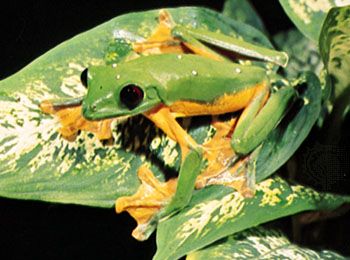
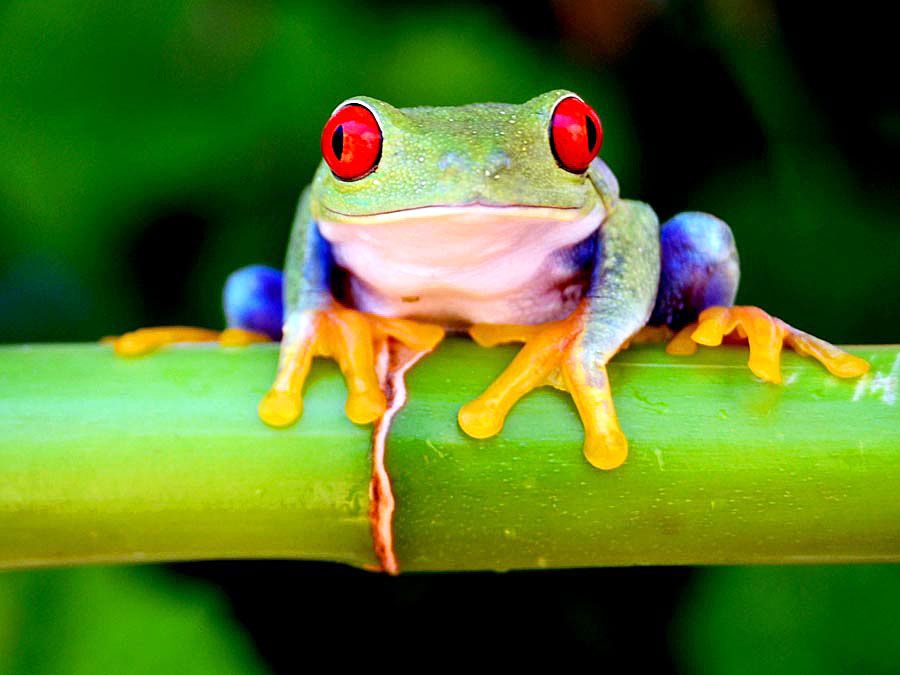
- Red-Eyed Tree Frog: Known for its bulging red eyes and neon-green body, this tree frog uses its vibrant colors to startle predators.1
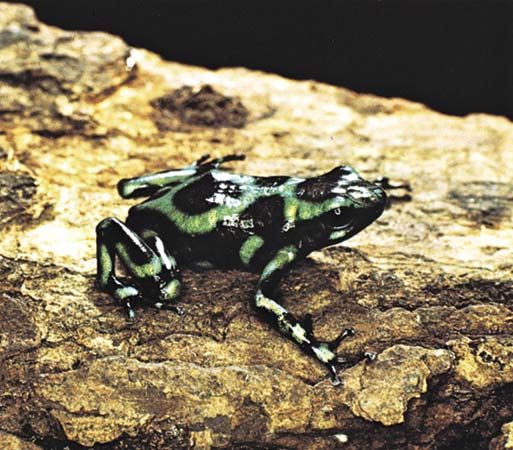
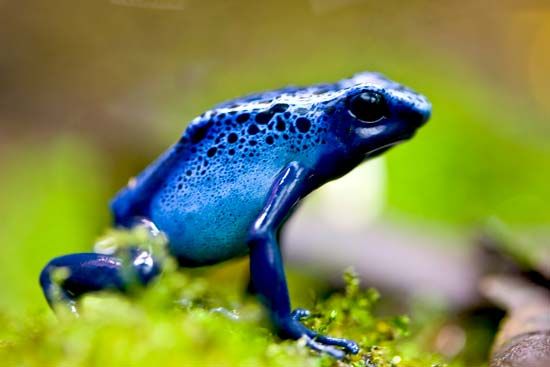
- Blue Poison Dart Frog: A beautiful, sapphire-colored poison dart frog that secretes toxins through its skin.1
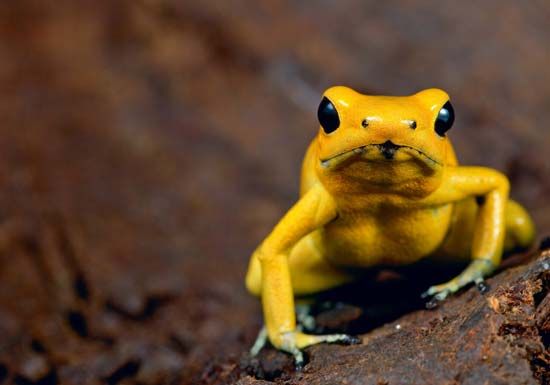
- Golden Poison Frog: One of the most toxic animals on Earth, this endangered species uses its bright coloration as a warning to potential threats.1
- Amazon Milk Frog: Named for the milky, poisonous secretions it releases when stressed, this species features a unique gold-and-black iris pattern.1
- Tomato Frog: Native to Madagascar, this plump, red frog secretes a sticky, glue-like substance to deter predators.1
- Goliath Frog: The largest frog in the world, this endangered species can weigh up to seven pounds and inhabits rivers in Equatorial Guinea and Cameroon.1
- Mimic Poison Frog: Famous for its ability to evolve and resemble other local poison frog species through mimetic radiation.1
How do frogs use their skin to protect themselves from predators?
Frogs utilize a variety of skin-based strategies to defend themselves against predators, primarily focusing on camouflage, warning signals, and chemical defenses.
Camouflage and Physical Modification
Many frogs rely on their skin’s appearance to avoid detection. By modifying their shape, texture, and color, they can blend into their surroundings. For example, some species have flattened bodies that mimic dead leaves on the forest floor, while others possess rough, greenish-gray skin that resembles lichens when resting on tree trunks. Additionally, many frogs can adjust their color based on light and moisture levels by expanding or contracting pigment cells called melanophores.2
Warning Signals and Mimicry
Some frogs use “flash colors”—bright patterns on hidden areas like the thighs or belly—to startle or confuse predators when they move. Other species, particularly poison frogs, use aposematic (warning) coloration, such as bold reds, yellows, or oranges, to signal that they are toxic. Some non-poisonous species gain protection by mimicking the appearance of these toxic frogs.234
Chemical Defenses
All frogs possess poison glands in their skin. While many species produce secretions that are harmless to humans, others, such as the golden poison frog, produce potent alkaloid toxins that can be lethal to vertebrate predators.43
What is the difference between a frog and a toad?
While many people use the terms “frog” and “toad” to distinguish between different types of anurans, there is no strict taxonomic basis for these labels. In fact, all toads are technically classified as frogs.6
Because the distinction is often superficial, there is no surefire way to tell them apart. However, you can often identify them by observing these three general features:
- Skin Texture: Frogs typically have smooth, moist skin, whereas toads often have dry, rough, and bumpy skin. While the bumps on a toad may look like warts, they are actually glandular tubercles and cannot give you warts.67
- Habitat: Because frogs require moist skin, they are usually found near bodies of water like ponds or streams. Toads are better at retaining moisture and are more frequently found in drier environments away from water.6
- Leg Length and Movement: Frogs generally have long, powerful hind legs adapted for leaping and swimming. Toads often have shorter hind legs, giving them a squat appearance; they typically move by taking small hops or even walking.67
Why are many tropical frog species currently endangered?
Many tropical frog species are currently endangered due to a combination of environmental pressures and the spread of infectious disease.
Disease
A primary driver of global amphibian decline is amphibian chytridiomycosis, a disease caused by the chytrid fungus Batrachochytrium dendrobatidis (Bd). This fungus infects the skin of frogs, disrupting their ability to regulate electrolytes and perform gas exchange, which often leads to cardiac arrest. Since its emergence, Bd has been linked to the extinction or population decline of hundreds of species, particularly in tropical montane regions where cool, moist conditions favor the fungus.910
Habitat Loss and Human Activity
Beyond disease, many species face severe threats from human-driven environmental changes:
- Habitat Destruction: Logging, the conversion of forests into farmland, and general habitat loss have fragmented the environments many frogs rely on.1112
- Pollution: Water pollution, including pesticide contamination, further degrades the quality of essential breeding and living sites.1112
- Exploitation: Species like the goliath frog are specifically threatened by hunting for food and capture for the illegal wildlife trade, including the pet industry.1112
Sources
- 7 Awesome Frog Species of the Tropics — Encyclopædia Britannica
- frog and toad - Coloration — Encyclopædia Britannica
- poison frog — Encyclopædia Britannica
- frog and toad - Skin toxins — Encyclopædia Britannica
- How do frogs breathe? — Encyclopædia Britannica
- What’s the Difference Between a Frog and a Toad? — Encyclopædia Britannica
- frog and toad - Size range and diversity of structure — Encyclopædia Britannica
- frog and toad - From tadpole to adult — Encyclopædia Britannica
- amphibian - Distribution and abundance — Encyclopædia Britannica
- amphibian chytridiomycosis — Encyclopædia Britannica
- goliath frog: Top Questions — Encyclopædia Britannica
- goliath frog — Encyclopædia Britannica
Published on · 3 min read