A Dose of Dolphin-Induced Dopamine: 8 Species of Adorable Cetacean
"A Dose of Dolphin-Induced Dopamine: 8 Species of Adorable Cetacean" is a Britannica list article that highlights the charm and biological fascination of…
What is A Dose of Dolphin-Induced Dopamine: 8 Species of Adorable Cetacean?
“A Dose of Dolphin-Induced Dopamine: 8 Species of Adorable Cetacean” is a Britannica list article that highlights the charm and biological fascination of various dolphin species. The article explores how these intelligent mammals, often noted for their “smiles” and social complexity, captivate human interest.1
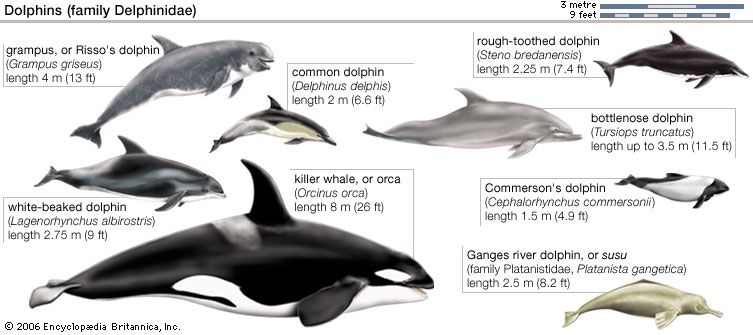
The eight species featured in the list are:
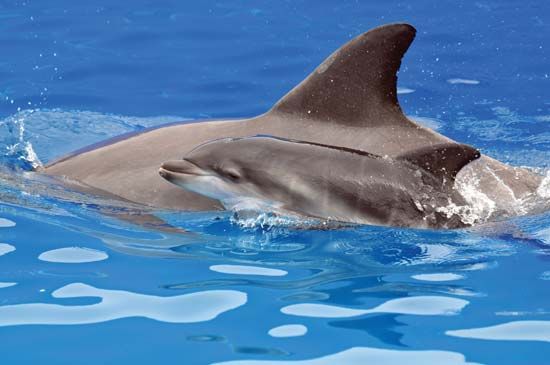
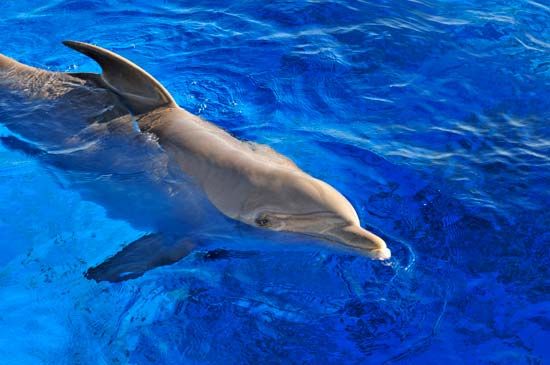
- Bottlenose dolphin: Known for its high intelligence and adaptability to captivity.1
- Common dolphin: A highly social species with large population numbers.1
- Amazon river dolphin: A unique freshwater species that relies on an advanced sonar system.1
- Ganges river dolphin: An endangered species facing significant habitat threats.1
- Commerson’s dolphin: A small, black-and-white species often compared to a panda.1
- Rough-toothed dolphin: Distinguished by its lack of a prominent forehead or “melon”.1
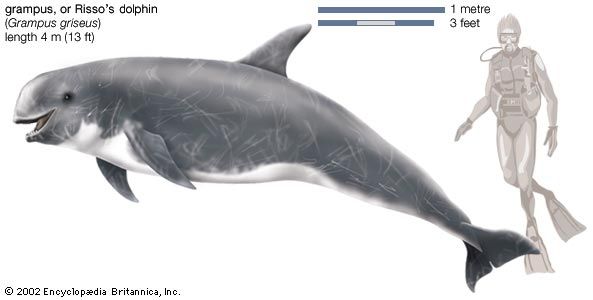
- Risso’s dolphin: One of the largest dolphin species, often covered in scars.1
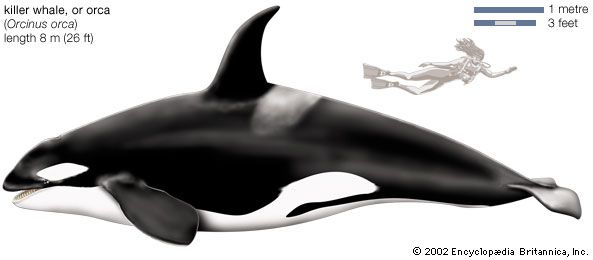
- Killer whale: The largest member of the dolphin family.1
How do dolphins use echolocation to navigate and hunt?
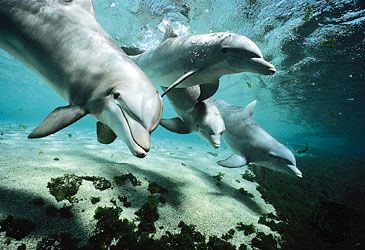
Dolphins, which are members of the toothed whale suborder, utilize echolocation as a sophisticated biological sonar system to navigate and hunt in environments where visibility is poor or absent.456
Mechanism of Echolocation
Dolphins generate sound primarily through their nasal passages and a complex system of air sacs located near the blowhole. These sounds are focused and emitted through a fatty structure in the forehead known as the melon, which acts as an acoustic lens.47
To effectively perceive their surroundings, dolphins produce rapid series of high-frequency clicks, often reaching up to 150,000–200,000 hertz. These high frequencies are essential because sound travels faster in water than in air; higher frequencies provide the short wavelengths necessary for precise object discrimination.47
Navigation and Hunting
By listening to the echoes that bounce off objects, dolphins can derive detailed information about their environment, including the distance, size, and shape of targets. This allows them to:56
- Hunt: Successfully capture prey, such as fish, in total darkness or murky water.4
- Navigate: Detect and avoid obstacles or map their surroundings with an accuracy comparable to human vision.45
- Discriminate: Distinguish between different types of objects, even when their vision is completely excluded.4
What are the main differences between dolphins and porpoises?
Although dolphins and porpoises are both cetaceans and carnivores, they belong to distinct families and exhibit several physical differences.
The primary distinctions between the two include:
- Teeth: Dolphins possess cone-shaped teeth, whereas porpoises have teeth that are shaped like a spade.101
- Snouts and Beaks: Dolphins typically have elongated, beaklike snouts (rostrums). In contrast, porpoises have blunt, shortened snouts and lack a pronounced beak.10111
- Dorsal Fins: A dolphin’s dorsal fin is generally hooked or curved, while a porpoise’s dorsal fin is typically triangle-shaped.101
- Size: Porpoises tend to be smaller than most dolphin species.101
While the term “porpoise” is sometimes used colloquially to describe dolphins, marine biologists maintain a clear distinction between the two groups. Dolphins belong to families such as Delphinidae, while true porpoises belong to the family Phocoenidae.1011
Why are some dolphin species currently at risk of extinction?
Several dolphin species are currently at risk of extinction due to a combination of human-driven environmental pressures and direct exploitation. The International Union for Conservation of Nature (IUCN) classifies species such as the Ganges river dolphin and Indus river dolphin as endangered, while the Atlantic humpbacked dolphin is considered critically endangered.112
The primary threats to these populations include:
- Bycatch: Commercial fishing operations often use large nets that unintentionally capture and kill dolphins. This bycatch is a substantial factor in threatening many cetacean species with extinction, as dolphins are frequently unable to escape these nets.13
- Pollution: Plastic pollution poses a severe risk; dolphins may become entangled in debris or ingest plastic items, which can lead to fatal blockages or the accumulation of toxic chemicals in their tissues. Additionally, agricultural and industrial runoff can create eutrophic “dead zones” where aquatic life cannot survive.1415
- Direct Exploitation: Some dolphins are subject to intentional hunting, such as the annual hunts in Taiji, Japan, and the Faroe Islands. Furthermore, the capture of dolphins for captivity in aquariums and for “swim with the dolphins” programs subjects them to trauma, compromised health, and premature death.16
Sources
- dolphin — Encyclopædia Britannica
- A Dose of Dolphin-Induced Dopamine: 8 Species of Adorable Cetacean — Encyclopædia Britannica
- cetacean - Social behaviour — Encyclopædia Britannica
- sound reception - Echolocation in other mammals — Encyclopædia Britannica
- cetacean - Sound production and communication — Encyclopædia Britannica
- cetacean - Hearing — Encyclopædia Britannica
- Movement perception - Auditory — Encyclopædia Britannica
- Echolocation — Encyclopædia Britannica
- ultrasonics - Ranging and navigating — Encyclopædia Britannica
- 14 Questions About Aquatic Animals Answered - What is the difference between a porpoise and a dolphin? — Encyclopædia Britannica
- 12 Pairs of Commonly Confused Animal Words | Dolphin/Porpoise — Merriam-Webster
- cetacean - Abundance — Encyclopædia Britannica
- dolphin: Top Questions — Encyclopædia Britannica
- water pollution: Top Questions — Encyclopædia Britannica
- March Is Dolphin Awareness Month — Encyclopædia Britannica
- bycatch — Encyclopædia Britannica
- plastic pollution - Plastic pollution in oceans and on land — Encyclopædia Britannica
Published on · 3 min read