Aviculture
Aviculture is the practice of raising and caring for birds in captivity, particularly wild species. This field serves several important purposes, including…
What is Aviculture?
Aviculture is the practice of raising and caring for birds in captivity, particularly wild species. This field serves several important purposes, including the breeding of game stock, educational display, and the conservation of declining species.12
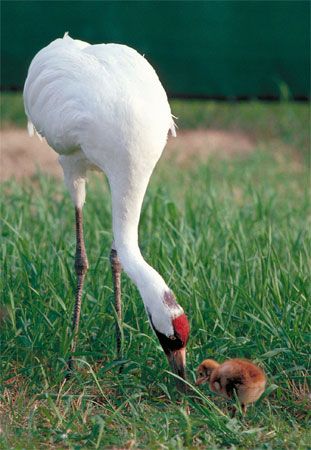
A primary goal of aviculturists is to simulate natural conditions within an aviary, which allows for the study of mating and breeding behaviors that are often difficult to observe in the wild. Through these efforts, many rare or endangered birds have been successfully bred in captivity. Some species, such as the Hawaiian goose and the whooping crane, have even been restored to the wild to bolster their native populations.13
While some aviaries are maintained by private individuals for pleasure, others are found in zoos and research institutions where they facilitate public exhibition and scientific study.3
How does captive breeding help prevent bird extinction?
Captive breeding serves as a vital tool for preventing extinction by providing a secure environment for species that are no longer able to survive in the wild. By bringing individuals into protective custody, conservationists can manage populations, study their behaviors, and ensure they are shielded from threats such as predators, disease, or environmental hazards like lead poisoning.145
Key aspects of this process include:
- Genetic Management: Because captive populations are often small, they are carefully screened to minimize inbreeding and preserve the species’ genetic diversity.1
- Population Growth: Zoos and research facilities provide the space and resources necessary for successful mating and rearing, which can be difficult to observe or achieve in the wild.54
- Restoration: Once a stable population is established, captive-reared animals may be reintroduced into their original habitats to bolster native numbers, as seen with the Hawaiian goose and the whooping crane.564
However, success is not guaranteed; reintroduction requires overcoming significant challenges, such as ensuring the original threats to the species have been mitigated.16
What are the main differences between an aviary and a cage?
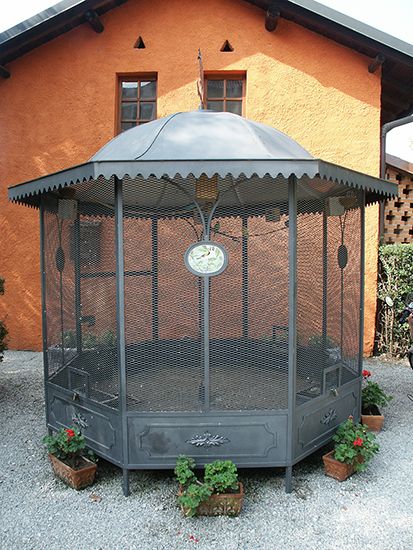
The primary difference between an aviary and a cage lies in their scale and intended purpose. While both serve to confine birds, an aviary is defined by its spaciousness, often being large enough for the aviculturist to enter, whereas a cage is a smaller, more restrictive enclosure designed primarily for confinement.73
Key distinctions include:
- Size and Accessibility: Aviaries can range from small enclosures to massive flight structures reaching 30 meters in length and 15 meters in height. Their size allows for the inclusion of natural, planted surroundings, which are rarely feasible in a standard cage.7
- Function: Aviaries are frequently used in zoos or research institutions to exhibit birds or study their natural behaviors, such as mating and breeding, in a simulated environment. Cages are typically used for keeping individual cage birds in domestic settings.78
- Design: Aviaries often incorporate specific heating and environmental controls to accommodate different species, whereas cages are generally simpler structures focused on containment.7
What challenges do aviculturists face when simulating natural habitats?
Aviculturists face several practical challenges when attempting to simulate natural, planted environments within an aviary. Balancing the needs of the birds with the maintenance of a healthy habitat requires careful management of the following factors:
- Plant Destruction: Large arboreal birds may break plants simply due to their weight, while other species may actively destroy vegetation by consuming the leaves.
- Waste Management: Bird droppings can be ruinous to plant life. Aviculturists must strategically place perches to prevent waste from falling directly onto the foliage.
- Species Compatibility: The density and specific type of birds housed in an enclosure are critical factors. Not all species are compatible with the plants selected for the habitat, necessitating a careful selection process to ensure both the birds and the greenery can coexist.
- Safety and Containment: While natural aesthetics are preferred, the choice of materials is limited by bird safety. For instance, wire is often used instead of glass for walls and roofs because many birds are prone to injuring themselves by flying into glass surfaces.
Sources
- Aviculture — Encyclopædia Britannica
- aviculture — Merriam-Webster
- Aviary — Encyclopædia Britannica
- conservation - Protective custody — Encyclopædia Britannica
- conservation - Introducing species — Encyclopædia Britannica
- Zoo - Function and purpose — Encyclopædia Britannica
- aviary — Merriam-Webster
- birdcage — Merriam-Webster
- cage bird — Merriam-Webster
Published on · 3 min read