Sparrowhawk
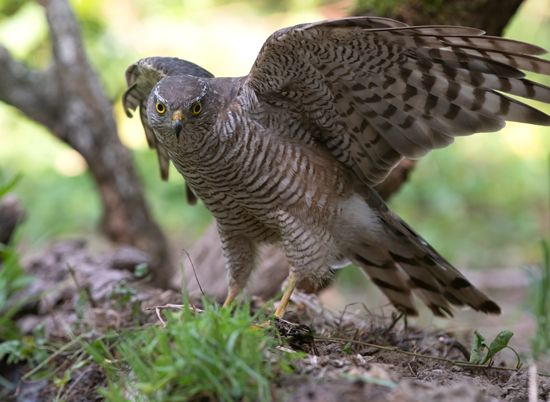
A sparrowhawk is any of various small birds of prey belonging to the genus Accipiter within the family Accipitridae. Often referred to as "true hawks" or…
What is Sparrowhawk?
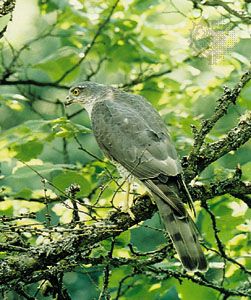
A sparrowhawk is any of various small birds of prey belonging to the genus Accipiter within the family Accipitridae. Often referred to as “true hawks” or “accipiters,” these birds are characterized by their short, rounded wings and long tails, which provide them with excellent maneuverability in wooded environments. They primarily feed on small birds, insects, and small mammals.123
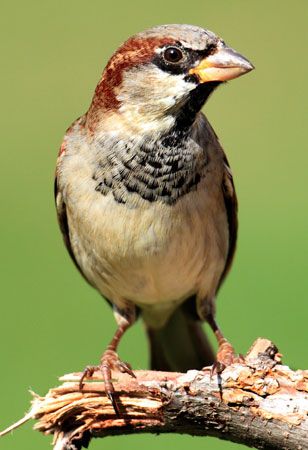
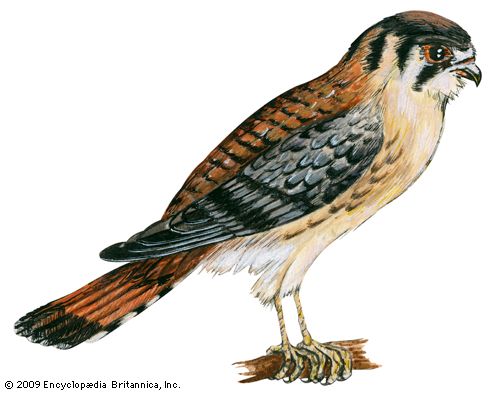
Common species include the Eurasian sparrowhawk, the African little sparrowhawk, and the Levant sparrowhawk (or shikra). In the United States, the term “sparrow hawk” is frequently used to refer to the American kestrel, which is actually a small falcon of the genus Falco rather than a true hawk. Similarly, the Australian kestrel is also sometimes called a sparrow hawk.14
Because of their natural hunting abilities, sparrowhawks have long been used in the sport of falconry, where they are categorized as “shortwings” suited for hunting in enclosed, wooded terrain.3
How do accipiters differ from falcons in their hunting style?
Accipiters and falcons have evolved distinct hunting styles suited to their specific physical builds and ecological niches.
Hunting Strategies
- Accipiters (True Hawks): These birds are built for agility and maneuverability in confined spaces. They possess broad, short wings and long tails, which allow them to navigate dense wooded environments effectively. As “shortwings,” they are natural sprinters that launch from a perch or the fist in an accelerated burst of speed to close in rapidly on their quarry. They are particularly adept at hunting ground game and small birds within these cluttered habitats.516
- Falcons: Known for their streamlined bodies and long, pointed wings, falcons are built for speed and precision in open spaces. They are exceptional hunters that often capture prey in midair. A hallmark of their hunting style is the “stoop”—a high-speed dive that can reach incredible velocities, such as the peregrine falcon’s ability to exceed 300 km (186 miles) per hour to strike prey.57
Falconry Roles
In the sport of falconry, these differences dictate their use:
- Falcons (Longwings): Preferred for hunting birds in flight, often utilizing a “waiting on” style where they climb high to stoop at game flushed below.56
- Accipiters (Shortwings): Utilized for hunting ground game, relying on their explosive speed to pursue prey from a perch or the falconer’s fist.56
What are the main physical differences between male and female hawks?
In many species of hawks, a phenomenon known as sexual dimorphism occurs, where males and females exhibit distinct physical differences. The most notable of these is size: in many hawk species, such as the red-tailed hawk, the female is significantly larger than the male.59
While the sexes often appear similar in plumage—unlike many other bird groups where males are more brightly colored—their size difference is a key characteristic. This size disparity is common among many non-mammalian vertebrates, where females are frequently the larger sex.109
Beyond these physical dimensions, both sexes typically share similar roles in parental care, such as building nests and incubating eggs, though the female often takes on the primary responsibility for incubation in many species.511
Why do some birds of prey hover while hunting?
Birds of prey hover while hunting primarily to maintain a stationary position in the air, allowing them to scan the ground for potential prey with precision. By hovering—often while facing into the wind—a bird can remain focused on a specific area, watching for the movement of small mammals, birds, or large insects below.142
This behavior is a defining characteristic of kestrels, which are sometimes referred to as “windhovers” because of their ability to stay suspended in the air while searching for food. Similarly, other raptors, such as ospreys, have been observed to be highly successful when hunting from a hover, as it provides them with an optimal vantage point to track and time their strike.215
While many birds of prey rely on soaring or gliding to conserve energy, hovering is a specialized hunting technique that enables these birds to effectively hunt in open environments where they can clearly observe the ground.216
Sources
- Sparrowhawk — Encyclopædia Britannica
- Kestrel — Encyclopædia Britannica
- Hawk — Encyclopædia Britannica
- falconry - Types of birds used in falconry — Encyclopædia Britannica
- What are the differences between hawks and falcons? — Encyclopædia Britannica
- Accipiter — Encyclopædia Britannica
- falconry - Hunting and training techniques — Encyclopædia Britannica
- How Much Does a Falcon Eat Each Day? — Encyclopædia Britannica
- Red-tailed hawk — Encyclopædia Britannica
- Sexual dimorphism — Encyclopædia Britannica
- sexual dimorphism — Merriam-Webster
- Did you know? — Merriam-Webster
- Falconiform - Plumage and molt — Encyclopædia Britannica
- Did you know? — Merriam-Webster
- Falconiform - Flapping, soaring , and diving — Encyclopædia Britannica
- How high do birds fly? — Encyclopædia Britannica
- hover — Merriam-Webster
Published on · 3 min read