Plant Reproductive System
The reproductive system of an angiosperm (flowering plant) is primarily organized within the flower, which serves as the site for sexual reproduction. The…
What are the main components of a plant’s reproductive system?
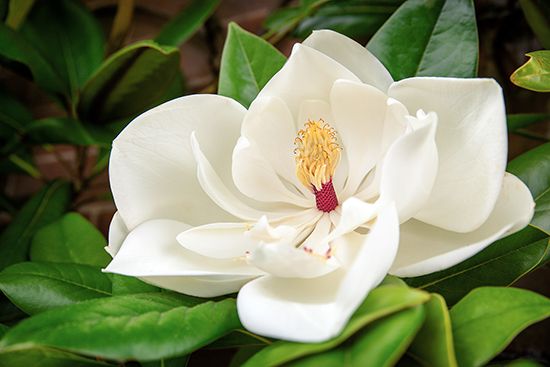
The reproductive system of an angiosperm (flowering plant) is primarily organized within the flower, which serves as the site for sexual reproduction. The main components include:12
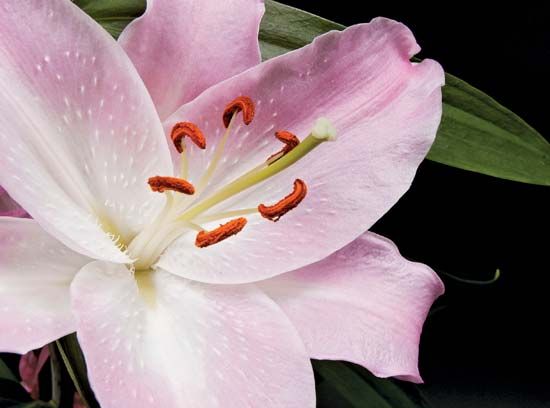
- Stamen (Male Part): Collectively known as the androecium, each stamen consists of a filament (a slender stalk) topped by an anther. The anther contains microsporangia that produce pollen grains, which carry the male gametes.34
- Pistil (Female Part): Collectively referred to as the gynoecium, the pistil is composed of one or more carpels. It typically consists of three parts:
Additionally, the perianth—comprising the calyx (sepals) and corolla (petals)—protects these reproductive structures and often aids in attracting pollinators.14
What is the process of pollination and how does it contribute to plant reproduction?
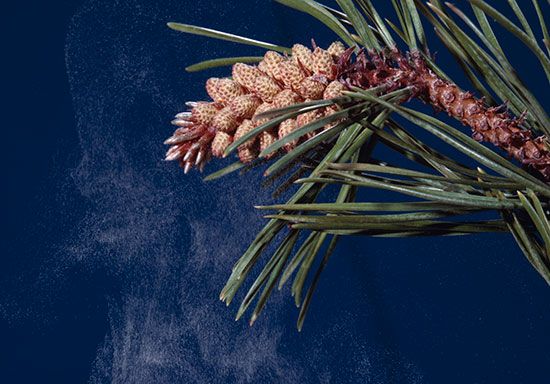
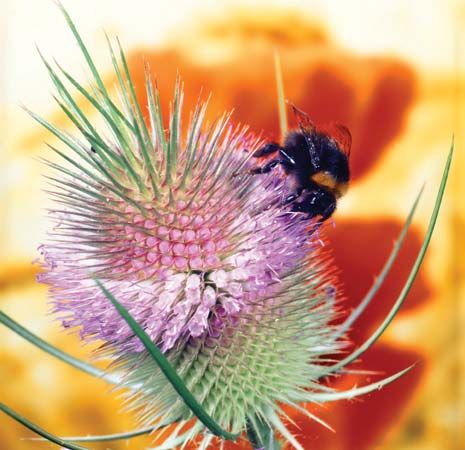
Pollination is the essential process of transferring pollen grains from the stamen to the receptive stigma of a flower. Because plants are sedentary, they rely on external agents—primarily insects, wind, birds, mammals, and water—to facilitate this transport.27
Once pollen lands on the stigma, it germinates and grows a pollen tube down through the pistil toward the ovule. This leads to double fertilization, where one sperm cell fuses with an egg to form an embryo, and another combines with nuclei to create endosperm, the plant’s food tissue. This process transforms the ovule into a seed.27
Pollination can occur via self-pollination or cross-pollination. While selfing is reliable in stable environments, cross-pollination is often preferred as it combines hereditary traits, increasing genetic diversity and improving the survival prospects of the species in changing conditions.87
How do plants reproduce sexually, and what structures are involved?
Sexual reproduction in angiosperms (flowering plants) is a complex process involving the alternation of generations between a diploid sporophyte (the plant body) and a haploid gametophyte.5
Key Reproductive Structures
The flower serves as the primary site for these reproductive events:59
- Male Structures: The stamen (androecium) consists of a filament supporting an anther, which produces pollen grains (microgametophytes).210
- Female Structures: The pistil (gynoecium) is composed of carpels and includes the stigma, style, and ovary, which houses the ovules (megagametophytes).52
The Reproductive Process
- Pollination: Pollen is transferred from the anther to the receptive stigma.53
- Fertilization: The pollen grain germinates, sending a pollen tube down the style to the ovule. Through double fertilization, one sperm cell fuses with an egg to form a zygote, while another fuses with nuclei to form endosperm.53
- Development: The fertilized ovule matures into a seed, and the ovary develops into a fruit.53
What is the significance of seeds in plant reproduction, and how are they dispersed?
Seeds are vital to plant reproduction because they contain the embryo and the genetic material necessary for the next generation. Beyond housing the offspring, seeds are adapted to survive harsh conditions, remaining dormant for periods ranging from days to centuries until environmental conditions—such as light, water, and temperature—are suitable for germination.111213
Seed dispersal is the process of moving seeds away from the parent plant, which is critical for species survival. This movement reduces competition between parent and offspring for resources and sunlight, facilitates the colonization of new areas, and allows for reestablishment following environmental disturbances.11
Plants have evolved diverse mechanisms to disperse their seeds, often categorized by the agent of transport:
- Wind (Anemochory): Seeds may be minute or possess wings and plumules to be carried by air currents.1112
- Water (Hydrochory): Seeds or fruits are often buoyant, allowing them to float to new locations.111214
- Animals (Zoochory): Plants may produce fleshy fruits that animals eat and later deposit, or develop barbs that attach to animal coats.1112
- Mechanical: Some plants can actively project seeds through the air.12
Sources
- Plant reproductive system - Angiosperms — Encyclopædia Britannica
- Pollination — Encyclopædia Britannica
- Stamen — Encyclopædia Britannica
- 5 Fast Facts About Flower Anatomy — Encyclopædia Britannica
- Angiosperm - General features — Encyclopædia Britannica
- Carpel — Encyclopædia Britannica
- Pollination - Types: self-pollination and cross-pollination — Encyclopædia Britannica
- Angiosperm - Pollination — Encyclopædia Britannica
- sexual reproduction — Encyclopædia Britannica
- Plant - Flowers — Encyclopædia Britannica
- Seed dispersal — Encyclopædia Britannica
- Plant - Fruits and seeds — Encyclopædia Britannica
- Angiosperm - Seedlings — Encyclopædia Britannica
- Seed - Dispersal by water — Encyclopædia Britannica
Published on · 3 min read