Charlotte Harbor
The Charlotte Harbor area in southwest Florida was originally inhabited by the Calusa people.
What Native American tribes originally inhabited the Charlotte Harbor area?
The Charlotte Harbor area in southwest Florida was originally inhabited by the Calusa people.1
The Calusa were a powerful maritime society that relied heavily on the sea for their livelihood, crafting tools and weapons from fish bones and seashells. Their territory spanned the southwest coast of Florida, extending from Tampa Bay to the southern tip of the peninsula. The harbor itself was named after them; the Spanish referred to the region as “Carlos,” a corruption of “Calusa,” which was later anglicized to “Charlotte” by the British.21
These indigenous people were known for their fierce defense of their territory, famously repelling the Spanish explorer Juan Ponce de León when he attempted to establish a colony in the area in 1521. Over time, the Calusa faced significant pressure from European colonization and incursions by other tribes, eventually leading to their displacement or integration into other groups like the Seminole.12
Where is Charlotte Harbor located, and what are its main geographical features?
Charlotte Harbor is a shallow inlet of the Gulf of Mexico located on the southwest coast of Florida, situated between Sarasota and Fort Myers.2
The harbor covers approximately 270 square miles (700 square km) and features several distinct geographical and ecological characteristics:2
- River Inflow: The Peace River and the Myakka River flow into the northern end of the harbor.2
- Navigation: A dredged channel supports maritime activity, serving the port of Punta Gorda.2
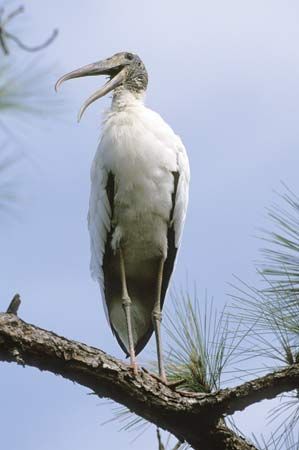
- Ecosystems: The area is defined by extensive mangroves and sea-grass beds, which serve as vital habitats for diverse wildlife, including manatees, dolphins, sea turtles, and wood storks.2
- Conservation: Much of the harbor and its surrounding shoreline are protected within state preserves.2
What types of marine life can be found in Charlotte Harbor?
Charlotte Harbor supports a diverse array of marine life, largely due to its extensive mangrove forests and seagrass beds, which provide critical nursery habitats for many species.24
Common marine life found in the harbor includes:
- Marine Mammals: The area is a known habitat for manatees and dolphins.2
- Reptiles: Various species of sea turtles inhabit the harbor waters.2
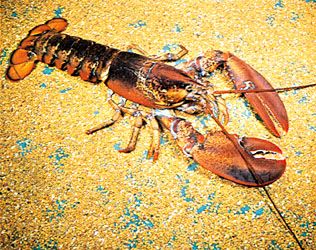
- Fish and Crustaceans: The mangrove root systems serve as essential nurseries for numerous fish, crabs, and shrimp, which are vital to the local biodiversity.4
- Birds: The region provides a home for wood storks, among other avian species that rely on the harbor’s protected shoreline.2
Because these ecosystems are so interconnected, the health of the harbor’s water quality—often maintained by the filtering action of mangrove roots—is essential for the survival of these diverse populations.4
How did Charlotte Harbor get its name, and what is its historical significance?
Charlotte Harbor derives its name from a series of linguistic shifts. It was originally named for the Calusa people who inhabited the region. Over time, corruptions of the name “Calusa” evolved into the Spanish “Carlos,” which the British later changed to “Charlotte” in honor of the wife of King George III.2
The harbor holds significant historical importance as a site of early European contact. In 1521, the Spanish explorer Juan Ponce de León attempted to establish a colony in the area. However, his efforts were thwarted by the Calusa, who resisted the intrusion; Ponce de León was wounded during the conflict and subsequently died in Cuba later that year. Today, the harbor and much of its surrounding shoreline are protected within state preserves, serving as an important ecological site.2
Sources
- Calusa — Encyclopædia Britannica
- Charlotte Harbor — Encyclopædia Britannica
- North Carolina - Before European contact — Encyclopædia Britannica
- mangrove: Top Questions — Encyclopædia Britannica
- Charleston — Encyclopædia Britannica
Published on · 3 min read