Chilika Lake
Chilika Lake is a prominent lake and lagoon located in the state of Odisha in eastern India. Separated from the Bay of Bengal by a narrow spit, it is one of…
What is Chilika Lake?
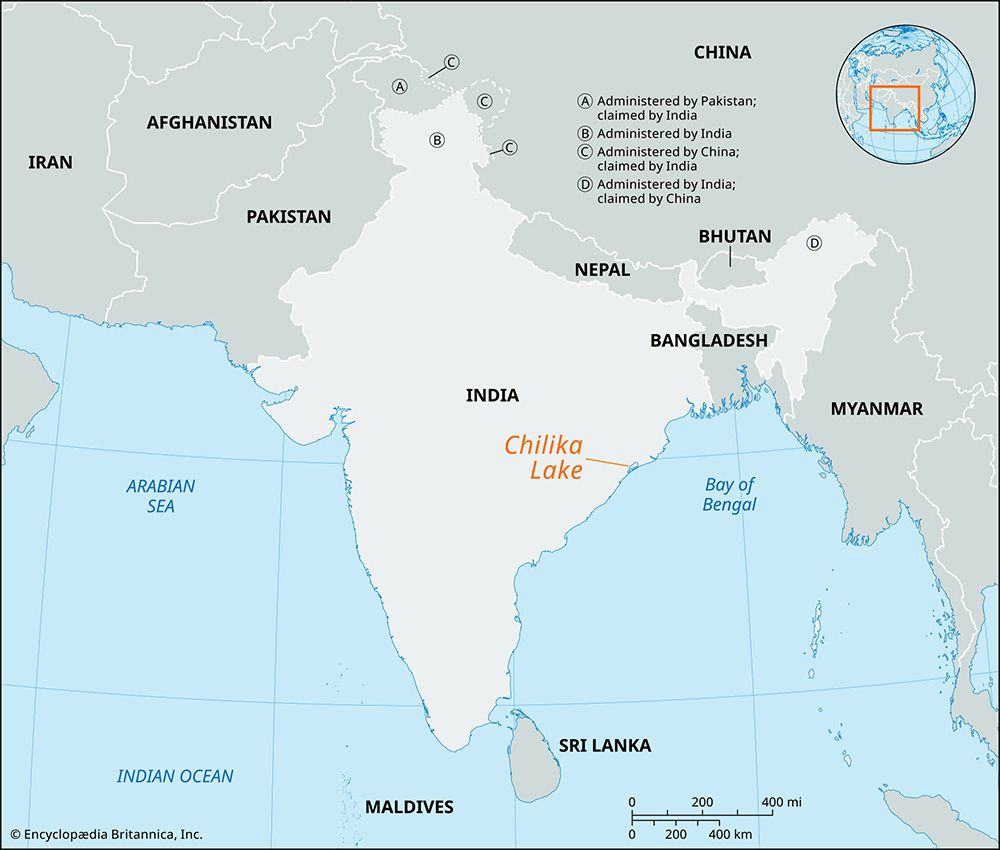
Chilika Lake is a prominent lake and lagoon located in the state of Odisha in eastern India. Separated from the Bay of Bengal by a narrow spit, it is one of the largest saltwater lakes in the country.1
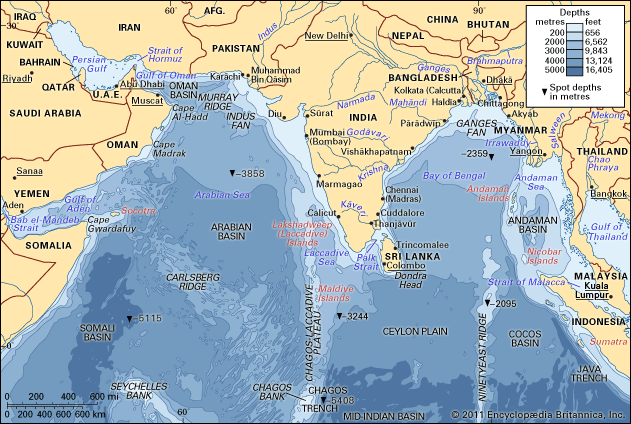
The lake spans approximately 40 miles (65 km) in length and reaches depths of about 6 feet (2 meters). It is fed by the Daya and Bhargavi rivers, though saline ocean water enters the basin during the dry season. Historically a bay of the ocean, the lake was formed through siltation caused by monsoon tides.1
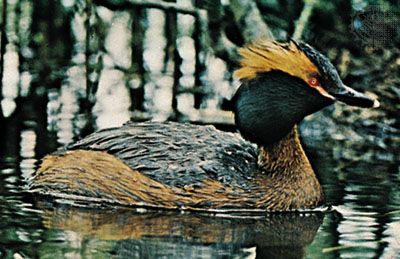
Chilika Lake serves as a vital ecological site, functioning as a sanctuary and winter stopover for migratory birds arriving from as far as Siberia. It is also a significant breeding ground for various fish and waterfowl, supporting local industries such as fishing and salt production.12
Why do migratory birds travel to Chilika Lake from as far as Siberia?
Migratory birds travel to Chilika Lake from regions as distant as Siberia primarily to escape harsh winter conditions and secure necessary resources. While the provided search results do not explicitly detail the specific ecological advantages of Chilika Lake for Siberian migrants, they clarify that migration is driven by a combination of internal physiological preparation and external environmental cues.13
As winter approaches in northern latitudes, birds face dwindling food supplies and plummeting temperatures. In response, their bodies undergo metabolic changes—often controlled by the endocrine system—to accumulate fat, which provides the energy required for long-distance flight. Birds rely on these physiological shifts, triggered by decreasing day length and environmental factors like cold weather, to initiate their journey toward warmer locales where food is more readily available. Chilika Lake serves as a vital sanctuary and winter stopover, offering a hospitable environment for these birds to survive the winter months.314
How does the salinity of the lake change throughout the year?
The salinity of Chilika Lake fluctuates significantly throughout the year due to the interplay between freshwater inflow and tidal activity.
- Monsoon and Post-Monsoon Season: During the wetter months, the lake is primarily fed by the Daya and Bhargavi rivers. This influx of freshwater dilutes the water, significantly lowering its salinity levels.1
- Dry Season (December to June): As river discharge decreases, the lake’s connection to the Bay of Bengal becomes the dominant influence. During this period, saline ocean water enters the basin through a small passage, causing the salinity of the lake to rise.1
This seasonal variation creates a dynamic brackish environment that supports a diverse range of aquatic life, including various species of fish, crabs, and prawns.1
What other major wetlands or lagoons are found in India?
India features a variety of significant wetlands, lagoons, and lakes that serve as vital ecological hubs. Beyond Chilika Lake, other notable examples include:
- Pulicat Lake: Located on the eastern coastal plain, this is one of India’s largest lagoons, formed by sediment deposition along the shoreline.5
- Wular Lake: Situated in Jammu and Kashmir, this tectonic depression is the largest natural freshwater lake in India.1
- Sambhar Salt Lake: Located in the arid region of Rajasthan, this is the largest lake in India and a prominent example of an ephemeral salt lake.1
- Rann of Kachchh: These extensive tidal marshes in Gujarat include the Great and Little Rann, which become seasonally inundated, effectively turning the peninsula into an island.5
Additionally, India’s coastal regions, particularly along the Malabar Coast, are characterized by numerous lagoons and brackish backwater channels. While many of India’s large water bodies are artificial reservoirs created by damming rivers—such as the Hirakud or Nagarjuna Sagar—the natural wetlands remain critical for biodiversity and ecosystem health.567
Sources
- Chilika Lake — Encyclopædia Britannica
- Odisha - Plant and animal life — Encyclopædia Britannica
- Migration - Physiological stimulus of migration — Encyclopædia Britannica
- How do birds know when to fly south? — Encyclopædia Britannica
- India - Lakes and inland drainage — Encyclopædia Britannica
- India - Coastal areas — Encyclopædia Britannica
- Wetland - Wetland management — Encyclopædia Britannica
- Wetland - Wetland functions and ecosystem benefits — Encyclopædia Britannica
- water infrastructure in India - Reservoirs — Encyclopædia Britannica
- water infrastructure in India - Major sources of water — Encyclopædia Britannica
Published on · 3 min read