Cordillera
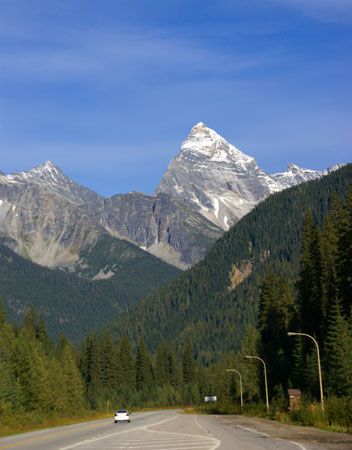
A cordillera is a system of mountain ranges, typically consisting of several more or less parallel chains. The term is derived from the old Spanish word…
What is cordillera?
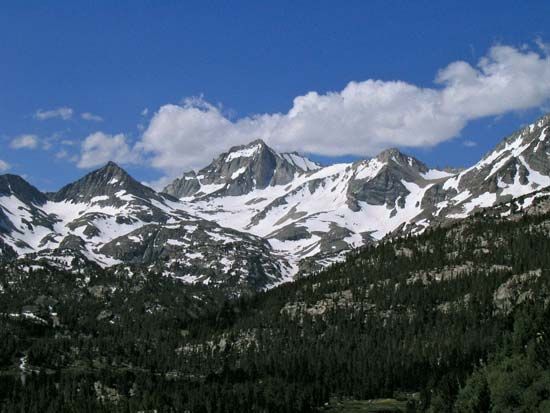
A cordillera is a system of mountain ranges, typically consisting of several more or less parallel chains. The term is derived from the old Spanish word cordilla, meaning “cord” or “little rope”.1
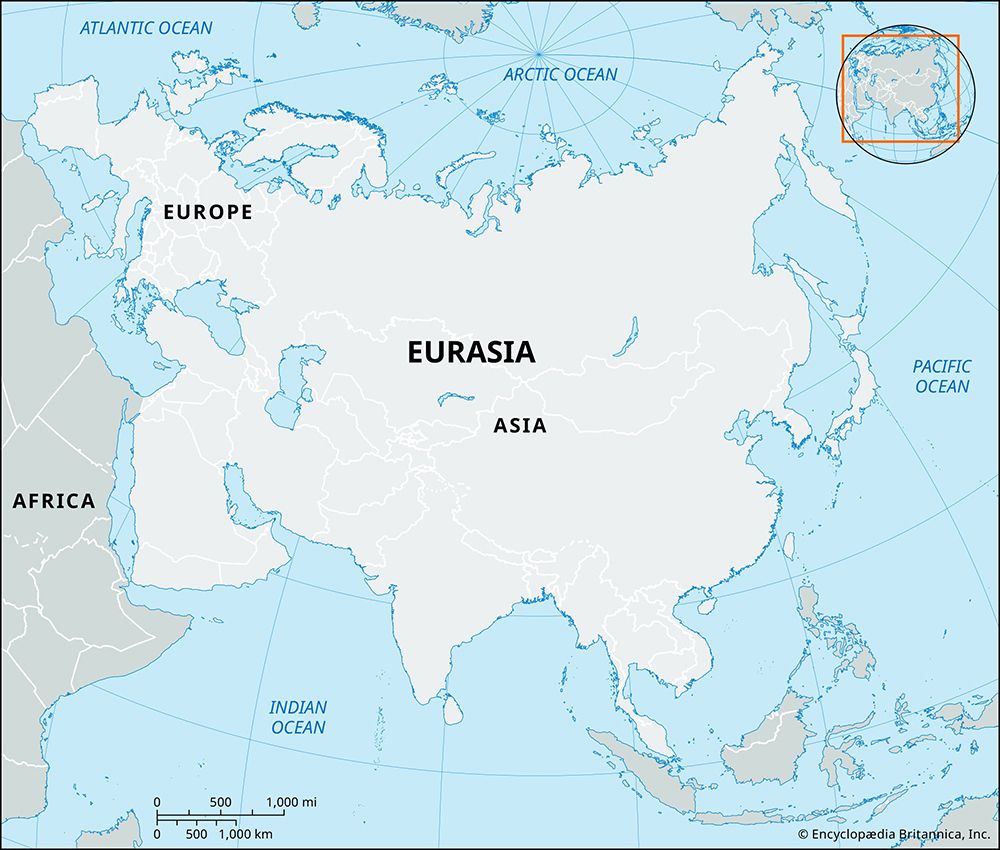
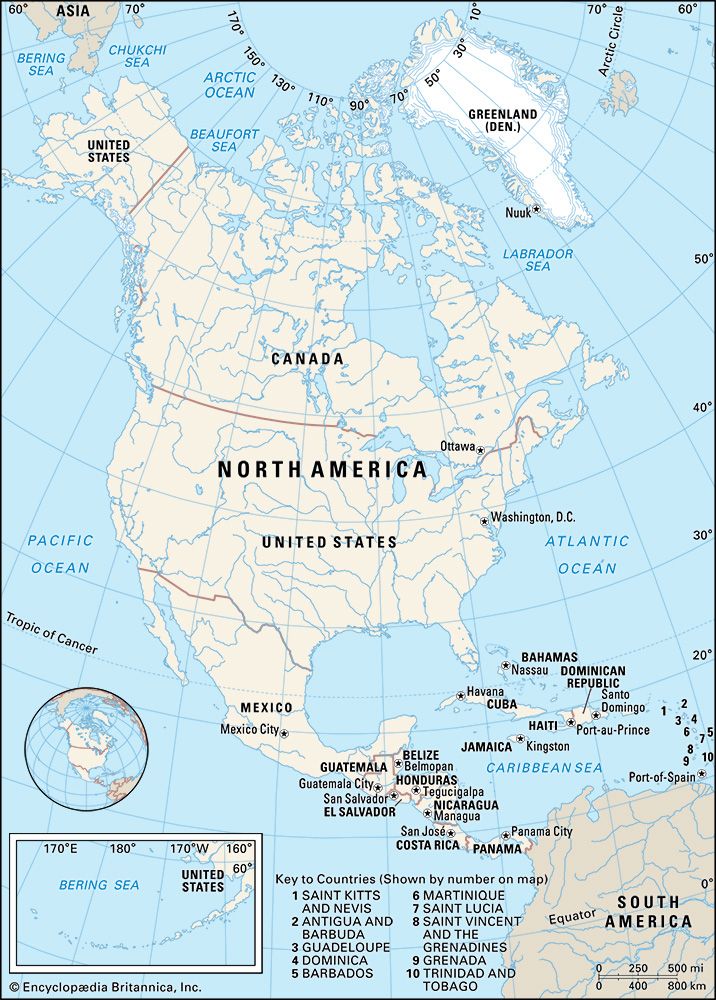
These extensive geological features are prominent in the Americas and Eurasia. In North America, the term collectively refers to the Rocky Mountains, the Sierra Nevadas, and the various ranges situated between them. In South America, the term is frequently used with directional modifiers—such as Cordillera Oriental—to distinguish the specific chains that comprise the Andes Mountains as they span countries like Colombia, Venezuela, and Bolivia1.12
Geologically, these systems often form along the margins of continents, where tectonic plate interactions lead to the shearing and accretion of crustal material or the development of volcanic arcs.3
How do tectonic plates contribute to the formation of mountain systems?
Mountain systems, or orogenic belts, are primarily formed through the interaction of lithospheric plates at convergent margins. These processes reshape the Earth’s surface through three main mechanisms:
- Subduction: As an oceanic plate descends into the asthenosphere, it triggers volcanic activity and crustal uplift. Water released from the subducting slab lowers the melting temperature of the overlying mantle, creating volcanic arcs like the Andes or the Cascades.78
- Terrane Accretion: Small crustal fragments, island chains, and oceanic ridges—collectively known as terranes—can be sheared off a subducting plate and fused onto the edge of a continent. This process was instrumental in developing the North American Cordillera.910
- Continental Collision: When two large continents converge, subduction eventually terminates, leading to intense horizontal crustal shortening and thickening. This process creates massive mountain belts such as the Himalayas and the Alps.911
These mechanisms often occur in combination, resulting in complex mountain belts characterized by folding, faulting, and significant elevation gains.1211
What is the difference between a single mountain range and a cordillera?
The primary difference between a single mountain range and a cordillera lies in their scale and complexity.
- Mountain Range: A mountain range is a series of mountains or ridges connected by high ground and separated from other areas by valleys or lower terrain. While they often form elongated chains, they represent a single structural or physiographic unit. For example, the Rocky Mountains are composed of at least 100 separate ranges, each with distinct geological origins and characteristics.113
- Cordillera: A cordillera is a larger, more complex system that encompasses multiple mountain ranges, often running in parallel chains. It acts as a collective “backbone” for a vast region. The term, derived from the Spanish word for “little rope,” describes the broader, integrated system of ranges and the high-elevation plateaus or valleys situated between them.14131
In short, while a mountain range is a specific chain of peaks, a cordillera is the overarching, multi-range system that dominates a continental landscape.1413
How does the American Cordillera influence the climate of the regions it crosses?
The American Cordillera, a vast system of mountain ranges stretching along the western edge of the Americas, acts as a formidable barrier that profoundly shapes regional climates through several key mechanisms:
- Orographic Precipitation and Rain Shadows: As prevailing winds—particularly the mid-latitude westerlies—encounter these high mountain barriers, they are forced to rise. This cooling process causes moisture to condense, resulting in heavy orographic precipitation on the windward slopes. Conversely, the air that descends on the leeward side is dry, creating a rain shadow that leads to arid or semiarid conditions in regions like Patagonia and the interior of North America.16171819
- Atmospheric Blocking: The Cordillera functions as a physical obstacle to atmospheric flow. It blocks cold air from the continental interior from moving westward, which helps maintain milder, more maritime climates along the western coasts of North and South America compared to their respective continental interiors.16
- Vertical Climatic Zonation: Within the mountains themselves, altitude creates distinct microclimates. Temperatures drop significantly with elevation, leading to a transition from warm, humid foothills to temperate mid-levels, and eventually to cold, polar-like conditions at the highest peaks.1720
Sources
- cordillera — Encyclopædia Britannica
- North America - The Cordilleras — Encyclopædia Britannica
- North America - Mesozoic and Cenozoic orogenic belts — Encyclopædia Britannica
- Andes Mountains - Physiography of the Northern Andes — Encyclopædia Britannica
- cordilleras — Merriam-Webster
- cordillera — Merriam-Webster
- plate tectonics - Mountains by subduction — Encyclopædia Britannica
- plate tectonics - Mountain building — Encyclopædia Britannica
- mountain - Volcanic structures along subduction zones — Encyclopædia Britannica
- plate tectonics - Principles of plate tectonics — Encyclopædia Britannica
- mountain - Crustal shortening — Encyclopædia Britannica
- mountain - Mountain belts associated with crustal shortening — Encyclopædia Britannica
- mountain — Encyclopædia Britannica
- Rocky Mountains — Encyclopædia Britannica
- mountain - Geomorphic characteristics — Encyclopædia Britannica
- Atmosphere - Mountain barriers — Encyclopædia Britannica
- South America - Factors influencing climate — Encyclopædia Britannica
- Orographic precipitation — Encyclopædia Britannica
- Andes Mountains - Climate — Encyclopædia Britannica
- rain shadow — Merriam-Webster
- North America - Climate — Encyclopædia Britannica
Published on · 3 min read