Cristal Mountains
The Cristal Mountains are a chain of low mountains that run parallel to the Atlantic coast of west-central Africa. This mountain range extends across several…
What is Cristal Mountains?
The Cristal Mountains are a chain of low mountains that run parallel to the Atlantic coast of west-central Africa. This mountain range extends across several countries, including Equatorial Guinea, Gabon, the Republic of the Congo, the Democratic Republic of the Congo, and Angola.1
In Gabon specifically, the Cristal Mountains are characterized by their location in the western and northern parts of the country, where they have been dissected by river systems from the western plateau escarpment into a distinct upland area.2
What kind of wildlife lives in the Cristal Mountains?
The Cristal Mountains are located within a region largely defined by dense equatorial rainforests, particularly in countries like Gabon. While specific wildlife data for the Cristal Mountains range itself is not explicitly detailed in the provided records, the surrounding rainforest ecosystems are known to support a diverse array of species.31
These habitats are home to:
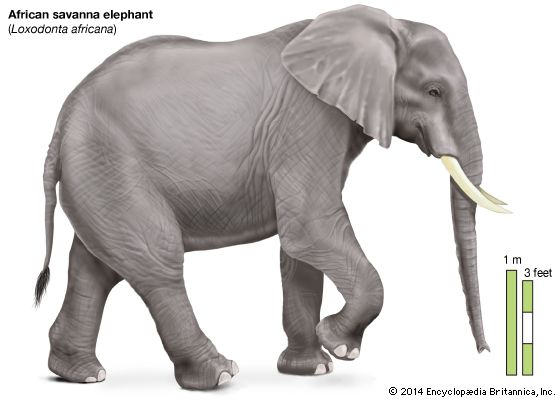
- Mammals: Including elephants, gorillas, monkeys, and various species of antelope.3
- Birds: A wide variety of tropical bird species.3
The region’s dense vegetation, which includes over 3,000 plant species such as the okoumé tree, provides the essential cover and resources necessary to sustain these animal populations.3
How do these mountains affect the climate of Gabon?
The Cristal Mountains influence the climate of Gabon primarily through their role in topography and precipitation. While the broader region experiences an equatorial climate characterized by consistent warmth and high humidity, the presence of highlands like the Cristal Mountains is a critical factor in generating orographic rainfall.21
Mountains generally act as barriers to moisture-bearing winds. As air masses are forced to rise over these elevations, they cool and condense, leading to increased cloud cover and precipitation on the windward slopes. This process is a significant contrast to lowland areas, where the absence of such highlands can deprive a region of this specific type of rainfall.14
In the context of Gabon, the Cristal Mountains—along with other features like the Chaillu Massif—contribute to the complex relief that helps shape local weather patterns, ensuring that these upland areas remain distinct from the coastal plains.2
What are the major rivers that flow through this region?
The river systems of Gabon are essential to the country’s geography and economy, serving as vital transportation routes and sources of power. The major rivers include:
- Ogooué River: The most significant river in Gabon, it drains through the interior and is navigable from the Atlantic Ocean to Ndjolé, a distance of 150 miles (240 km). It is a primary route for floating logs from the interior to the coast.26
- Como and Mbeï Rivers: These rivers rise in the Cristal Mountains and flow into the Gabon Estuary. The Mbeï River is particularly notable for the dam at Kinguélé, which provides hydroelectric power to the region.6
- Abanga and Nyanga Rivers: These rivers are also utilized for transporting timber downstream from the interior.6
- Woleu River: Known as the Mbini River in neighboring Equatorial Guinea, this river flows through the northern part of the region.7
- Kié (Kyé) River: This river forms part of the border between Gabon and Equatorial Guinea.7
Sources
- Cristal Mountains — Encyclopædia Britannica
- Gabon - Relief and drainage — Encyclopædia Britannica
- Gabon - Plant and animal life — Encyclopædia Britannica
- Africa - Climatic regions — Encyclopædia Britannica
- East African mountains - Climate — Encyclopædia Britannica
- Gabon Estuary — Encyclopædia Britannica
- Gabon - Transportation — Encyclopædia Britannica
- Equatorial Guinea - Continental Equatorial Guinea — Encyclopædia Britannica
- Rocky Mountains - Physiography — Encyclopædia Britannica
Published on · 2 min read