Do Platypuses Glow Under UV Light?
Yes, platypuses do glow under ultraviolet light. This phenomenon is known as biofluorescence, a process where an animal absorbs light at one wavelength and…
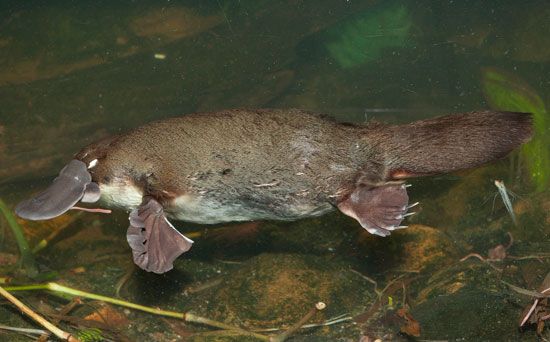
Do platypuses glow under UV light?
Yes, platypuses do glow under ultraviolet light. This phenomenon is known as biofluorescence, a process where an animal absorbs light at one wavelength and emits it at a longer, visible wavelength.1
When exposed to UV light, platypus fur glows a distinct bluish green. This trait was first identified in museum specimens and later confirmed in wild individuals, indicating it is not an artifact of preservation. While the exact purpose of this glow remains under investigation, researchers hypothesize that it may assist with camouflage against predators that can detect UV radiation or potentially aid in communication between individuals during their active hours at twilight and night.1
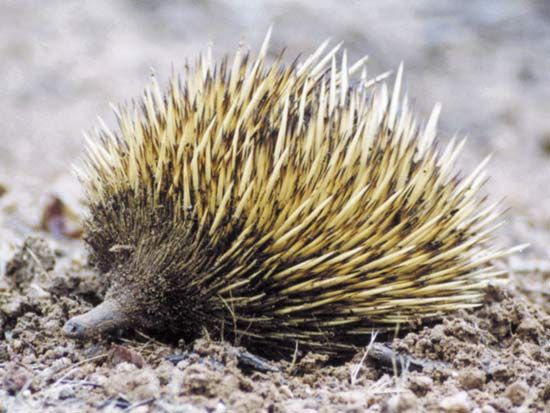
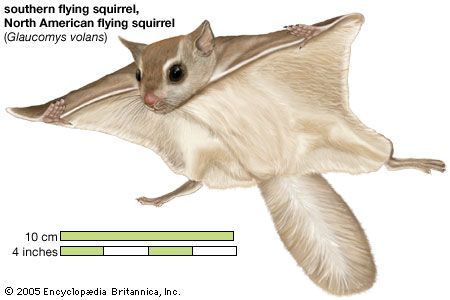
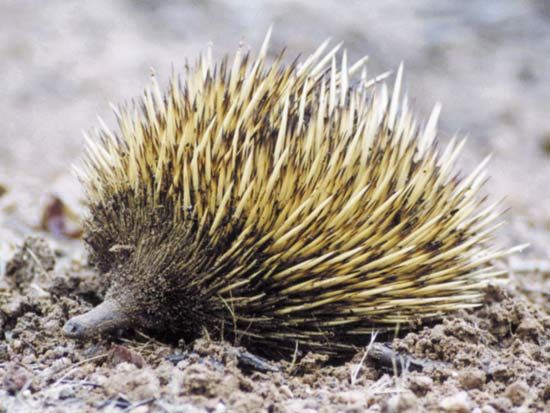
Platypuses are not unique in this regard; biofluorescence has also been observed in other mammals, including opossums, flying squirrels, echidnas, and wombats, leading scientists to suggest it may be an ancestral mammalian trait.1
What is the difference between biofluorescence and bioluminescence?
While both biofluorescence and bioluminescence result in light emission by living organisms, they are fundamentally different processes.
Bioluminescence
Bioluminescence is a form of chemiluminescence where an organism produces its own light through a chemical reaction. This process typically involves the oxidation of a light-emitting molecule called luciferin in the presence of an enzyme known as luciferase. Because this reaction converts chemical energy directly into radiant energy with very little heat, it is often referred to as “cold light”. Common examples include fireflies, certain bacteria, and various marine organisms.2314
Biofluorescence
Biofluorescence is not a chemical process. Instead, it occurs when an organism absorbs light of a shorter wavelength—such as ultraviolet (UV) light—and re-emits it at a longer, visible wavelength. The organism essentially acts as a filter, glowing only when exposed to an external light source. This trait has been observed in platypuses, echidnas, and wombats, among others.5
Feature
Bioluminescence
Biofluorescence
Mechanism
Chemical reaction (oxidation)
Absorption and re-emission of light
Energy Source
Internal chemical energy
External light source (e.g., UV)
Requirement
Luciferin and luciferase
External light source
We could dive deeper into the evolutionary advantages of these light-producing traits or explore how they are used in scientific research.
What are some other examples of mammals that exhibit biofluorescence?
Beyond the platypus, several other mammals have been documented exhibiting biofluorescence. This trait has been observed across diverse mammalian groups, leading researchers to hypothesize that it may be an ancestral characteristic of the class Mammalia.1
Examples of other biofluorescent mammals include:
- Opossums: These marsupials were among the first mammals identified with this ability.1
- Flying squirrels: These placental mammals also display the trait under ultraviolet light.1
- Echidnas: Like the platypus, these monotremes exhibit biofluorescence.1
- Wombats: This marsupial species has also been reported to glow when exposed to UV light.1
The prevalence of this trait across such varied species suggests that biofluorescence may serve functional roles, such as aiding in camouflage against predators that perceive UV radiation or facilitating communication between individuals during nocturnal or twilight activity.1
Why do scientists think biofluorescence might be an ancestral trait?
Scientists suspect that biofluorescence may be an ancestral trait in mammals primarily because of its widespread occurrence across diverse mammalian lineages. The trait has been documented in monotremes (such as the platypus and echidna), marsupials (such as opossums and wombats), and placental mammals (such as flying squirrels).1
Because these groups represent the three major branches of the mammalian family tree, the presence of biofluorescence in such varied species suggests that the ability to glow under ultraviolet light may have been present in their common ancestor rather than evolving independently in each group.1
Sources
- Do platypuses glow under UV light? — Encyclopædia Britannica
- Bioluminescence: Top Questions — Encyclopædia Britannica
- Bioluminescence — Encyclopædia Britannica
- luciferase — Encyclopædia Britannica
- chemiluminescence: Top Questions — Encyclopædia Britannica
- chemiluminescence — Encyclopædia Britannica
Published on · 3 min read