Do Sharks Really Die If They Stop Swimming?
The belief that all sharks die if they stop swimming is a common misconception. Whether a shark must remain in motion depends on its specific method of…
Do Sharks Really Die if They Stop Swimming?
The belief that all sharks die if they stop swimming is a common misconception. Whether a shark must remain in motion depends on its specific method of respiration.12
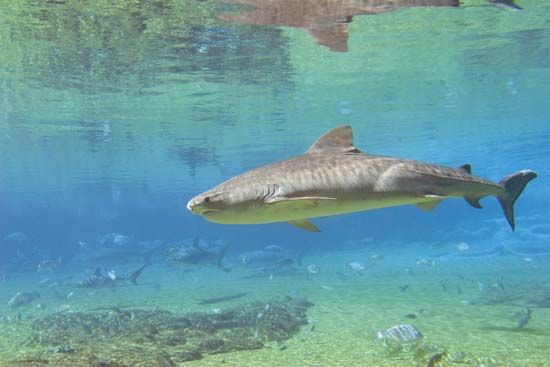
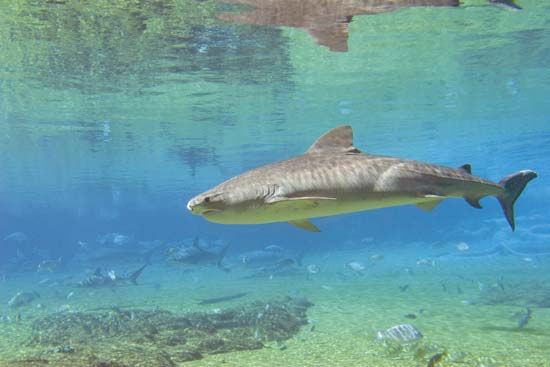
- Buccal Pumping: Species like the nurse shark and tiger shark use cheek muscles to actively draw water over their gills. These sharks can rest stationary on the ocean floor, sometimes using spiracles to breathe while their mouths are covered.12
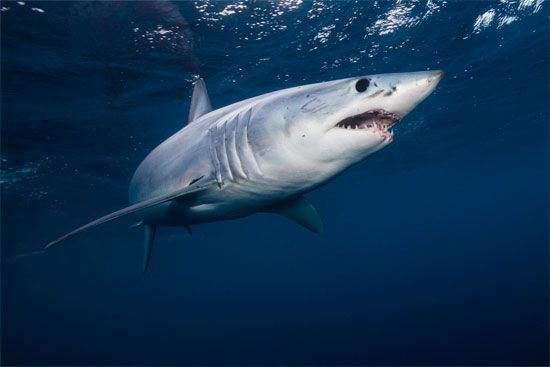
- Obligate Ram Ventilation: Species such as the great white shark, whale shark, and mako shark lack the muscles for buccal pumping. They must swim with their mouths open to force oxygenated water through their gills; if they stop, they will suffocate.12
- Combination: Many sharks use both methods, allowing them to rest while stationary, though they may not be as adept at it as those that rely solely on buccal pumping.1
Most shark species are capable of stopping without dying. Would you like to explore how these different breathing methods affect the way sharks sleep?1
What are spiracles and how do they help sharks breathe?
Spiracles are specialized respiratory openings located behind the eyes of certain elasmobranch fishes, such as rays, skates, and some sharks like angel sharks.13
These structures serve as an alternative pathway for water intake during respiration. For sharks that use buccal pumping—a method where cheek muscles actively draw water into the mouth—spiracles are particularly useful when the shark’s mouth is covered or buried in the sand. In these instances, the shark can continue to pull oxygenated water through the spiracles and over its gills while remaining stationary on the ocean floor.1
In many rays, water is taken in primarily through the spiracles, which are equipped with a valve to prevent backflow. Some species, including stingrays and guitarfishes, can even reverse the flow of water through these openings to clear away foreign matter.4
How do sharks rest if they do not sleep like humans?
Sharks do not experience sleep in the traditional sense, as they lack eyelids and cannot close their eyes. Instead, they enter a state of deep rest characterized by decreased responsiveness and minimal movement, while remaining partially alert to their surroundings.25
The method of resting depends on the shark’s respiratory needs:
- Stationary Rest: Species that use buccal pumping or spiracles to breathe—such as nurse sharks, wobbegongs, and lemon sharks—can remain still on the ocean floor. During this time, their pupils continue to monitor nearby movement, ensuring they remain aware of potential threats.21
- Active Rest: Obligate ram ventilators, such as the great white shark, must keep moving to force water over their gills. Observations have shown these sharks can enter a catatonic-like state while drifting in currents, allowing them to rest while maintaining the necessary flow of oxygenated water.21
What are the main differences between bony fish and sharks?
Bony fish and sharks (which are cartilaginous fish) exhibit several fundamental biological differences. The most significant distinctions include:
- Skeleton Composition: As their name implies, bony fish have skeletons composed primarily of true bone. In contrast, sharks belong to the class Chondrichthyes, meaning their skeletons are made of cartilage, which is lighter and more flexible than bone.67
- Buoyancy Control: Most bony fish possess a swim bladder, an internal gas-filled organ that helps them maintain buoyancy at different depths. Sharks lack this organ entirely and must rely on other methods, such as their large, oil-rich livers and constant movement, to avoid sinking.689
- Gill Structure: Bony fish typically have a single, movable bony cover called an operculum that protects their gills. Sharks have five to seven external gill slits that are not covered by a single plate.697
- Scales: Bony fish usually have overlapping, bony plates that grow throughout the fish’s life. Sharks have placoid scales, also known as dermal denticles, which are structurally similar to teeth and do not grow in size; instead, new scales form as the shark grows.6107
- Reproduction: While many bony fish use external fertilization by releasing eggs and sperm into the water, sharks utilize internal fertilization, often employing specialized organs called claspers to transfer sperm.6117
Sources
- Do Sharks Really Die if They Stop Swimming? — Encyclopædia Britannica
- Do Sharks Sleep? — Encyclopædia Britannica
- chondrichthyan - Respiration — Encyclopædia Britannica
- spiracle — Encyclopædia Britannica
- How do fish sleep? — Encyclopædia Britannica
- bony fish — Encyclopædia Britannica
- How do fish reproduce? — Encyclopædia Britannica
- chondrichthyan - Distinguishing features — Encyclopædia Britannica
- Respiratory system - Fishes — Encyclopædia Britannica
- Integument - Fishes — Encyclopædia Britannica
- muscle - Jawed fishes — Encyclopædia Britannica
- swim bladder — Encyclopædia Britannica
- fish - The respiratory system — Encyclopædia Britannica
Published on · 3 min read