Do Whales Sleep?
Yes, whales do sleep, though their process differs significantly from that of humans. Because breathing is a conscious activity for cetaceans, they cannot…
Do whales sleep?
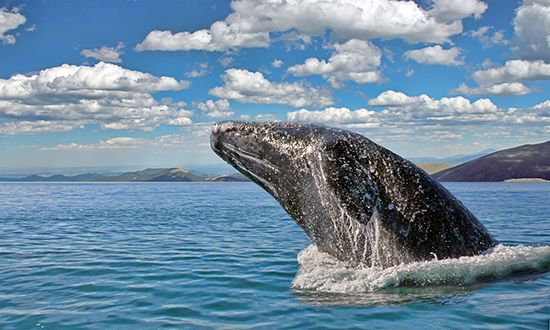
Yes, whales do sleep, though their process differs significantly from that of humans. Because breathing is a conscious activity for cetaceans, they cannot afford to become completely unconscious, as they would risk drowning1.1
To survive, whales utilize a process called unihemispheric slow-wave sleep. During this state, one hemisphere of the brain remains active while the other rests. This allows the whale to maintain enough awareness to surface for air and monitor its surroundings for potential threats.21
Large whales often exhibit surface-sleeping behavior, where they float horizontally just below the water’s surface. They periodically move their flukes to rise above the water to breathe while maintaining this state of partial rest. This unique adaptation ensures they remain alert and capable of regulating their breathing throughout their rest periods.21
What are other examples of animals that use unihemispheric sleep?
Beyond whales, other cetaceans also utilize unihemispheric slow-wave sleep to survive. Specifically, dolphins are well-documented examples of this behavior.1
Because breathing is a conscious, voluntary action for these marine mammals, they cannot enter a state of total unconsciousness without risking drowning. By shutting down only one hemisphere of the brain at a time, dolphins and other cetaceans maintain the ability to:12
- Regulate their breathing by signaling when to rise to the surface.12
- Monitor their environment for potential predators or obstacles.12
- Remain active enough to navigate their surroundings while resting.12
This evolutionary adaptation ensures that these animals can achieve necessary rest without compromising their safety or their need to breathe.1
How do whales protect themselves from predators while sleeping?
Whales protect themselves from predators while sleeping primarily through a physiological adaptation known as unihemispheric slow-wave sleep. Because whales must remain conscious to breathe and avoid drowning, they do not enter a state of total unconsciousness. Instead, they shut down only one hemisphere of the brain at a time, allowing the other half to remain alert to monitor their surroundings for potential threats and obstacles.12
When resting, many large whales engage in surface-sleeping, where they float horizontally just below the water’s surface. This position allows them to periodically move their flukes to rise for air while maintaining the necessary level of alertness to detect danger.12
Should a threat arise, cetaceans are also capable of active defense. While they can utilize behaviors like biting, ramming, or head-butting, their primary weapon for self-defense is the tail. When cornered, whales can slash sideways with their flukes, a powerful maneuver capable of incapacitating even larger predators or threats.4
Do other marine mammals like seals sleep differently than whales?
Yes, seals sleep differently than whales. While whales and other cetaceans must utilize unihemispheric slow-wave sleep—keeping half of their brain awake to consciously manage breathing and avoid drowning—seals do not share this specific physiological constraint.16
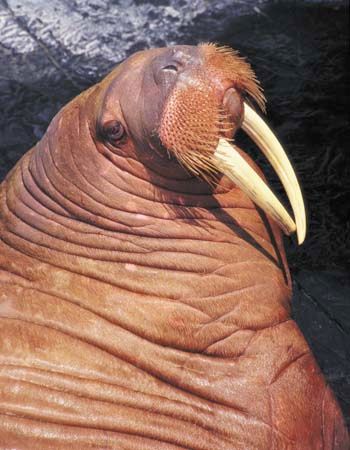
Unlike cetaceans, which are fully aquatic, seals are pinnipeds that spend significant time on land or ice. Because they are capable of breathing automatically while on land, they do not require the same unihemispheric adaptation to survive sleep. While their aquatic behavior differs significantly from whales—such as their inability to rotate their hind flippers to walk on land, forcing them to move by flopping on their bellies—their ability to rest is not restricted by the constant, conscious need to surface for air that defines the sleep patterns of whales and dolphins.126
Sources
- Do whales sleep? — Encyclopædia Britannica
- cetacean - Sleep — Encyclopædia Britannica
- Do animals dream? — Encyclopædia Britannica
- cetacean - Aggression and defense — Encyclopædia Britannica
- What do whales eat? — Encyclopædia Britannica
- What’s the Difference Between Seals and Sea Lions? — Encyclopædia Britannica
Published on · 3 min read