Gymnosperm
Gymnosperms, which translate to "naked seeds," are vascular plants that reproduce via exposed ovules rather than seeds enclosed within fruits. Taxonomists…
What are the main groups or types of gymnosperm plants?
Gymnosperms, which translate to “naked seeds,” are vascular plants that reproduce via exposed ovules rather than seeds enclosed within fruits. Taxonomists recognize four distinct extant divisions of these plants:12
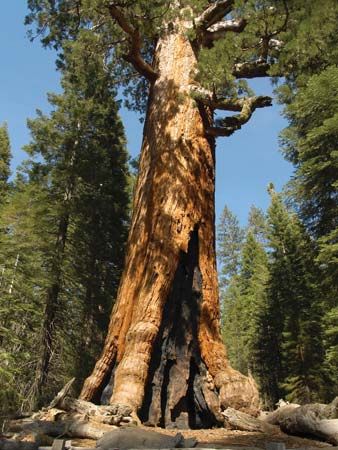
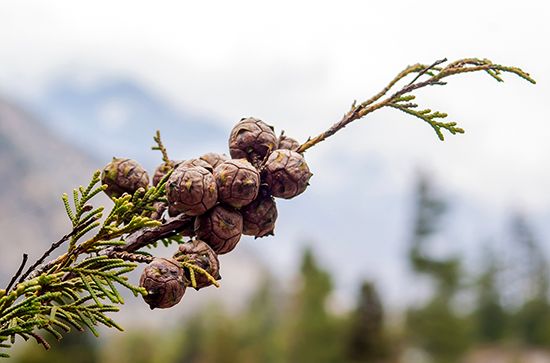
- Pinophyta: Commonly known as conifers, these are typically woody trees with simple leaves. They are the most familiar group, including families such as Pinaceae, Cupressaceae, and Podocarpaceae.32
- Cycadophyta: These are ancient, palmlike plants that are dioecious (having separate male and female plants). They are primarily distributed in tropical and subtropical regions.13
- Ginkgophyta: This division is represented today by a single surviving species, Ginkgo biloba. It is known for its distinct fan-shaped leaves and resistance to pollution and disease.13
- Gnetophyta: A group of three unusual genera—Ephedra, Gnetum, and Welwitschia—that differ from other gymnosperms by possessing vessel elements in their xylem.13

How do gymnosperms transport water and nutrients throughout their structure?
Gymnosperms transport water, nutrients, and sugars throughout their structures using two specialized vascular tissues: xylem and phloem.45
Water and Mineral Transport
The xylem is responsible for conveying water and dissolved minerals from the roots to the rest of the plant, while also providing physical support. In most gymnosperms, this transport is conducted by specialized cells called [tracheids]. These narrow, elongated, hollow cells are the primary water-conducting elements in these plants. Because gymnosperms generally lack the more efficient vessel members found in most angiosperms, water movement is relatively slow, which can make these plants more vulnerable to wilting during periods of high transpiration. To facilitate the uptake of water and minerals from the soil, many gymnosperms form symbiotic relationships with fungi, creating mycorrhizae that extend the reach of their root systems.4567
Nutrient Transport
The phloem is responsible for distributing sugars, amino acids, and other organic nutrients manufactured in the leaves to nonphotosynthetic tissues throughout the plant. Unlike angiosperms, which utilize highly efficient sieve tubes and companion cells, gymnosperms rely on sieve cells and associated parenchyma cells to manage the transport of these food materials.56
What are the defining characteristics of gymnosperm plants?
Gymnosperms, a group of vascular plants whose name translates to “naked seeds,” are defined by several key characteristics that distinguish them from angiosperms:33
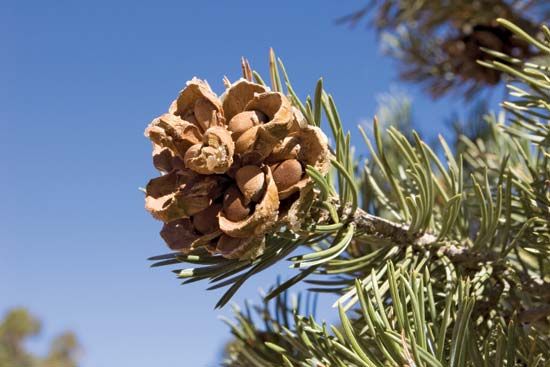
- Exposed Seeds: Unlike flowering plants, which enclose their seeds within an ovary or fruit, gymnosperm ovules are exposed, typically borne on the scales of cones or leaflike structures known as megasporophylls.91011
- Vascular System: They possess xylem for water transport, which in most species relies on tracheids rather than the more complex vessel elements found in angiosperms (with the exception of the Gnetophyta division).13
- Reproductive Cycle: The sporophyte is the dominant phase of their life cycle. They lack the “double fertilization” process characteristic of angiosperms; instead, the female gametophyte develops into a food-storage tissue that nourishes the embryo.10111
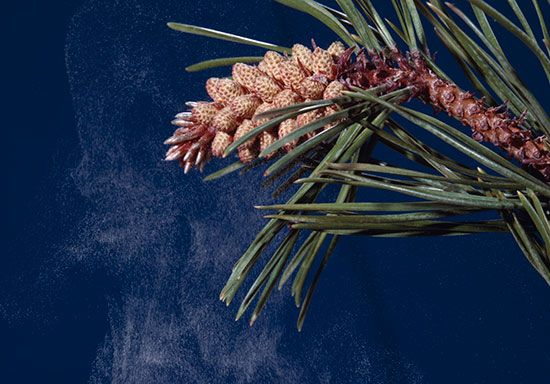
- Pollination: Pollen is received directly at the micropyle, an opening atop the ovule, rather than on a stigma.101
How do gymnosperms differ from angiosperms in terms of reproduction?
Gymnosperms and angiosperms both produce seeds, but they differ significantly in their reproductive structures and processes. The primary distinctions include:
- Seed Development: Gymnosperm seeds are “naked,” typically forming on the scales of cones rather than being enclosed. In contrast, angiosperm seeds develop within an ovary that matures into a fruit13.131415
- Pollination: In gymnosperms, pollen is transferred directly to the micropyle of the ovule. In angiosperms, pollen is deposited on the stigma of a flower, where it must grow a tube through the pistil to reach the ovule.161417
- Fertilization and Nutrition: Angiosperms undergo double fertilization, where one sperm fertilizes the egg and another combines with polar nuclei to form a triploid endosperm for embryo nourishment. Gymnosperms lack this process; their embryos are nourished by the haploid tissue of the female gametophyte.9161714
- Gametophyte Complexity: Gymnosperm gametophytes are generally larger and more complex, often retaining archegonia, whereas angiosperm gametophytes are highly reduced and lack these structures.914
Sources
- Plant - Gymnosperms — Encyclopædia Britannica
- gymnosperm - Annotated classification — Encyclopædia Britannica
- gymnosperm — Encyclopædia Britannica
- Xylem — Encyclopædia Britannica
- What’s the Difference Between Angiosperms and Gymnosperms? — Encyclopædia Britannica
- gymnosperm - General features — Encyclopædia Britannica
- conifer - Roots — Encyclopædia Britannica
- magnoliid clade - Vegetative structures — Encyclopædia Britannica
- Plant reproductive system - Seed plants — Encyclopædia Britannica
- Angiosperm - General characteristics — Encyclopædia Britannica
- gymnosperm - Major divisions — Encyclopædia Britannica
- Seed - Gymnosperm seeds — Encyclopædia Britannica
- Angiosperm: Top Questions — Encyclopædia Britannica
- Plant development - Preparatory events — Encyclopædia Britannica
- Plant - Variations involving seed plants — Encyclopædia Britannica
- Angiosperm - General features — Encyclopædia Britannica
- Pollination — Encyclopædia Britannica
Published on · 3 min read