Why Do Bees Buzz?
The buzzing sound associated with bees is primarily caused by the rapid beating of their wings, which can occur as frequently as 230 times per second. This…
Why Do Bees Buzz?
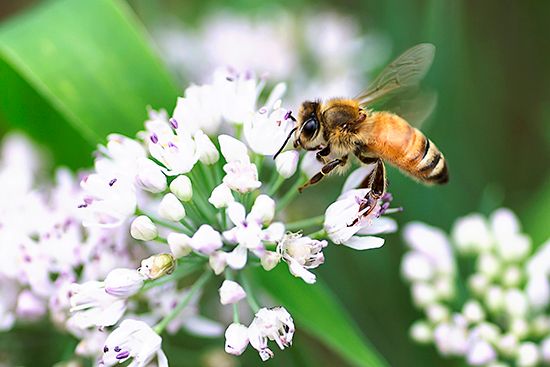
The buzzing sound associated with bees is primarily caused by the rapid beating of their wings, which can occur as frequently as 230 times per second. This mechanical movement creates the characteristic sound heard from many fast-flying insects, including wasps and flies.1
Beyond flight, some bees—such as bumblebees—produce a distinct sound by vibrating their flight muscles within the thorax. This process, known as buzz pollination or sonication, is essential for releasing pollen from specific plants like tomatoes and blueberries, which require a precise vibration frequency to open.1
What is buzz pollination?
Buzz pollination, also known as sonication or floral vibration, is a specialized pollination strategy used by certain plants to release pollen from their anthers. Unlike traditional pollination, these plants possess specialized structures that only release pollen when they are subjected to a specific vibration frequency.12
Key aspects of this process include:
- Mechanism: Certain bees, such as bumblebees and specific solitary bees, generate this vibration by rapidly shaking their flight muscles within their thorax while grasping the flower.12
- Selectivity: Because some plants require a precise frequency, they can effectively limit which insects can access their pollen, ensuring that only suitable pollinators facilitate cross-pollination.12
- Plant Examples: This strategy is common in plants such as tomatoes, blueberries, and shooting stars plant), and shooting stars.12
- Human Simulation: Because honeybees cannot perform sonication, plant breeders often simulate the bee’s vibration using electric toothbrushes or specialized vibrators to ensure fruit set in crops like tomatoes.12
How do bees communicate with each other?
Bees communicate through a sophisticated combination of chemical, tactile, and movement-based signals to maintain colony organization and share information.
Chemical Communication
Bees rely heavily on pheromones to regulate social behavior and colony structure.34
- Queen Substance: Secreted by the queen’s mandibular glands, this chemical acts as a powerful signal that inhibits worker ovary development and prevents the rearing of new queens. It also serves as an olfactory attractant for drones during mating flights.354
- Alarm Signals: When threatened, bees secrete alarm substances that notify other colony members to be on alert.3
- Colony Recognition: Each colony possesses a unique odor, allowing guards at the hive entrance to distinguish between nest mates and intruders.3
Movement and Tactile Signals
In the darkness of the hive, bees use physical interactions to convey vital information.6
- Waggle Dance: Workers perform a figure-eight pattern, including a straight “waggle” run, to inform others about the direction, distance, and quality of distant food sources.78
- Tactile Interaction: Attending workers monitor the dancer using their antennae, and vibrations may be transmitted through the honeycomb substrate to communicate details.6
Why are bees important for the environment?
Bees are vital to the environment primarily due to their role as pollinators. With approximately 20,000 species, they are the most significant insect pollinators, facilitating the reproduction of flowering plants and the formation of seeds and fruits.910
Ecological Impact
Bees are essential for maintaining biodiversity and healthy ecosystems. Many plants rely on specific bee species for pollination; without them, these plants would struggle to reproduce, leading to habitat changes and potential extinctions. Furthermore, the plants bees pollinate provide food and shelter for diverse wildlife, and bees themselves serve as a food source within the food web.910
Agricultural Importance
In agriculture, bees are indispensable for the production of numerous fruits, vegetables, and nuts. In the United States alone, they pollinate about 90 commercial crops, including almonds, blueberries, and apples. Their services increase crop yields and quality, and their absence would significantly reduce the availability and diversity of fresh produce.91011
Sources
- Why Do Bees Buzz? — Encyclopædia Britannica
- Botanical Sex: 9 Alluring Adaptations — Encyclopædia Britannica
- waggle dance — Merriam-Webster
- Hymenoptera - Chemical — Encyclopædia Britannica
- Animal communication - Signal production — Encyclopædia Britannica
- Chemoreception - Primer pheromones — Encyclopædia Britannica
- Hormone - Pheromones — Encyclopædia Britannica
- western honeybee - Colony and life cycle — Encyclopædia Britannica
- Why are bees important? — Encyclopædia Britannica
- What Would Happen If All the Bees Died? — Encyclopædia Britannica
- western honeybee - Importance — Encyclopædia Britannica
Published on · 3 min read