Ice Sheet
In geology, an ice sheet is a massive glacier that covers a large landmass and extends in continuous sheets, moving outward in all directions. To be…
What is an ice sheet in geology?
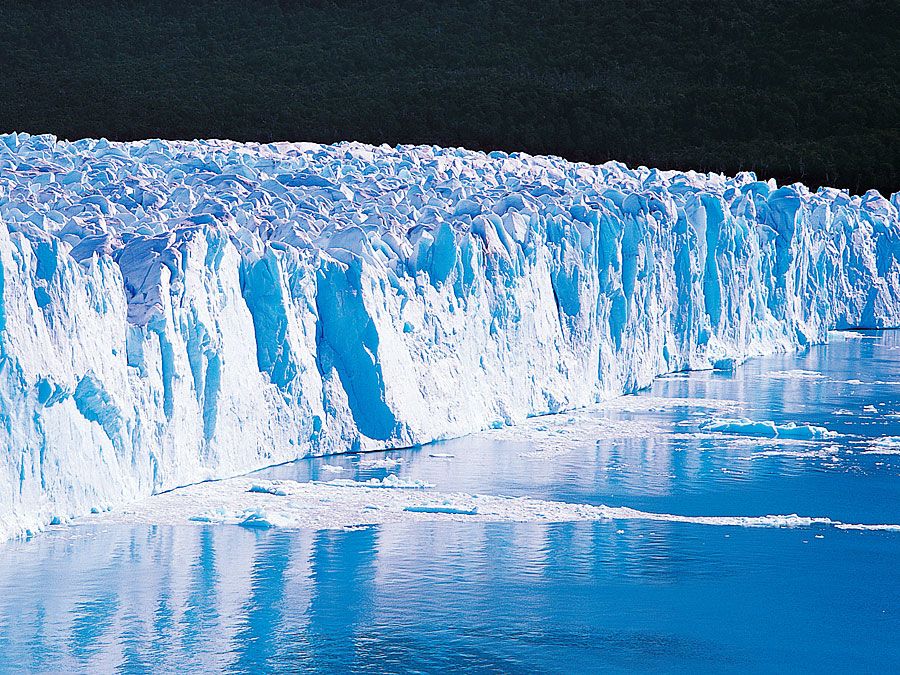
In geology, an ice sheet is a massive glacier that covers a large landmass and extends in continuous sheets, moving outward in all directions. To be classified as an ice sheet, the formation must exceed 50,000 square kilometers (19,000 square miles) in area. Smaller versions of these formations are typically referred to as ice caps.12
Key characteristics of ice sheets include:
- Scale: They are immense, with the only two present-day examples being the Greenland Ice Sheet and the Antarctic Ice Sheet, which together hold approximately 99 percent of the world’s glacier ice.23
- Movement: Ice flows from central high points toward the edges, often concentrating into rapidly moving ice streams that discharge into the ocean.4
- Coastal Extensions: Sections of an ice sheet that extend over the ocean are known as ice shelves.2
- Impact: They act as significant reservoirs of fresh water; their melting or calving of icebergs has a direct influence on global sea levels a direct influence on global sea levels.65
How are ice sheets different from glaciers?
While all ice sheets are technically glaciers, they represent a distinct class of ice mass that differs significantly from smaller, mountain-based glaciers in scale and behavior.
Key Differences
- Relationship to Topography: Valley glaciers are essentially “rivers of ice” found in mountainous regions; their flow is strictly controlled by the surrounding high-relief terrain. In contrast, ice sheets are continuous, pancake-like expanses that completely bury the underlying landscape, regardless of the terrain beneath them.12
- Scale: To be classified as an ice sheet, a formation must exceed 50,000 square kilometers (19,000 square miles). Smaller, similar formations are categorized as ice caps.13
- Flow Patterns: Valley glaciers often resemble the roots of a plant as tributary glaciers join a “trunk glacier.” Ice sheets, however, generally flow from a central high point outward in all directions. While ice sheets may develop outlet glaciers at their thinner peripheries—which can look like valley glaciers—the main body of an ice sheet remains a massive, unconfined expanse.12
Both types are defined as large masses of perennial ice that originate on land through the recrystallization of snow and exhibit evidence of flow.2
Where on Earth are the major ice sheets found?
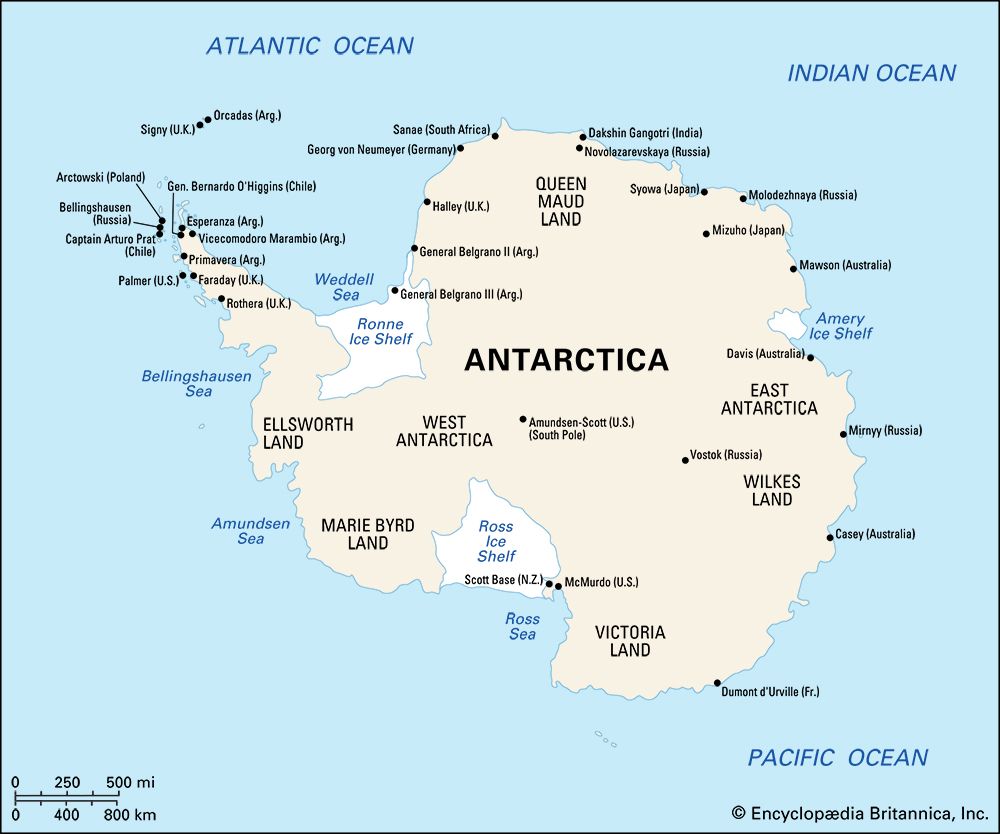
On Earth today, there are two major ice sheets that contain approximately 99 percent of the world’s glacier ice.2
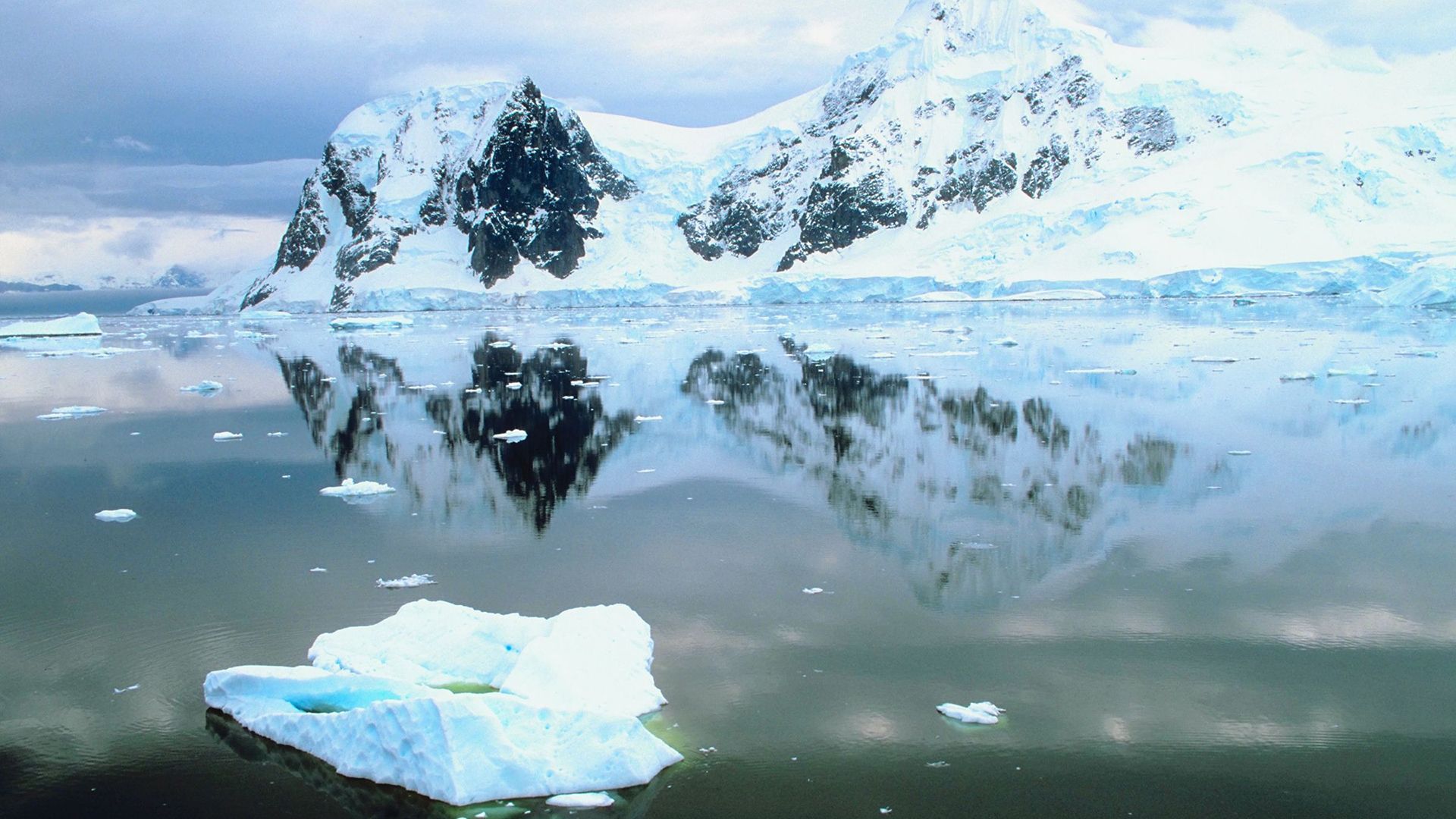
- Antarctic Ice Sheet: This is the world’s largest ice sheet, covering about 98 percent of the Antarctic continent. It holds roughly 90 percent of the world’s ice and 80 percent of its fresh water.2
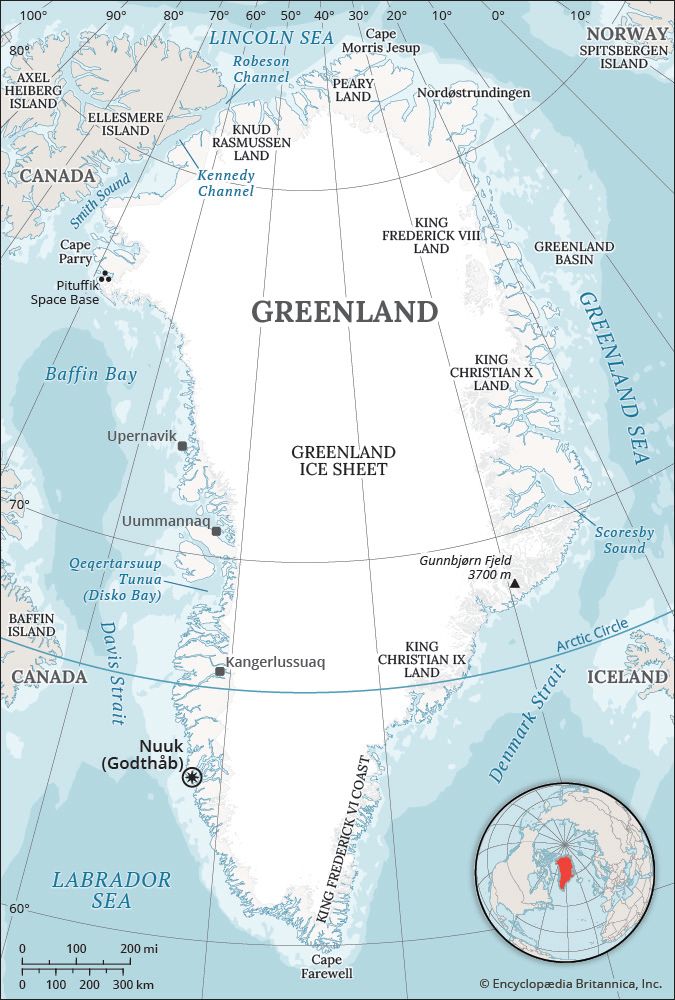
- Greenland Ice Sheet: This ice sheet covers about 80 percent of Greenland and is the largest ice mass in the Northern Hemisphere. It contains approximately 12 percent of the world’s glacier ice.215
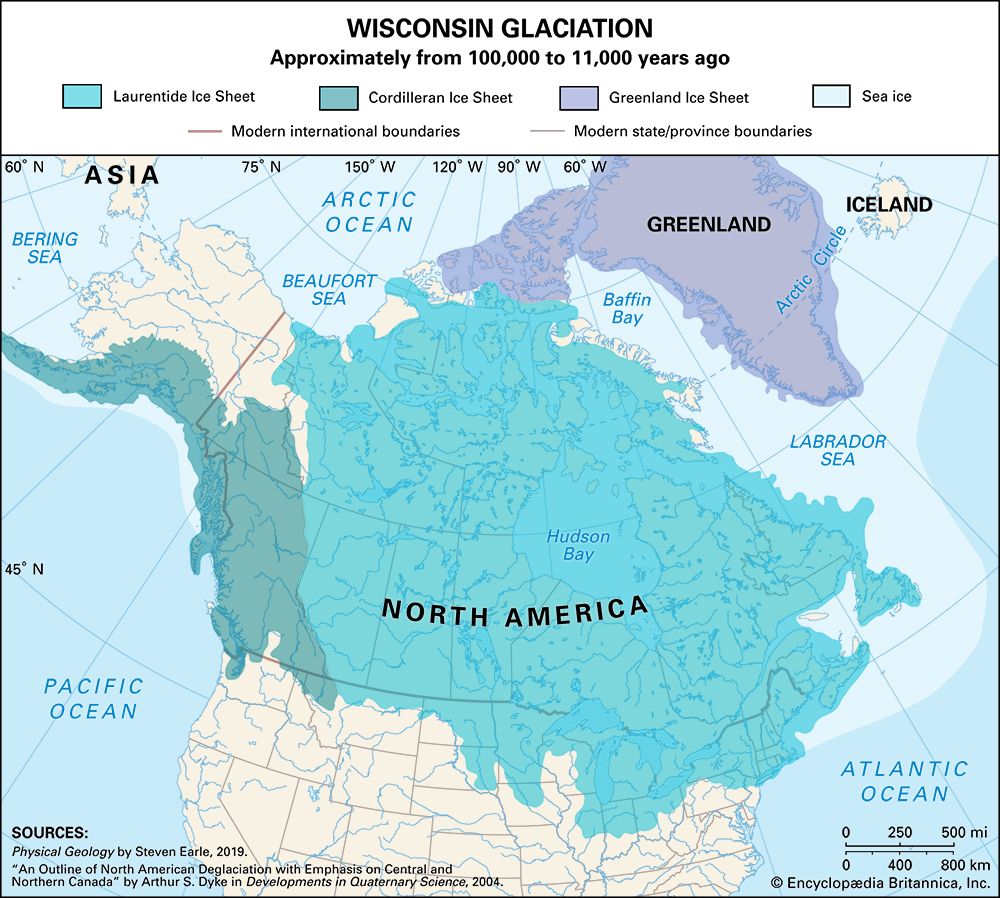
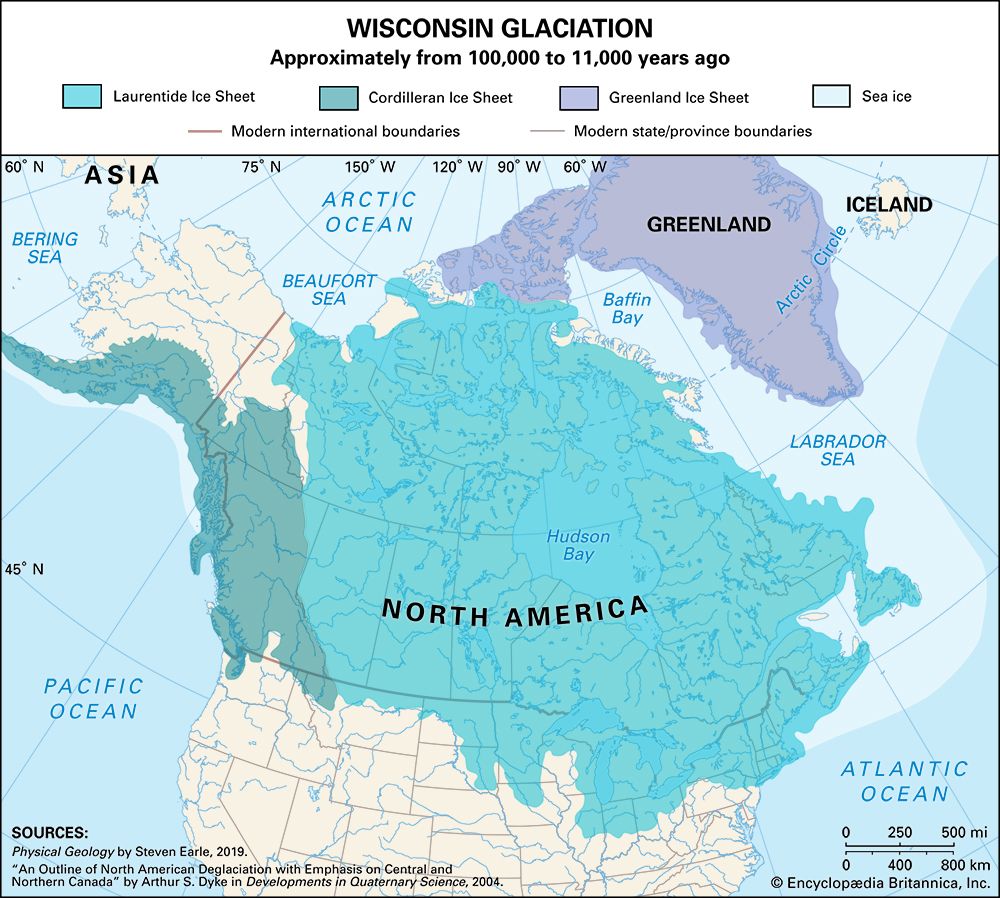
While these are the only two present-day ice sheets, geological history shows that during the Pleistocene Epoch, massive ice sheets also covered large portions of North America and Eurasia, including the Laurentide Ice Sheet and the Scandinavian Ice Sheet.2
How do ice sheets form and grow?
Ice sheets form and grow through the long-term accumulation, compaction, and recrystallization of snow. This process is governed by the glacier’s mass balance, which must remain positive—meaning accumulation exceeds loss—for the ice sheet to grow.181610
The Transformation Process
The transition from snow to glacier ice involves several stages:
- Accumulation: Snow falls and settles on the surface. Over time, the intricate shapes of snow crystals break down and round off due to wind and temperature fluctuations, allowing them to pack more tightly.18
- Densification: As new layers accumulate, the weight of the overlying snow compresses the lower layers. This process turns the snow into firn—a granular, denser stage of snow that has survived at least one melting season.18
- Recrystallization: Under continued pressure, the firn undergoes recrystallization. Grains grow in size and interlock to minimize stress. Once the density reaches approximately 830 to 840 kilograms per cubic meter, air spaces are sealed off, and the material becomes impermeable, officially becoming glacier ice.18
- Basal Growth: In some regions, such as parts of Antarctica, ice sheets can also gain mass at their base through the refreezing of water.18
The time required for this transformation varies drastically by environment, ranging from a few years in wet, temperate regions to thousands of years in the cold, dry conditions of the Antarctic plateau.18
Sources
- What’s the Difference Between a Glacier and an Ice Floe? — Encyclopædia Britannica
- ice sheet — Encyclopædia Britannica
- glacier - The great ice sheets — Encyclopædia Britannica
- glacier - Flow of the ice sheets — Encyclopædia Britannica
- ice sheet — Merriam-Webster
- iceberg - Impacts on ice sheets and sea level — Encyclopædia Britannica
- glacier - Glacier flow — Encyclopædia Britannica
- sheet ice — Merriam-Webster
- glacier - Glaciers and sea level — Encyclopædia Britannica
- ice in lakes and rivers - Growth of fixed ice cover — Encyclopædia Britannica
- glacier: Top Questions — Encyclopædia Britannica
- glacial landform - Types of glaciers — Encyclopædia Britannica
- glacier — Encyclopædia Britannica
- hydrologic sciences - The movement of glaciers — Encyclopædia Britannica
- Greenland Ice Sheet — Encyclopædia Britannica
- glacier - Accumulation — Encyclopædia Britannica
- glacier - Net mass balance — Encyclopædia Britannica
- glacier - Transformation of snow to ice — Encyclopædia Britannica
- glacier - Climatic conditions — Encyclopædia Britannica
- glacier - Ablation — Encyclopædia Britannica
- ice in lakes and rivers - Variations in ice structure — Encyclopædia Britannica
- ice formation — Encyclopædia Britannica
Published on · 3 min read