Inside Passage
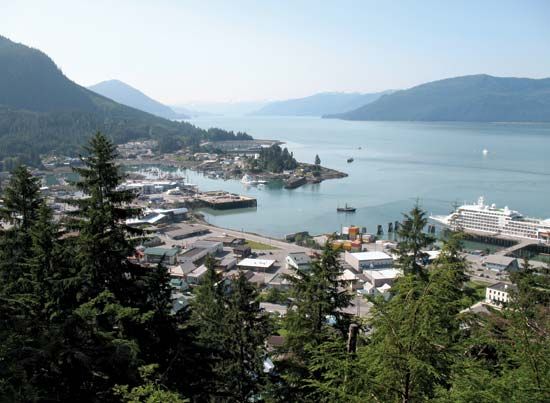
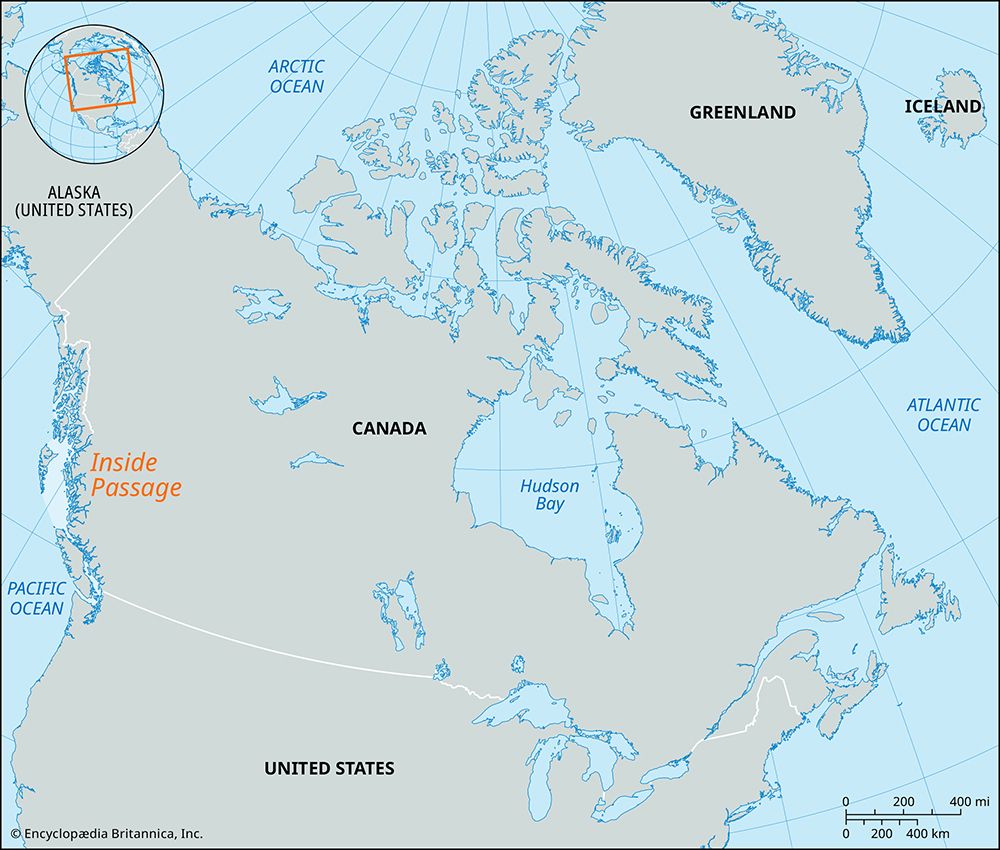
The Inside Passage is a natural, sheltered sea route spanning over 1,000 miles (1,600 km) from Seattle, Washington, to Skagway, Alaska.
What is Inside Passage?
The Inside Passage is a natural, sheltered sea route spanning over 1,000 miles (1,600 km) from Seattle, Washington, to Skagway, Alaska.12
This route consists of a series of channels and straits situated between the mainland and various coastal islands, such as Vancouver Island in British Columbia, Canada, and the Alexander Archipelago in Alaska. These landmasses provide protection from Pacific storms, creating a reliable and smooth path for coastal shipping.1
The passage is well-surveyed for navigation and is widely recognized for its scenic beauty. Key towns located along the route include Victoria, Vancouver, and Prince Rupert in Canada, as well as Ketchikan and Juneau in Alaska. It serves as a vital maritime corridor, with the Alaska Marine Highway utilizing these waters to connect the Pacific Northwest to the Alaskan coast.13
What kind of wildlife can be seen along the Inside Passage?
The Inside Passage, which winds through the Alexander Archipelago and along the coast of Alaska, is home to a diverse array of marine wildlife.
Specific areas within this region, such as the Lynn Canal, are known to support populations of:
- Humpback whales: Often spotted in the narrow, scenic passages of the region.1
- Sea lions: Specifically the northern, or Steller, sea lions, which inhabit these coastal waters.1
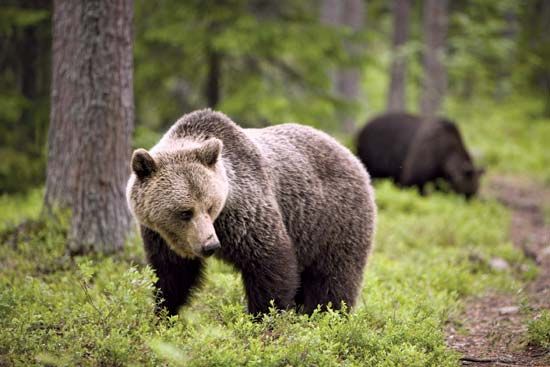
While the broader Alaskan region is home to a vast range of animals—including brown bears, grizzly bears, wolves, and moose in the interior, as well as fur seals, sea otters, and walrus in the Bering Sea islands—the specific wildlife sightings along the Inside Passage are primarily characterized by these marine mammals.13
How do fjords like the Lynn Canal form?
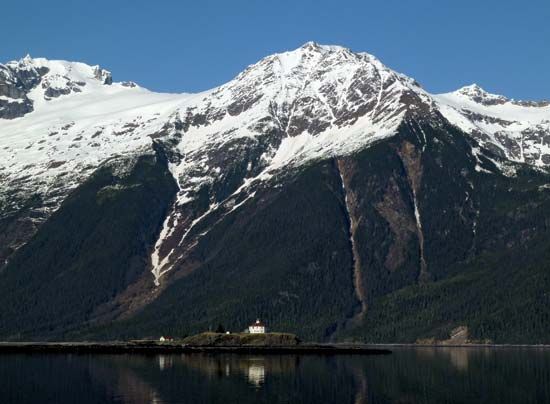
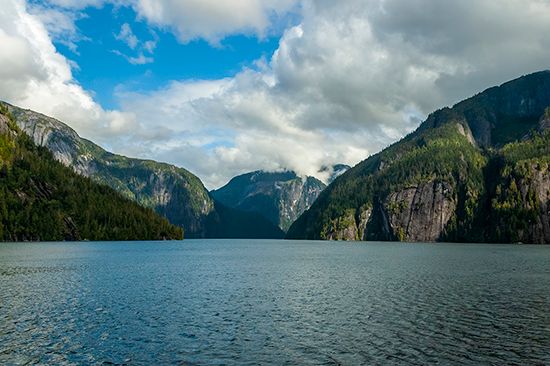
Fjords like the Lynn Canal are formed through a process of glacial erosion followed by marine inundation. During the Pleistocene Epoch, when sea levels were significantly lower, massive glaciers descended from coastal mountains and carved deep, U-shaped valleys into the landscape.56
These glaciers possessed immense erosive power, particularly in their middle and upper reaches, allowing them to carve the valley floors far below the existing sea level. As the climate warmed and the glaciers melted, the rising sea level flooded these steep-sided, submerged valleys, creating the characteristic narrow, deep inlets known as fjords.56
Because of this origin, fjords often feature vertical walls that rise hundreds of feet from the water’s edge and can be exceptionally deep, sometimes reaching thousands of feet below the surface. The Lynn Canal specifically serves as the northernmost fjord to penetrate the Coast Mountains in southeastern Alaska.57
What is the history of the Alexander Archipelago?
The Alexander Archipelago, a group of approximately 1,100 islands off the coast of southeastern Alaska, has a history deeply rooted in both Indigenous heritage and colonial expansion.
Indigenous Foundations
For centuries, these islands were the exclusive home of the Tlingit and Haida peoples. Tlingit society was organized into lineages and clans, with an economy centered on fishing—particularly salmon—and the hunting of marine and land mammals. They are renowned for their intricate totem poles and complex social rituals, such as the potlatch.89
Russian Influence and Conflict
In the late 18th century, Russian fur traders arrived in the region. The Russian-American Company established its headquarters at Sitka in 1804 under the administration of Aleksandr Baranov. This settlement followed the Battle of Sitka, a significant armed conflict between the Tlingit and the Russians. Following the U.S. purchase of Alaska in 1867, the archipelago was named to honor the Russian Tsar Alexander II.810
Today, the region is largely protected within the Tongass National Forest and various national parks, supporting industries like fishing, lumbering, and tourism.8
Sources
- Inside Passage — Encyclopædia Britannica
- Inside Passage — Merriam-Webster
- Lynn Canal — Encyclopædia Britannica
- Alaska - Plant and animal life — Encyclopædia Britannica
- fjord — Encyclopædia Britannica
- coast — Encyclopædia Britannica
- Lynn Canal — Merriam-Webster
- Alexander Archipelago — Encyclopædia Britannica
- Alexander Archipelago — Merriam-Webster
- Tlingit — Encyclopædia Britannica
- Alaska - Russian settlement — Encyclopædia Britannica
Published on · 3 min read