Lingcod
The lingcod (Ophiodon elongatus) is a voracious marine fish native to the Pacific coast of North America. Despite its name, it is not a true cod; it belongs…
What is lingcod?
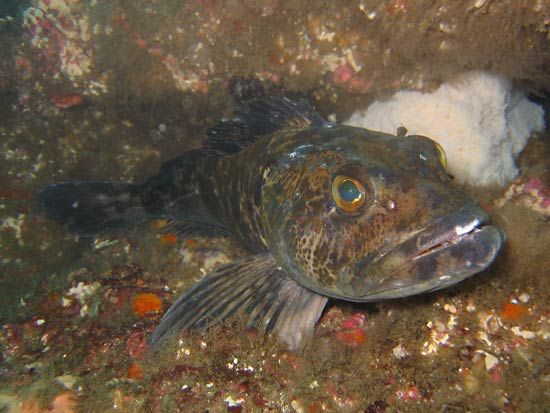
The lingcod (Ophiodon elongatus) is a voracious marine fish native to the Pacific coast of North America. Despite its name, it is not a true cod; it belongs to the family Hexagrammidae and is part of the greenling group of fishes.12
Characterized by a large mouth and canine-like teeth, the lingcod is a predator that feeds on other fish and squid. These fish can grow up to 1.5 meters (5 feet) in length and are highly valued as both a commercial and sport fish. While their meat often has a distinct greenish hue, it is considered highly edible. Occasionally, the term “blue cod” is also used to refer to this species.123
Why does lingcod meat sometimes appear green?
The greenish hue observed in the flesh of some lingcod is a natural characteristic of the species, though the specific biochemical mechanism responsible for this pigmentation is not explicitly detailed in the provided records. While the meat is often greenish, it remains highly edible and is considered a popular fish for both commercial and sport purposes.12
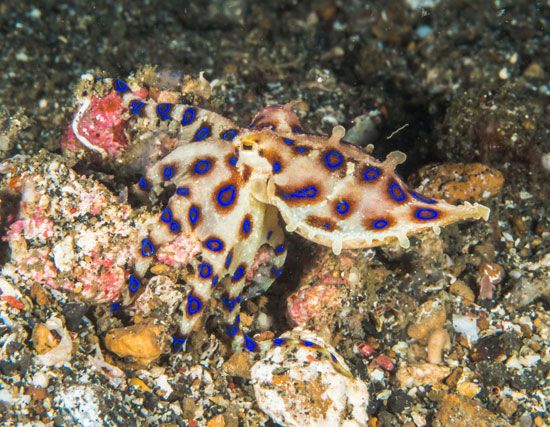
It is important to note that while some marine animals, such as certain cephalopods, utilize copper-based proteins called hemocyanins that can influence coloration, there is no evidence in the provided data linking this specific protein to the green flesh of the lingcod.5
What are greenlings and how are they related to lingcod?
Greenlings are a group of marine fish belonging to the family Hexagrammidae within the order Scorpaeniformes. They are primarily found in the North Pacific and are generally characterized by long dorsal fins, small scales, and strong jaw teeth.6 Most members of this family are carnivorous and are valued as food sources.61
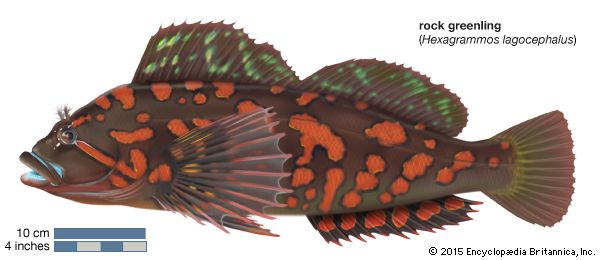
The lingcod (Ophiodon elongatus) is a member of this same family, Hexagrammidae, and is classified within the greenling group. While many greenlings are relatively small—typically not exceeding 46 cm (18 inches)—the lingcod is a notable exception, as it is a large, voracious predator that can grow up to 1.5 meters (5 feet) in length. Other members of the family include the Atka mackerel, the rock greenling, and the ainame.67
What other predators live along the Pacific coast?
The Pacific coast supports a diverse array of predators, ranging from marine mammals to terrestrial carnivores that inhabit the coastal mountain ranges.
Marine Predators
The Pacific Ocean is home to powerful marine carnivores that occupy the top of the food chain:
- Killer whales: These highly intelligent cetaceans are apex predators found throughout the Pacific. They are known to hunt a variety of prey, including fish, seals, sea lions, and other whales.89
- Sharks: Various large predatory sharks, such as the white shark, inhabit these waters and serve as top-tier predators.810
- Sea otters: While smaller than whales, these marine mammals are significant predators in coastal ecosystems, feeding on sea urchins, crabs, and other shellfish.10
Terrestrial Predators
The coastal ranges of North America host several land-based predators:
- Felidae: The puma (mountain lion), bobcat, and lynx are found throughout the Pacific mountain system.81112
- Bears: Black bears are common inhabitants of the coastal ranges and Cascades.1112
These predators play a vital role in maintaining the balance of their respective ecosystems by controlling prey populations.8
Sources
- lingcod — Encyclopædia Britannica
- lingcod — Merriam-Webster
- ling — Merriam-Webster
- blue cod — Merriam-Webster
- coloration - Hemocyanins — Encyclopædia Britannica
- greenling — Encyclopædia Britannica
- Hexagrammidae — Merriam-Webster
- apex predator — Encyclopædia Britannica
- killer whale — Encyclopædia Britannica
- otter - Saltwater otters — Encyclopædia Britannica
- Pacific mountain system - Animal life — Encyclopædia Britannica
- Pacific Ocean - Biological resources — Encyclopædia Britannica
- Coast Ranges — Encyclopædia Britannica
- megalodon - Predators and prey — Encyclopædia Britannica
Published on · 2 min read