Malpeque Bay
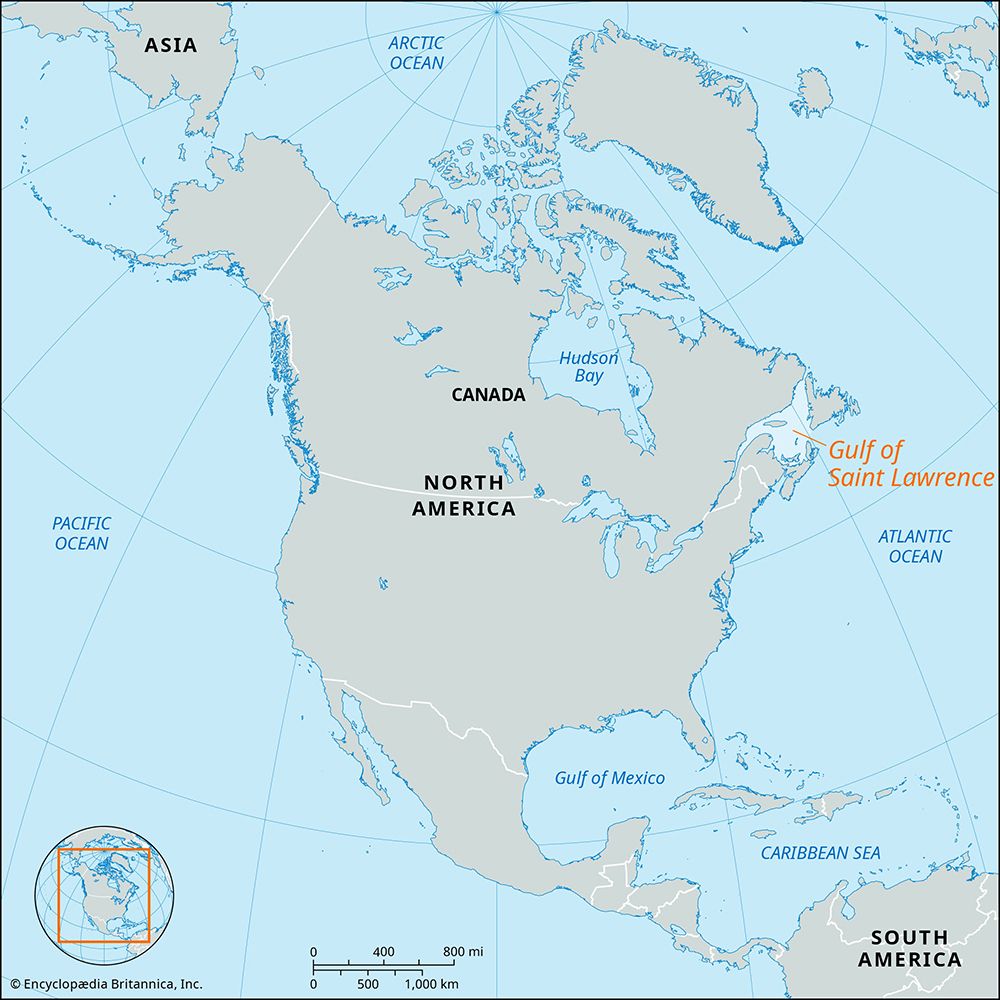
Malpeque Bay is an inlet of the Gulf of St. Lawrence located on the northwestern coast of Prince Edward Island, Canada. Measuring approximately 12 miles long…
What is Malpeque Bay?
Malpeque Bay is an inlet of the Gulf of St. Lawrence located on the northwestern coast of Prince Edward Island, Canada. Measuring approximately 12 miles long and 10 miles wide, the bay is sheltered from the open ocean by Hog Island.1
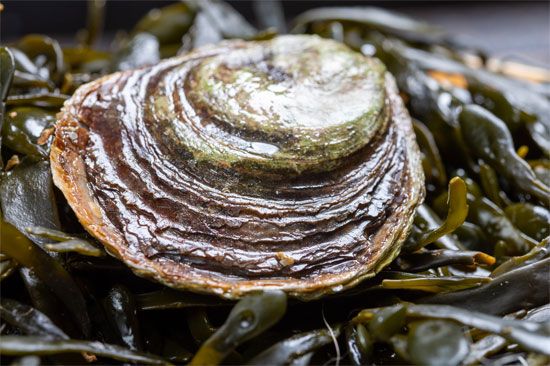
The name “Malpeque” is a French adaptation of the Mi’kmaq word makpaak, which translates to “large bay”. The area is widely recognized for its shallow, protected waters, which provide an ideal environment for oyster cultivation. These oyster farms, managed from the nearby town of Summerside, produce high-quality mollusks that are famous for bearing the bay’s name.1
What is the history of the Mi’kmaq people in this region?
The Mi’kmaq are the largest First Nations people traditionally inhabiting Canada’s eastern Maritime Provinces, including Prince Edward Island. Before European colonization, the Mi’kmaq traveled from the mainland to the island seasonally to hunt, fish, and engage in limited planting.12
Historically, the Mi’kmaq were a seasonally nomadic people who lived in wigwams and maintained a flexible social structure centered on kin relations. They were part of the Abenaki Confederacy, often allying with the French against the English during the 17th and 18th centuries.1
Today, the Mi’kmaq continue to reside on Prince Edward Island, with approximately 1,700 individuals recorded at the start of the 21st century. While many live on reserves such as Lennox Island, Scotchfort, Morell, and Rocky Point, others reside “off reserve” within their traditional ancestral homelands.3
How do oyster farms impact the local marine environment?
Oyster farming, a form of aquaculture, involves the cultivation of bivalve mollusks in coastal waters. While these farms provide a sustainable food source, they interact with the marine environment in several ways:
- Filter Feeding: Oysters are natural filter feeders that draw in large volumes of water to extract minute organic particles for food. This process can influence water clarity and nutrient cycling within the immediate vicinity of the farm.5
- Habitat and Predation: Farms must protect oysters from predators like sea stars and oyster drills. Methods such as vertical culture (hanging oysters in baskets or on poles) are often preferred over bottom-culture to reduce predation and improve survival rates.6
- Environmental Sensitivity: Oysters are susceptible to environmental stressors. For instance, red tides caused by toxic dinoflagellates can be lethal to invertebrates and pose risks to human health if the oysters concentrate these toxins.7
- Pollution Risks: Like other marine organisms, oysters can be contaminated by industrial and agricultural effluents, including trace metals and various hydrocarbons, which raises concerns regarding food safety and ecosystem health.7
What other wildlife lives in the Gulf of St. Lawrence?
The Gulf of St. Lawrence supports a diverse range of wildlife, benefiting from the region’s complex oceanographic conditions and nutrient-rich waters.
Marine Life
The gulf is home to various aquatic species, including:
- Mammals: The beluga (white whale) is a notable inhabitant of the gulf.9
- Fish: The waters support populations of sturgeon, smelt, and herring.9
- Mollusks: Species such as the soft-shell clam are found within the system.9
Migratory Birds
A prominent biological feature of the region is the massive seasonal migration of waterfowl, including various species of ducks, bustards, and geese. These birds rely on the gulf’s sandy shores and river reefs as essential seasonal food sources.9
Surrounding Vegetation
The biological landscape is further defined by extensive shrubby zones that transition from deciduous and mixed forests to coniferous forests and open taiga. The shoreline environments also feature specialized vegetation, such as sandbank grasses in freshwater sections and salt-tolerant halophytic plants in the estuary.9
Sources
- Malpeque Bay — Encyclopædia Britannica
- Mi’kmaq — Encyclopædia Britannica
- Prince Edward Island - Population — Encyclopædia Britannica
- Prince Edward Island - History — Encyclopædia Britannica
- bivalve - Importance — Encyclopædia Britannica
- oyster — Encyclopædia Britannica
- aquaculture - Mollusks — Encyclopædia Britannica
- aquaculture — Encyclopædia Britannica
- Gulf of Saint Lawrence — Encyclopædia Britannica
- St. Lawrence River - Plant and animal life — Encyclopædia Britannica
- Grand Banks — Encyclopædia Britannica
Published on · 3 min read