Mōkau River
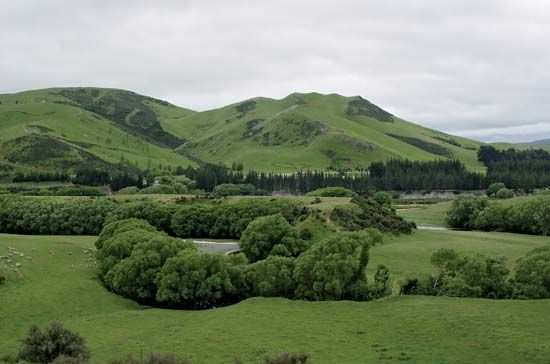
The Mōkau River is a river located on the North Island of New Zealand. Rising in the Rangitoto Range south of Te Kuiti, it flows southwest for 98 miles (158…
What is Mōkau River?
The Mōkau River is a river located on the North Island of New Zealand. Rising in the Rangitoto Range south of Te Kuiti, it flows southwest for 98 miles (158 km) before emptying into the North Taranaki Bight of the Tasman Sea.1
The river drains a basin covering 550 square miles (1,425 square km). While the lower valley serves as a dairying region prone to periodic flooding, the river remains navigable for 23 miles (37 km) upstream, despite a sandbar at its mouth. The town of Mōkau, situated near the sea, was historically a port. The name Mōkau is a Māori term that translates to “winding stream”.1
What is the significance of the North Taranaki Bight?
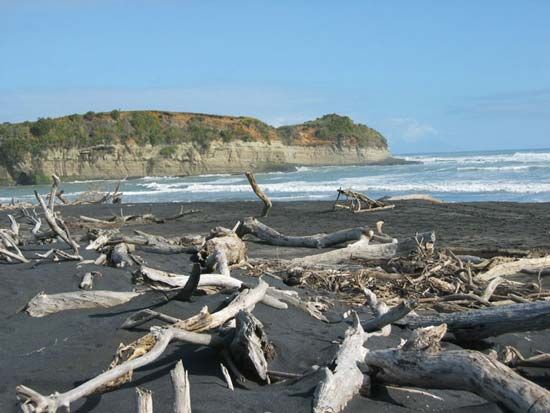
The North Taranaki Bight is a significant geographical feature along the western coast of New Zealand’s North Island. It serves as the coastal boundary for the Taranaki region, extending north toward the Mōkau River.
The bight is characterized by distinct topographical features, including coastal cliffs in the north that rise to several hundred feet. While the area is a notable maritime feature of the Tasman Sea, it presents challenges for navigation; its natural harbors are frequently obstructed by drifting sand, necessitating the use of an artificial port at New Plymouth to support maritime activity. Additionally, the bight serves as the terminus for the Mōkau River, which drains a significant basin of 550 square miles.21
How do rivers in New Zealand shape the local landscape?
Rivers in New Zealand play a fundamental role in shaping the country’s landscape and supporting its economy. Because the islands are bisected by rugged mountains, many rivers are swift and unnavigable, acting as powerful agents of erosion that carve through the terrain.43
The primary ways these rivers influence the landscape include:
- Formation of Alluvial Plains: In the east of the South Island, rivers flowing from the Southern Alps have built up extensive, fertile alluvial plains, such as the Canterbury Plains. These areas contrast with the narrow, precipitous coastal strips found elsewhere.45
- Agricultural Support: Pockets of highly fertile land are often associated with river systems and terraces. These areas are critical for dairying, mixed farming, orchards, and market gardening.46
- Hydroelectric Development: Many rivers drain into or originate from mountain lakes. These water systems are frequently utilized as reservoirs for hydroelectric power generation, with some artificial lakes created specifically for this purpose.3
What are some common native plants and animals found in New Zealand river valleys?
The provided search results do not specifically categorize native plants and animals by their presence in river valleys. However, they do highlight the general distribution of indigenous life across New Zealand’s diverse environments.
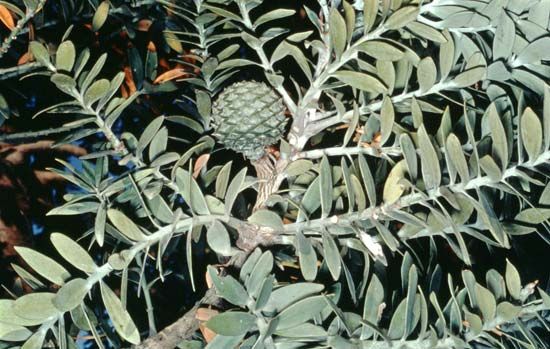
New Zealand’s indigenous vegetation is characterized by mixed evergreen forests, with false beech (genus Nothofagus) being the predominant tree along the country’s mountain chains. In areas with higher fertility, forests of tawa and taraire are common, while kauri pine and rimu are typically found in podzolized soils.86
Regarding fauna, New Zealand’s isolation resulted in a unique ecosystem with few native land animals. While skinks, geckos, and tuatara are present, the country is most notable for its birds. Flightless species like the kiwi, weka, and takahe are found in secluded bush areas, while birds such as tuis, fantails, and bellbirds are common in forested regions.8
Sources
- Mōkau River — Encyclopædia Britannica
- Taranaki — Encyclopædia Britannica
- Rangitikei River — Encyclopædia Britannica
- New Zealand - Relief of New Zealand — Encyclopædia Britannica
- New Zealand - Drainage — Encyclopædia Britannica
- New Zealand - Soils of New Zealand — Encyclopædia Britannica
- Canterbury Plains — Encyclopædia Britannica
- New Zealand - Plant and animal life — Encyclopædia Britannica
Published on · 2 min read