Rimu
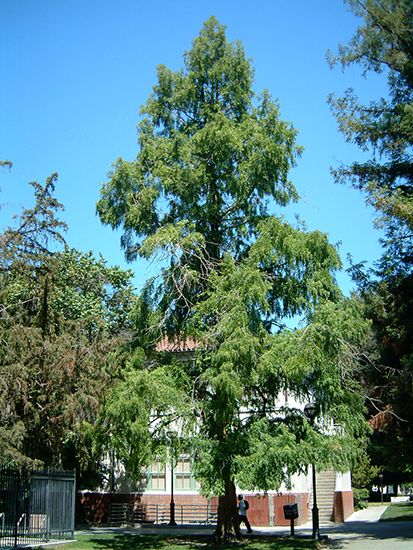
The rimu (Dacrydium cupressinum) is a tall coniferous timber tree belonging to the family Podocarpaceae, native to New Zealand. These trees can reach heights…
What is Rimu?
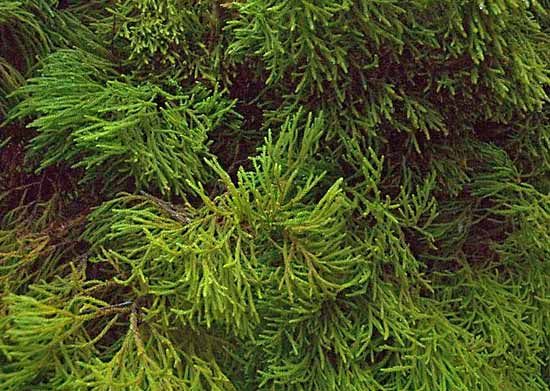
The rimu (Dacrydium cupressinum) is a tall coniferous timber tree belonging to the family Podocarpaceae, native to New Zealand. These trees can reach heights of 45 meters (150 feet) or more and are characterized by drooping terminal branches covered in tiny, keeled, linear leaves.12
The wood of the rimu, also known as red pine, is valued for its reddish-brown to yellowish-brown color and distinctive light and dark streaks. It is commonly utilized in general construction, interior fittings, and furniture making. Additionally, the tree’s bark contains a tanning agent capable of coloring leather red.12
It is important to distinguish the rimu from the mountain rimu (Dacrydium laxifolium), which is a separate, prostrate or suberect shrub native to New Zealand that features slender, trailing branches.3
What other native trees are found in New Zealand forests?
New Zealand’s indigenous forests are home to a diverse array of native trees, many of which are unique to the country due to its long-standing geographic isolation. Beyond the rimu, several other significant native species contribute to the composition of these forests:4
- Kauri Pine (Agathis australis): A massive, resinous conifer native to the North Island that can reach heights of 45 meters. It is historically significant for its durable timber and valuable resin, known as kauri gum.56
- Totara (Podocarpus totara): A tall, valuable timber tree known for its hard, reddish wood, which has been traditionally used for construction and furniture.78
- False Beech (Nothofagus): These trees are the predominant species found along the mountain chains that run the length of the country.49
- Other Podocarps: The genus Podocarpus includes several other native species, such as the matai (black pine), kahikatea (white pine), and miro.8
- Silver Tree Fern (Cyathea medullaris): A showy, iconic tree fern recognized by its handsome crown of fronds that are distinctively whitish on the underside.10
- Broad-leaved species: Forests also feature trees such as tawa and taraire, which are often found in areas with relatively high soil fertility.9
How do coniferous trees differ from deciduous trees?
Coniferous and deciduous trees are primarily distinguished by their foliage characteristics and reproductive structures.
Foliage and Leaf Retention
- Conifers: Most conifers are evergreen, meaning they retain their leaves throughout the year and into the following growing season. Their leaves are typically simple, often taking the form of needles or scales, which are generally thicker and more leathery than those of deciduous trees.1213
- Deciduous Trees: These trees shed their leaves annually, typically in autumn or during a tropical dry season. Their leaves are generally broader and less leathery than those of conifers.12
Reproductive Structures
- Conifers: As members of the division Pinophyta, conifers are gymnosperms that typically bear seeds in cones, though some species, such as yews, produce fruit-like structures.1413
- Deciduous Trees: Most deciduous trees are angiosperms (flowering plants), which produce seeds enclosed within a fruit or nut.
Wood Composition
The wood of conifers is often referred to as “softwood” because it is structurally simpler, consisting primarily of tracheids. In contrast, the wood of deciduous trees is often called “hardwood” and features a more complex structure containing vessel elements and fibers.1315
While most conifers are evergreen, there are notable exceptions—such as larches, bald cypress, and dawn redwoods—that are deciduous.13
What role do native forests play in New Zealand’s ecosystem?
Native forests in New Zealand serve as vital components of the country’s ecosystem, providing essential environmental services and unique habitats. Their primary roles include:
- Carbon Sequestration and Storage: Like other temperate rainforests, these forests act as significant stores of carbon, holding large amounts of biomass in their living and fallen trees, plants, and soil.6
- Soil Stabilization and Erosion Control: Forests are crucial for maintaining soil integrity, particularly in mountainous and hilly regions. By anchoring the earth, they prevent erosion and help mitigate the risk of floods, protecting the landscape from degradation.919
- Water Conservation: Native forests play a key role in protecting and conserving water supplies, ensuring the stability of local hydrological cycles.19
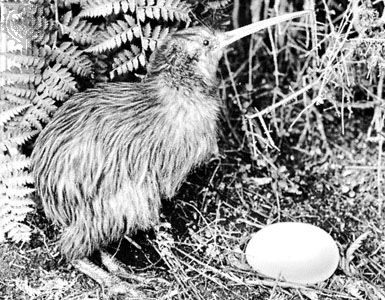
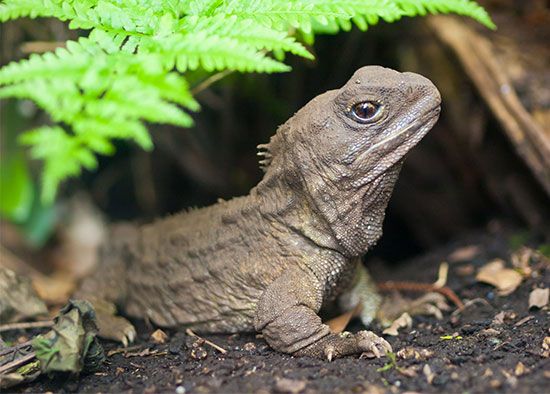
- Biodiversity and Habitat: Due to New Zealand’s long-standing geographic isolation, its forests support a high proportion of endemic species—plants and animals found nowhere else on Earth. These ecosystems provide essential niches for native wildlife, including unique reptiles like the tuatara and various flightless birds, such as the kiwi6.9
Sources
- rimu — Encyclopædia Britannica
- rimu — Merriam-Webster
- mountain rimu — Merriam-Webster
- totara — Merriam-Webster
- kauri pine — Encyclopædia Britannica
- New Zealand - Plant and animal life — Encyclopædia Britannica
- kauri — Merriam-Webster
- silver tree fern — Merriam-Webster
- New Zealand - Soils of New Zealand — Encyclopædia Britannica
- Podocarpaceae — Encyclopædia Britannica
- yellowwood — Encyclopædia Britannica
- Did you know? — Merriam-Webster
- Evergreen — Encyclopædia Britannica
- Forest — Encyclopædia Britannica
- gymnosperm - Pinophyta — Encyclopædia Britannica
- conifer - Distribution and abundance — Encyclopædia Britannica
- conifer - Sporophyte phase — Encyclopædia Britannica
- conifer - Stem — Encyclopædia Britannica
- Temperate forest - Fauna — Encyclopædia Britannica
- Temperate rainforest — Encyclopædia Britannica
- Tree - The importance of trees — Encyclopædia Britannica
Published on · 3 min read