Mount Canlaon
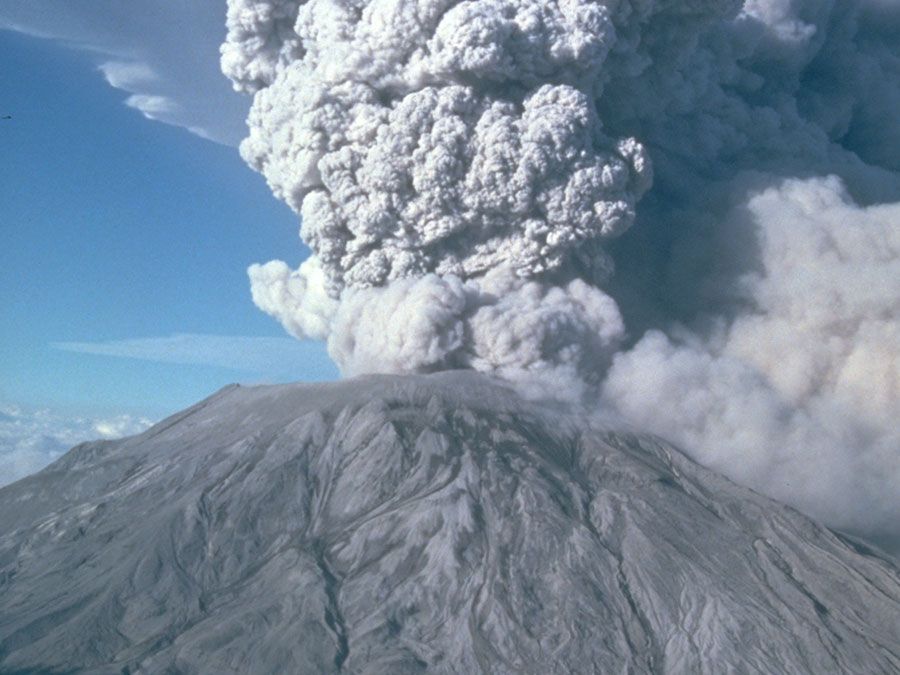
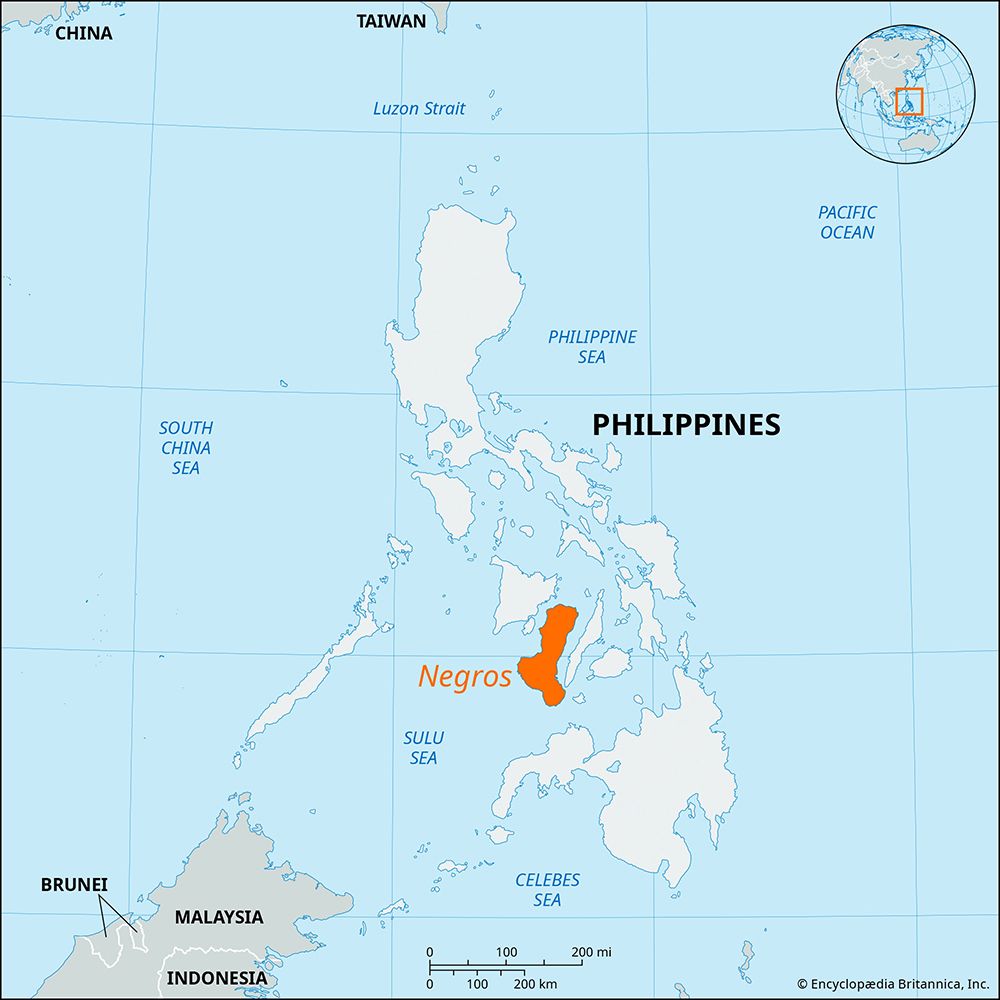
Mount Canlaon is an active volcano located in the north-central portion of Negros island in the Philippines. Standing at 8,086 feet (2,465 meters), it is the…
What is Mount Canlaon?
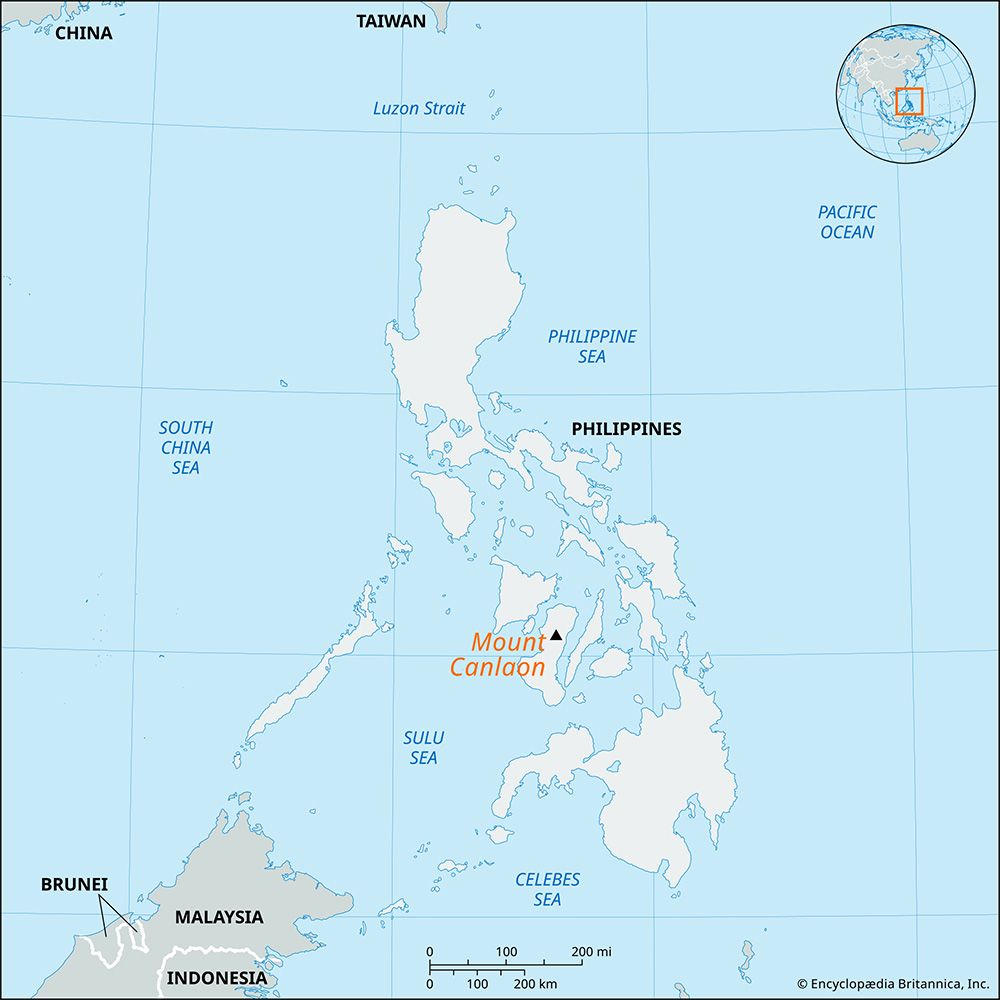
Mount Canlaon is an active volcano located in the north-central portion of Negros island in the Philippines1. Standing at 8,086 feet (2,465 meters), it is the highest point in the Visayan Islands and is part of the volcanic Cordillera Central.12
The mountain is situated approximately 20 miles (32 km) southeast of Bacolod. It is the namesake of the chartered city of Canlaon, which lies beneath the volcano’s eastern slopes. The surrounding region benefits from the volcano’s deposits, which have created fertile soil ideal for sugarcane cultivation.12
In 1934, Mount Canlaon National Park was established to protect 95 square miles (245 square km) of rugged, forested terrain. This protected area features diverse geological and biological highlights, including craters, hot springs, and wildlife such as monkeys, deer, and boars.1
What makes a volcano considered active?
A volcano is generally considered active if it is currently erupting or has shown signs of volcanic unrest—such as unusual earthquake activity or significant gas emissions—that suggest it may erupt in the near future.345
Scientists classify volcanoes based on their eruptive history and current behavior:
- Active: These are volcanoes that are either currently erupting or have erupted in recent history and continue to exhibit signs of activity, such as the release of gases or seismic tremors indicating the movement of magma beneath the surface.345
- Dormant: Often referred to as “sleeping” volcanoes, these have not erupted for a long period but are still considered capable of erupting again. A major challenge in volcanology is that because these volcanoes have very long repose periods, local populations may mistakenly perceive them as extinct.65
- Extinct: These are volcanoes that are not expected to erupt again because they no longer have a supply of magma.3
Because the destructive potential of active volcanoes is significant, experts monitor them using seismographs, tiltmeters, and gas detectors to forecast potential outbursts and protect human life.45
How do volcanic eruptions create fertile soil?
Volcanic eruptions contribute to the creation of highly fertile soils through the long-term decomposition of nutrient-rich volcanic fallout, such as volcanic ash and lava.910
When volcanoes erupt, they eject fresh, inorganic material that is often transported by wind or water and deposited over wide areas. This material, particularly when derived from basic andesitic volcanic rocks, is rich in minerals that eventually break down through weathering. These processes lead to the formation of specialized soil types, such as andisols (often called ando soils), which are characterized by the presence of specific clay minerals like allophane and imogolite.clay minerals](https://www.britannica.com/science/clay-geology) like allophane and imogolite.111012
These minerals are advantageous for agriculture because they possess high ion-exchange properties, allowing the soil to effectively hold and supply essential nutrients to plants. While fresh ash can initially cause crop failure due to accumulation, the long-term weathering of these volcanic deposits creates some of the most productive agricultural land in the world.12910
What other wildlife lives in the Visayan Islands?
The Visayan Islands, located in the central Philippines, host a diverse array of marine and terrestrial wildlife. The surrounding seas and coastal environments are particularly notable for their biodiversity, with sea horses being commonly found in the region’s reefs.13
More broadly, the Philippines—which includes the Visayan Islands—is home to a vast range of species, including:
- Marine Life: The waters are inhabited by at least 2,000 varieties of fish, including the milkfish, which is the national fish of the country.13
- Reptiles: The islands support a diverse array of reptiles, including various species of skinks, geckos, and snakes. Both the Philippine crocodile and the saltwater crocodile are found in the archipelago and are protected species.13
- Mammals and Birds: The islands host over 200 species of mammals—such as monkeys, squirrels, and civet cats—and hundreds of bird species, including parrots, hornbills, and kingfishers.13
Sources
- Mount Canlaon — Encyclopædia Britannica
- Canlaon — Encyclopædia Britannica
- volcano — Encyclopædia Britannica
- Mount Fuji: Top Questions — Encyclopædia Britannica
- geology - Volcanology — Encyclopædia Britannica
- volcano - Gas clouds — Encyclopædia Britannica
- volcano - Volcano forecasting and warning — Encyclopædia Britannica
- volcano - Major types — Encyclopædia Britannica
- volcano - Ash falls — Encyclopædia Britannica
- Indonesia - Soils of Indonesia — Encyclopædia Britannica
- clay mineral - Soils — Encyclopædia Britannica
- Hawaii - Soils — Encyclopædia Britannica
- Philippines - Plant and animal life — Encyclopædia Britannica
- Panay — Encyclopædia Britannica
- Cabo Verde - Plant and animal life — Encyclopædia Britannica
- Orinoco River - Animal life — Encyclopædia Britannica
Published on · 3 min read