North Cape Current
The North Cape Current is an oceanic surface current that serves as the northernmost extension of the Norway Current, which is itself a component of the…
What is North Cape Current?
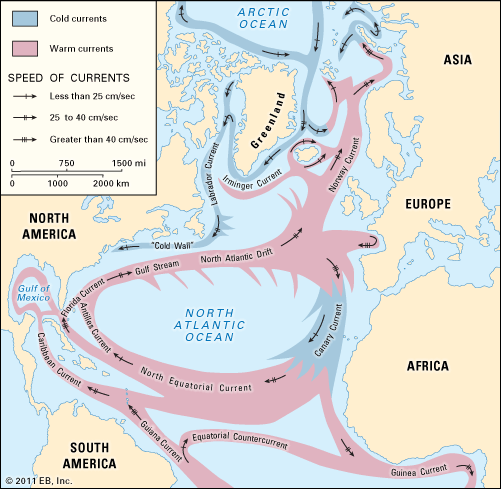
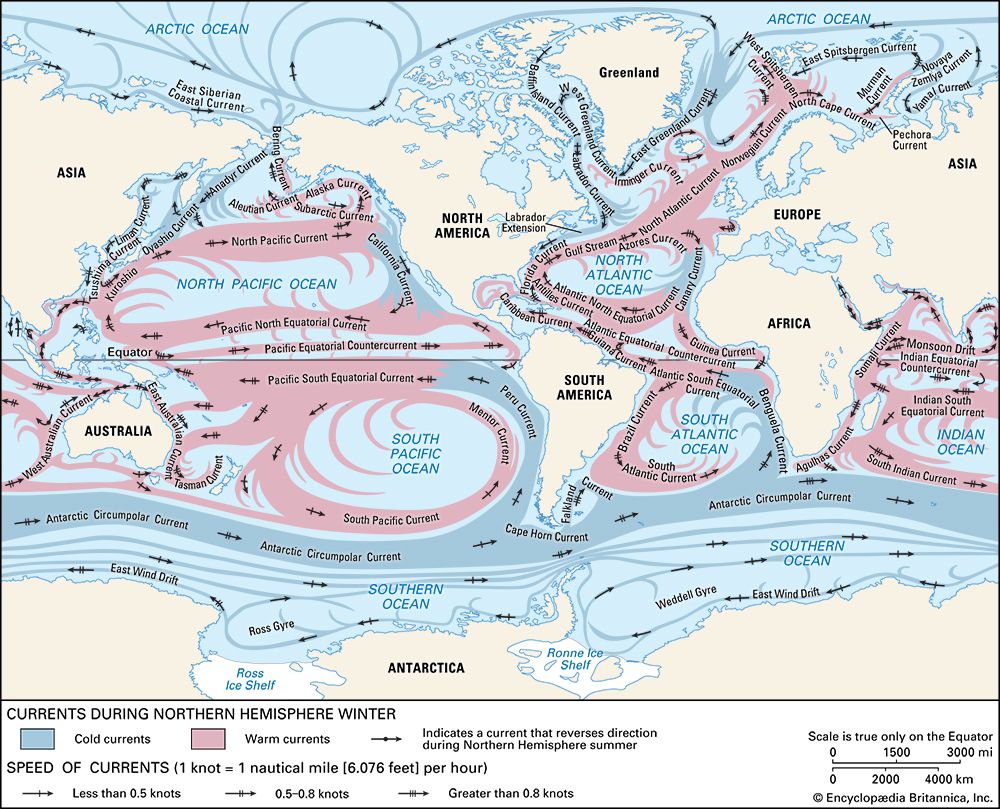
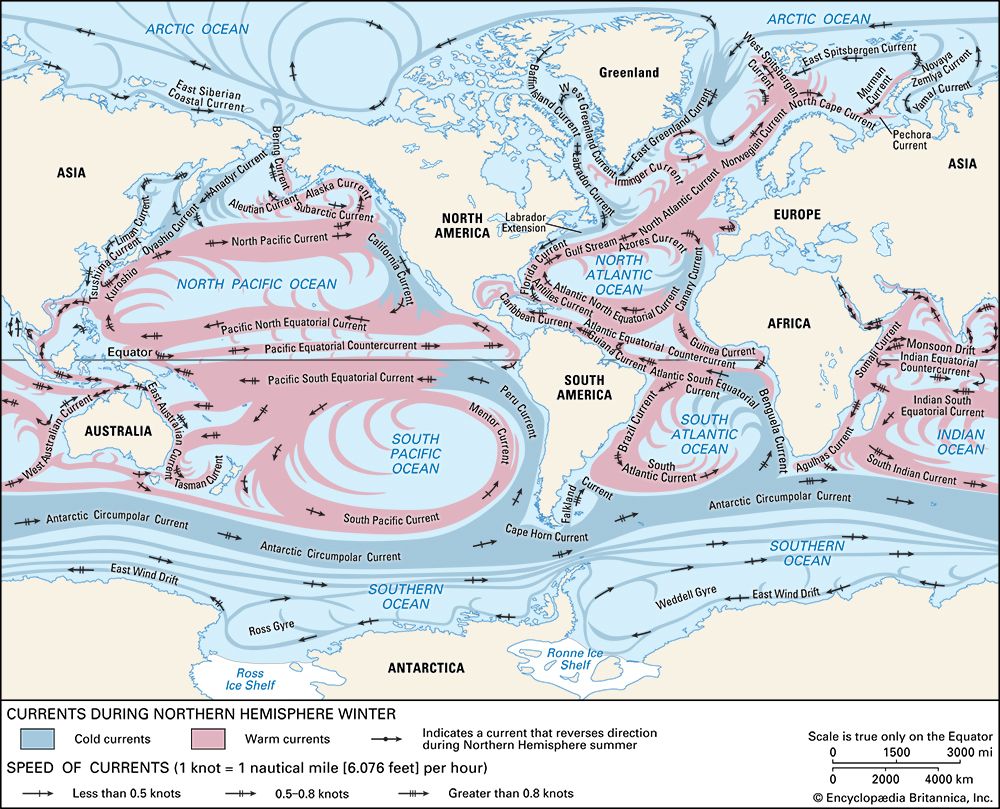
The North Cape Current is an oceanic surface current that serves as the northernmost extension of the Norway Current, which is itself a component of the North Atlantic Current.1
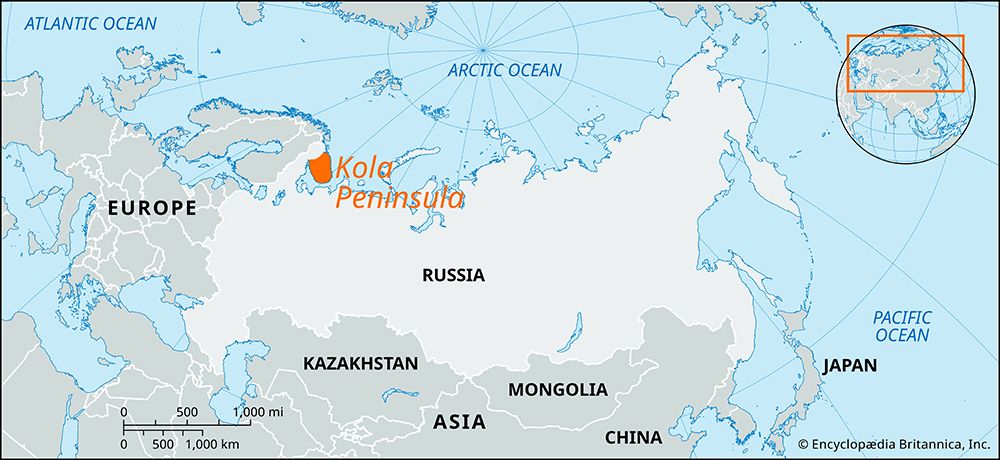
It flows along the northern coasts of Norway, Finland, and Russia’s Kola Peninsula at speeds of approximately 0.5 to 0.8 knots. The current is characterized by relatively warm temperatures ranging from 39° to 54° F (4° to 12° C) and an average salinity of 34 to 35 parts per 1,000. As it enters the Barents Sea within the Arctic Ocean, the water becomes colder and less saline before splitting into multiple branches.12
The presence of this warm current is significant for the region, as it contributes to more temperate winters and higher-than-average precipitation, though the interaction between these warm waters and colder surrounding currents creates an unstable climate prone to storms.12
How do ocean currents influence global climate patterns?
Ocean currents play a fundamental role in regulating global climate by acting as a massive heat-distribution system. They transport thermal energy from the tropics toward the poles, which moderates temperatures in regions that would otherwise be significantly colder.45
Heat Transport and Climate Moderation
The most prominent example of this process is the Gulf Stream and its extension, the North Atlantic Current. These currents carry warm water toward northwestern Europe, where, in combination with prevailing westerly winds, they maintain a milder climate than would be expected at those latitudes. Similarly, thermohaline circulation—a slower, density-driven system—moves vast volumes of water globally, further distributing heat and nutrients.465
Atmospheric Interactions
Ocean currents also influence weather through their impact on air movement and surface temperatures:
- Upwelling: When winds move surface water away from coasts, cold, nutrient-rich water rises from the depths. This process stabilizes the lower atmosphere, often reducing precipitation and creating arid conditions along western continental coasts.7
- El Niño and La Niña: Fluctuations in ocean surface temperatures, particularly in the Pacific, can shift cloud formation and alter global weather patterns, demonstrating the ocean’s capacity to drive climate variability.7
- Climate Change: Warming oceans are currently altering these patterns by reducing the temperature gradients that drive currents, potentially slowing their speed and accelerating evaporation, which can lead to more intense storms and heavier precipitation.8
What makes the Barents Sea a unique ecosystem for marine life?
The Barents Sea is a unique and highly productive marine ecosystem, primarily due to the influence of warm currents that moderate its subarctic environment.
Key Factors Supporting Marine Life
- Influence of Warm Currents: The North Cape Current and the Spitsbergen branch of the Norway Current bring relatively warm, saline water into the sea. This thermal input prevents the region from being as harsh as other Arctic areas, allowing for a more temperate climate and the presence of ice-free ports.21
- Rich Biological Productivity: The sea supports a robust food web that begins with microscopic phytoplankton. These organisms provide essential nourishment for deep-sea invertebrates, small crustaceans, bivalves, and sponges, which in turn sustain commercially significant fish populations such as cod, herring, salmon, plaice, and catfish.2
- Diverse Habitats: The sea features a shallow continental shelf with varied relief, including trenches and elevations, which creates diverse niches for marine life. The shallow southern regions are particularly rich in underwater flora, including widespread brown, red, and green algae.2
- Faunal Diversity: Beyond its fish populations, the ecosystem hosts a variety of sea mammals, including seals and whales, as well as land-based Arctic species like polar bears and Arctic foxes. The region is also a vital habitat for numerous sea birds, such as gulls, ducks, and geese.2
How does the Gulf Stream affect the temperature of Northern Europe?
The Gulf Stream and its northeastward extension, the North Atlantic Current, exert a profound warming influence on the climate of Northern Europe. By transporting warm, saline water from the tropics toward the high latitudes, these currents act as a critical heat-distribution system for the region.515
Mechanisms of Climate Moderation
- Heat Transport: The warm waters of the Gulf Stream system release significant thermal energy into the atmosphere. In winter, the air over the ocean west of Norway can be more than 40 °F (22 °C) warmer than the average temperature typically expected at that latitude.15
- Prevailing Westerlies: The warmth and moisture gathered by these currents are carried across the ocean to northwestern Europe by prevailing westerly winds. This process maintains a remarkably mild climate, allowing for ice-free ports—such as Murmansk—and supporting vegetation that would otherwise not survive at such northern latitudes.51516
- Atmospheric Interaction: The North Atlantic Oscillation further influences this effect; when the atmospheric pressure gradient is steep, stronger winds deliver more heat from the Gulf Stream to Europe, significantly ameliorating winter temperatures.17
Sources
- North Cape Current — Encyclopædia Britannica
- Barents Sea — Encyclopædia Britannica
- ocean current - The subtropical gyres — Encyclopædia Britannica
- How Do Ocean Currents Affect the Biosphere? — Encyclopædia Britannica
- North Atlantic Current — Encyclopædia Britannica
- thermohaline circulation — Encyclopædia Britannica
- ocean warming — Encyclopædia Britannica
- Atmosphere - Effect of oceans on air movement — Encyclopædia Britannica
- Bering Sea and Strait - Hydrology — Encyclopædia Britannica
- Norway Current — Encyclopædia Britannica
- Bering Sea and Strait - Biological and mineral resources — Encyclopædia Britannica
- Arctic - Marine fauna — Encyclopædia Britannica
- sea ice - Ice salinity , temperature, and ecological interactions — Encyclopædia Britannica
- Arctic - Climate of the Arctic — Encyclopædia Britannica
- Atlantic Ocean - The North Atlantic — Encyclopædia Britannica
- Climate - The Gulf Stream — Encyclopædia Britannica
- Gulf Stream — Encyclopædia Britannica
- Europe - Air pressure belts — Encyclopædia Britannica
Published on · 4 min read