Pacific Mountain System
The Pacific mountain system, often associated with the Circum-Pacific System or "Ring of Fire," encompasses various ranges along the Pacific coast of North…
What are some of the highest peaks in the Pacific mountain system?
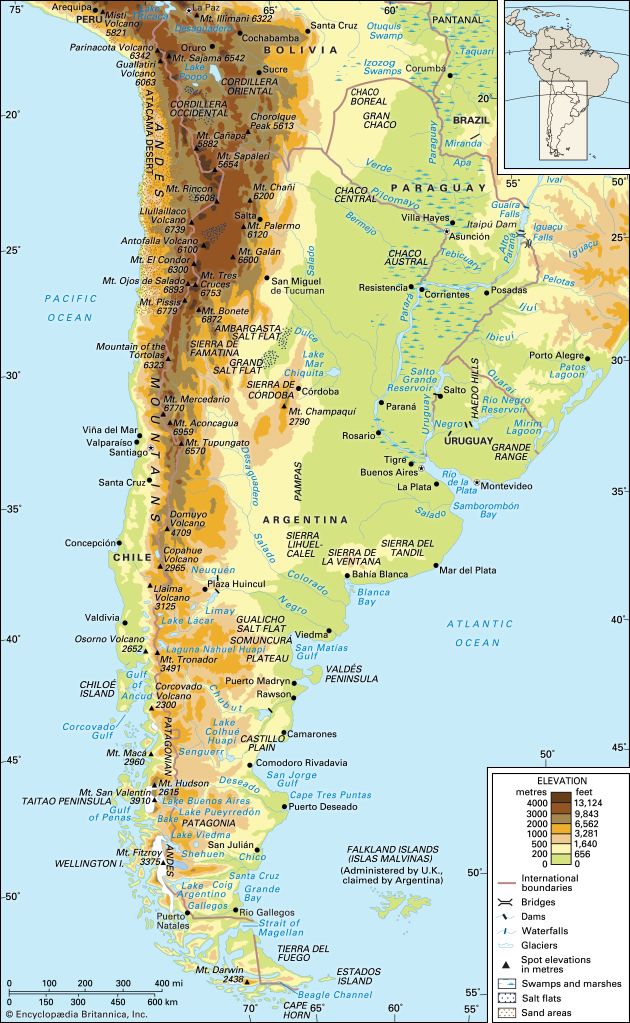
The Pacific mountain system, often associated with the Circum-Pacific System or “Ring of Fire,” encompasses various ranges along the Pacific coast of North America and extends into South America as the Andes Mountains.
Some of the highest peaks within this extensive system include:
- Mount Aconcagua: Located in the Andes, this is one of the most prominent peaks in the system.1
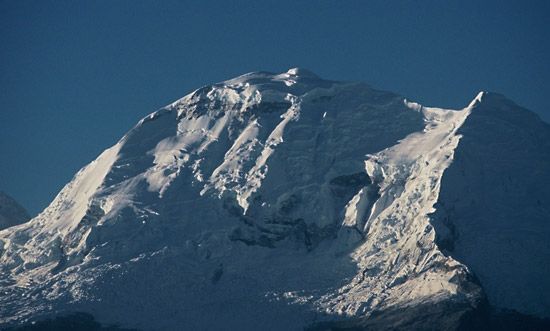
- Mount Huascarán: A major peak in the Cordillera Blanca of the Peruvian Andes, reaching 22,205 feet.1
- Mount Mercedario: Another lofty peak in the Andes, standing at 22,211 feet.1
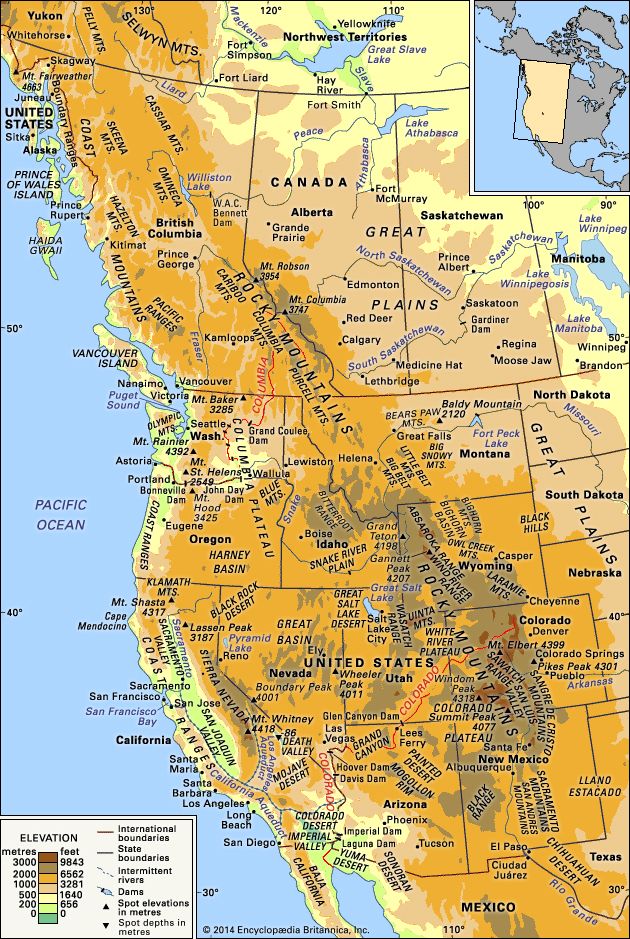
- Mount Whitney: The highest peak in the conterminous United States, located in the Sierra Nevada, at 14,494 feet.2
- Mount Rainier: A prominent volcanic peak in the Cascade Range, reaching 14,410 feet.2
While Denali (20,310 feet) is the highest point in North America, it is distinct from the specific ranges defined as the Pacific mountain system of the lower 48 states and Canada.34
What are some of the most popular recreational activities in the Pacific mountain system?
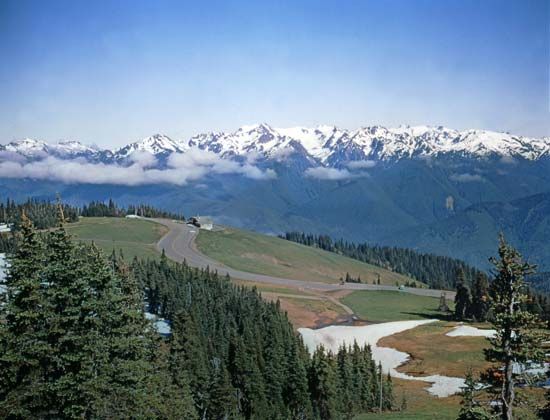
The Pacific mountain system serves as a premier destination for outdoor enthusiasts, offering a wide array of year-round recreational activities across its diverse landscapes.2
Outdoor and Wilderness Activities
- Hiking and Backpacking: The region features an extensive network of trails, including the famous Pacific Crest National Scenic Trail, which spans the length of the system, and the John Muir Trail in the Sierra Nevada.78
- Mountain Climbing: The rugged peaks, such as those found in Mount Rainier National Park, provide some of the best mountain climbing opportunities in North America.7
- Winter Sports: The mountains are renowned for their world-class Alpine skiing and Nordic skiing facilities, which are often located conveniently near major urban centers.2
- Camping and Wildlife Viewing: Vast national forest lands and numerous national, state, and provincial parks offer abundant campsites and opportunities to observe wildlife, such as elk, deer, and black bears.729
- Fishing and Hunting: The region provides many designated sites for fishing and hunting, particularly around the numerous reservoirs and lakes created throughout the mountain ranges.8
What are some of the geological features and natural resources found in the Pacific mountain system?
The Pacific mountain system is defined by complex geological processes driven by the movement of tectonic plates, including folding, faulting, and volcanic activity.4
Geological Features
- Tectonic Activity: The system is shaped by the interaction between the Pacific Plate and the North American Plate. In many areas, this involves transform faults, such as the San Andreas Fault, which are responsible for significant seismic activity.4
- Volcanism: In regions like the Cascade Range, the subduction of oceanic plates—such as the Juan de Fuca Plate—generates molten rock, leading to the formation of explosive composite volcanoes.4
- Diverse Topography: The system includes varied landscapes ranging from the high, granitic peaks of the Sierra Nevada to the hilly, stream-carved terrain of the coastal ranges and the deep, glacial valleys that characterize much of the region.11
Natural Resources
- Timber: The coastal ranges, particularly from the Queen Charlotte Islands to northern California, contain some of the world’s largest softwood lumber trees, which have historically supported a major logging industry.12
- Minerals and Energy: The mountains have been significant sources of gold, while current mining focuses heavily on sand and gravel. The region also contains deposits of oil and natural gas.12
- Hydroelectric Power: Abundant precipitation and steep elevation changes, combined with deep glacial valleys suitable for water storage, have made the region a vital site for hydroelectric development.12
What role does the Pacific mountain system play in water resources for western North America?
The Pacific mountain system acts as a critical hydrological engine for western North America, primarily by functioning as an orographic barrier that captures massive quantities of precipitation from Pacific storms.17
Precipitation and Storage
The mountains force moist air upward, resulting in high levels of rain and snow on western slopes, while creating arid “rain shadow” conditions to the east. This process is vital for water supply, as the mountains store vast amounts of water in the form of snowpack and alpine lakes, such as Lake Tahoe alpine lakes, such as Lake Tahoe.1714
River Systems and Infrastructure
The system serves as the headwaters for major river networks, including the Columbia, Colorado, and the Sacramento-San Joaquin system. Because these rivers often flow through arid regions, they are heavily managed through complex infrastructure:18
- Hydroelectric Power: The steep elevation changes and deep glacial valleys allow for extensive hydroelectric development, powering large networks across the region.1918
- Water Transfer: Due to chronic water scarcity in southern regions, massive engineering projects like the California State Water Project and the Colorado River Aqueduct transport water from these mountain-fed sources to support metropolitan and agricultural needs.1420
Sources
- North America: Top Questions — Encyclopædia Britannica
- Pacific mountain system — Encyclopædia Britannica
- Andes Mountains - Physiography of the Central Andes — Encyclopædia Britannica
- United States - The Western Cordillera — Encyclopædia Britannica
- mountain - The Circum-Pacific System — Encyclopædia Britannica
- plate tectonics: Top Questions — Encyclopædia Britannica
- Mount Rainier National Park — Encyclopædia Britannica
- California - Sports and recreation — Encyclopædia Britannica
- Pacific mountain system - Recreation — Encyclopædia Britannica
- Coast Ranges — Encyclopædia Britannica
- plate tectonics - Mountains by subduction — Encyclopædia Britannica
- Pacific mountain system - Geology — Encyclopædia Britannica
- mountain - Volcanoes and island arcs surrounding the northwest Pacific basin — Encyclopædia Britannica
- Pacific mountain system - Resource exploitation — Encyclopædia Britannica
- Pacific Ocean - Minerals from seawater and alluvial deposits — Encyclopædia Britannica
- Pacific Ocean - Mineral resources — Encyclopædia Britannica
- Pacific mountain system - Climate — Encyclopædia Britannica
- United States - The Pacific systems — Encyclopædia Britannica
- California - Drainage — Encyclopædia Britannica
- Pacific mountain system - Physiography — Encyclopædia Britannica
- Sierra Nevada - The people and economy — Encyclopædia Britannica
Published on · 4 min read