Horse Breeds
Horse breeds are distinct groups of horses that have been selectively developed by humans for specific traits, uses, and appearances. While the exact origins…
What is Horse breeds?
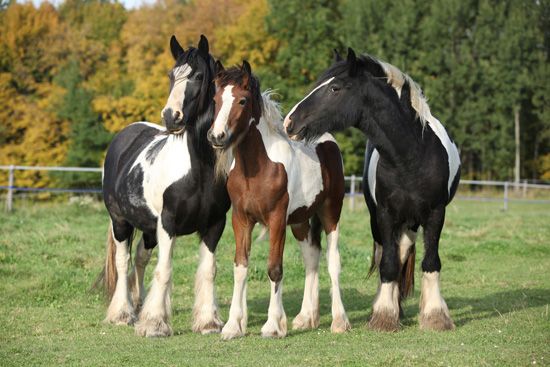
Horse breeds are distinct groups of horses that have been selectively developed by humans for specific traits, uses, and appearances. While the exact origins of horse domestication are complex, these animals have been bred for thousands of years to serve roles ranging from heavy labor to equestrian sports.12
Breeds are generally categorized into three primary types:
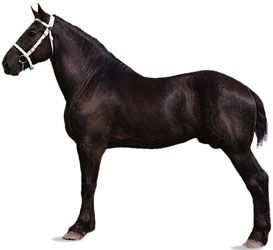
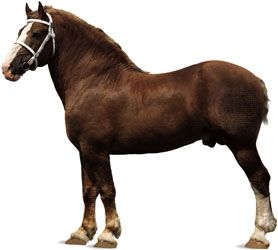
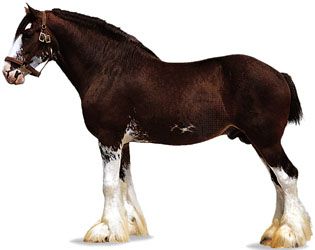
- Heavy Horses (Draft Horses): Bred for their strength and size to pull heavy loads, such as farm equipment or wagons. Examples include the Belgian, Clydesdale, Percheron, and Shire.2
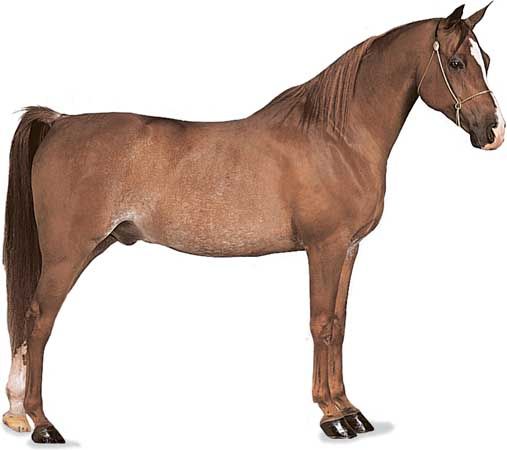
- Light Horses: Primarily used for riding and sports like dressage, show jumping, and horse racing. This group includes the Arabian, Thoroughbred, and American Quarter Horse.23
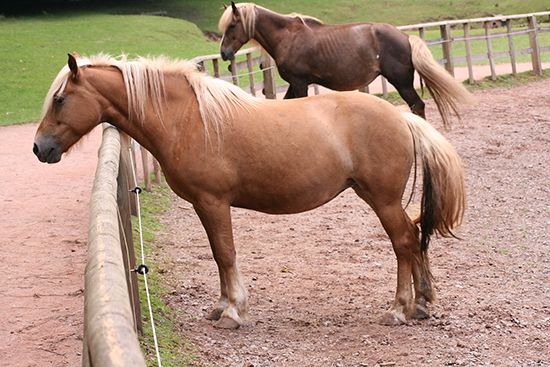
- Ponies: The smallest breeds, often used as pack animals or as mounts for children. Examples include the Shetland, Welsh, and Connemara pony.2
These classifications are based on factors like physical build, height (measured in hands), and historical aptitude for specific tasks.12
How do experts measure a horse’s height in hands?
A hand is an ancient unit of length used to measure the height of a horse from the ground to its withers, which are the highest points of the shoulders.
The unit is standardized at 4 inches (10.16 cm). Historically, it was defined by the breadth of a human palm, including the thumb, and was later formalized as a statute by King Henry VIII of England. When measuring, the total height is expressed in hands; for example, a horse that is 60 inches tall would be described as 15 hands high.
What are the main differences between warmblood and cold-blooded horses?
In the context of horse breeding, the terms “warmblood” and “cold-blooded” refer to distinct categories based on temperament, physical build, and historical use, rather than actual body temperature.
Warmblood Horses
Warmbloods are athletic and agile horses typically developed for equestrian competitions such as dressage, show jumping, and eventing. They are characterized by a combination of traits from “hot-blooded” breeds (like the Arabian and Thoroughbred) and heavier draft bloodlines. This heritage results in a horse that is noted for its trainability, fluid gaits, and generally calm yet spirited temperament. Examples include the Hanoverian and Trakehner.82
Cold-Blooded Horses
“Cold-blooded” is a term historically used to describe the heavier, larger, and calmer working breeds, often referred to as draft horses. These horses originated from northern regions and were selectively bred for their immense strength and endurance to perform heavy labor, such as pulling wagons or farm equipment. They are typically slower and more docile than their warmblood or light-horse counterparts. Well-known examples of these breeds include the Belgian, Clydesdale, and Percheron.92
How did humans first begin to domesticate horses?
Archaeological evidence suggests that the domestication of horses occurred approximately 6,000 years ago in the steppelands north of the Black Sea, spanning from Ukraine to Kazakhstan.12
Initially, horses were primarily utilized as a source of meat and skin. Over time, their role shifted significantly; they became essential in chariot warfare during the 2nd millennium BCE and were later adopted for transportation as riding equipment like bits and saddles were developed.13
Genetic research indicates that horse domestication was a complex process involving multiple sites and the frequent introduction of local wild horses into the domestic gene pool. While maternal lineages show high diversity—suggesting many mares contributed to the founding populations—paternal lineages show very little variation, likely because breeders selectively used a small number of more cooperative stallions to impregnate large numbers of mares.12
Sources
- horse - Breeds of horses — Encyclopædia Britannica
- Horse breeds — Encyclopædia Britannica
- horse - Light breeds — Encyclopædia Britannica
- 6 Domestic Animals and Their Wild Ancestors — Encyclopædia Britannica
- hand — Encyclopædia Britannica
- Thoroughbred — Encyclopædia Britannica
- hand — Merriam-Webster
- warmblood — Merriam-Webster
- cold-blooded — Merriam-Webster
- temperaments — Merriam-Webster
- temperament — Merriam-Webster
- horse - Origin of horse domestication — Encyclopædia Britannica
- Domestication - Domestication of animals — Encyclopædia Britannica
- Livestock farming - Horses — Encyclopædia Britannica
Published on · 3 min read