Pterodactyl
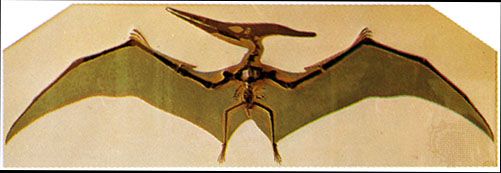
The term pterodactyl is an informal name used to describe a subgroup of flying reptiles known as Pterodactyloidea, which existed from the Late Jurassic…
What is pterodactyl?
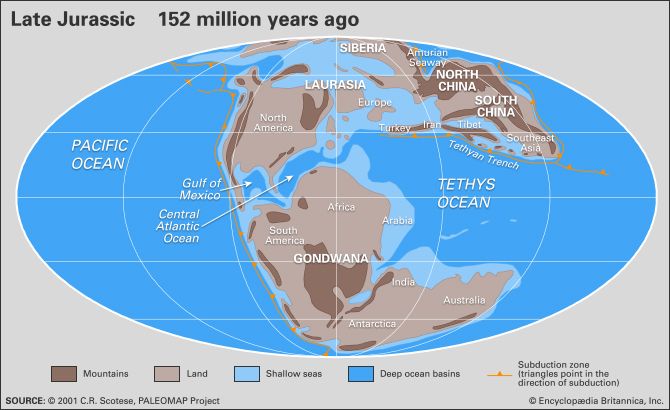
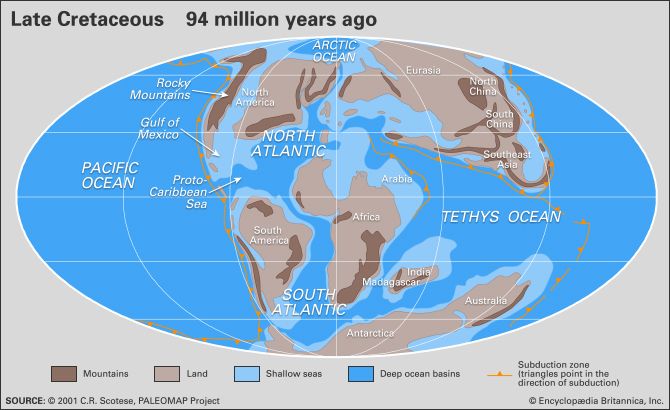
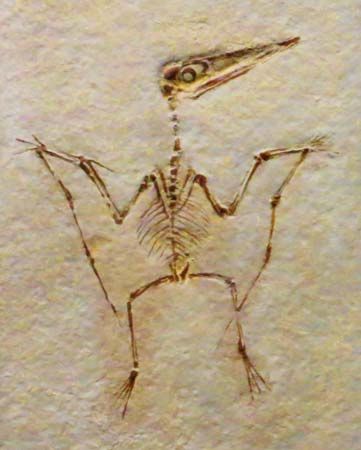
The term pterodactyl is an informal name used to describe a subgroup of flying reptiles known as Pterodactyloidea, which existed from the Late Jurassic through the Late Cretaceous epochs (approximately 163.5 million to 66 million years ago).1
It is important to clarify that while often used interchangeably with the broader group pterosaur, “pterodactyl” specifically refers to the more advanced pterodactyloids. These creatures are distinguished from earlier, basal pterosaurs by their reduced teeth, shorter tails, and the absence of a fifth toe. Their anatomy featured elongated palm bones (metacarpals) and proportional differences in their skulls, necks, and pelvises.12
Well-known genera within this group include:
- Pterodactylus: A Late Jurassic form from Germany.1
- Pteranodon: A large, toothless Late Cretaceous form with a prominent cranial crest.13
- Azhdarchids: A group that includes some of the largest known flying animals, such as Quetzalcoatlus, with wingspans reaching up to 11 metres (36 feet).1
How did pterosaurs differ from the dinosaurs that lived during the same time?
Although pterosaurs and dinosaurs lived during the same Mesozoic Era, they are distinct groups of archosaurs that diverged from a common ancestor approximately 250 million years ago. While they share a close evolutionary relationship, they are not the same; pterosaurs belong to the clade Pterosauromorpha, whereas dinosaurs and their closest relatives fall within Dinosauromorpha.245
Key physical differences include:
- Hip and Arm Anatomy: Dinosaurs are characterized by an empty hole in their hip socket and a long crest on their upper arm bone; pterosaurs possess neither of these features.4
- Wing Structure: Pterosaurs were the first vertebrates to achieve flight. Their wings consisted of a skin membrane attached to an elongated fourth finger, whereas dinosaur wings (in the case of birds) are structured differently.24
- Evolutionary Lineage: Dinosaurs have living descendants in the form of modern birds, while all pterosaur lineages ended in extinction at the end of the Cretaceous Period.24
What are some of the largest flying animals that have ever existed?
Throughout history, several remarkable animals have achieved flight, with some reaching sizes that challenge our understanding of biological limits.
Prehistoric Giants
The largest flying animals to ever exist were the pterosaurs, specifically members of the family Azhdarchidae.67
- Quetzalcoatlus northropi: Widely considered the largest flying creature in history, this pterosaur lived during the Late Cretaceous Period. It possessed a wingspan of up to 11 meters (36 feet) and stood approximately 5 meters (16 feet) tall, a size comparable to a modern giraffe.869
- Pelagornis sandersi: Among birds, this extinct species from the Tertiary Period holds the record for the largest wingspan, which may have reached 7 meters (24 feet), surpassing the physical limits previously thought possible for flying birds.9
- Teratornis incredibilis: A large bird from the Pleistocene Epoch, it featured an estimated wingspan of about 5 meters (16.5 feet).1
Modern Records
Among living species, the wandering albatross holds the record for the greatest wingspan, reaching up to 3.5 meters (11.5 feet). While these animals are impressive, their size is constrained by the relationship between wing area and body weight.1
How did the wings of a pterosaur function compared to those of modern birds?
Pterosaurs and modern birds both evolved flight, but they utilized fundamentally different anatomical structures to achieve it.
Wing Structure and Composition
- Pterosaurs: Their wings were formed by a membrane of skin, similar to that of bats, which was supported primarily by an elongated fourth finger. To enhance strength and maneuverability, the membrane contained a system of fine, parallel keratinous fibers. An accessory membrane between the shoulder and wrist helped reduce turbulence during flight.10
- Birds: Bird wings are defined by feathers, which are complex structures made of beta keratin. The wing surface is created by flight feathers (remiges) attached to the skeleton of the hand and forearm. These feathers are engineered to be lightweight and strong, with interlocking barbules that provide aerodynamic integrity.211
Mechanics of Flight
- Pterosaurs: While they were strong fliers, their large size—as seen in genera like Pteranodon—often precluded sustained flapping, suggesting they relied heavily on soaring. They possessed hollow bones and reinforced shoulder girdles to support the power required for flight.1210
- Birds: Birds utilize both hovering and propulsive flight. Their wings are linked structures where the shape and inclination are adjusted by muscular and bony segments. Large pectoral muscles attached to the sternum provide the power for the up-and-down strokes, creating lift through the airfoil shape of the wing.3
Sources
- pterodactyl — Encyclopædia Britannica
- pterosaur — Encyclopædia Britannica
- Pteranodon — Encyclopædia Britannica
- Why Are Pterodactyls Not Dinosaurs? — Encyclopædia Britannica
- dinosauromorph — Encyclopædia Britannica
- Quetzalcoatlus: Top Questions — Encyclopædia Britannica
- Quetzalcoatlus — Encyclopædia Britannica
- Defying Gravity: 7 of the Biggest Things That Ever Flew — Encyclopædia Britannica
- Bird - General features — Encyclopædia Britannica
- Wing — Encyclopædia Britannica
- Locomotion - Wings of birds and bats — Encyclopædia Britannica
- Integument - Birds — Encyclopædia Britannica
- feathered dinosaur — Encyclopædia Britannica
Published on · 3 min read