Rust Fly
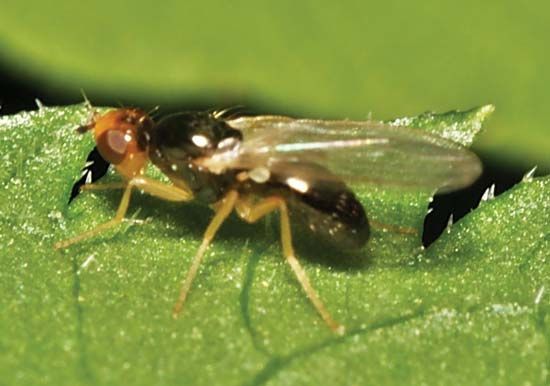
The term "rust fly" refers to any insect within the family Psilidae (order Diptera). These insects are characterized by their small, slender, brownish bodies…
What is rust fly?
The term “rust fly” refers to any insect within the family Psilidae (order Diptera). These insects are characterized by their small, slender, brownish bodies and long antennae.1
The larvae of these flies are known to feed on plants, which can make them significant garden pests. The most notable member of this group is the carrot rust fly (Psila rosae, also known as Chamaepsila rosae), which is recognized for the damage it causes to crops such as carrots, celery, and other related plants.1
How do rust fly larvae damage vegetable crops?
Rust fly larvae, particularly those of the carrot rust fly (Psila rosae), damage vegetable crops by burrowing directly into the roots of host plants.12
This feeding behavior compromises the structural integrity and health of the plant, often rendering root vegetables like carrots and celery unmarketable or inedible. While cultural practices—such as crop rotation, deep plowing, and the destruction of crop residues—can help reduce the impact of various insect pests, they are often insufficient to eliminate severe infestations on their own.13
What are some natural ways to control garden pests?
Natural pest control relies on integrated pest management, an approach that prioritizes ecologically harmonious methods to keep infestations manageable while minimizing the use of chemical pesticides.45
Effective natural strategies include:
- Biological Controls: Introducing or encouraging natural predators, parasites, or pathogens—such as specific bacteria, fungi, or insects—that target pest species without harming humans or domestic animals.465
- Cultural Practices: Maintaining garden health through crop rotation, proper pruning to ensure air circulation, and the prompt removal and destruction of dead or diseased plant material.6
- Resistant Varieties: Selecting and breeding plant varieties that are naturally immune or resistant to specific pests.465
- Mechanical and Physical Methods: Using sticky barriers, traps baited with pheromones to disrupt mating, or even the release of sterilized insects to reduce pest populations.475
By combining these techniques, gardeners can maintain a healthy environment and reduce reliance on potentially harmful chemical agents.65
What other types of insects are considered common garden pests?
Beyond the carrot rust fly, many other insects and mites are recognized as significant garden and agricultural pests. These organisms damage plants through various feeding habits, including sap-sucking, leaf-chewing, and wood-boring.
Common Garden Pests
- Aphids: These small, soft-bodied, sap-sucking insects (family Aphididae) can stunt plant growth, cause leaf deformation, and transmit plant virus diseases. They are often associated with ants, which protect them in exchange for the sweet honeydew they excrete.8
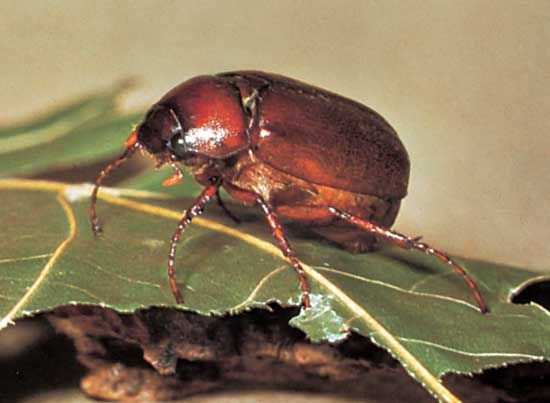
- Beetles and Weevils: Many species in the order Coleoptera are destructive. Leaf beetles (Chrysomelidae) feed on foliage, while bark beetles and metallic wood borers (Buprestidae) damage trees by boring into the cambium. Others, such as June beetles and chafers, have larvae that feed on grass roots.9
- Cabbage Loopers: The cabbage looper (Trichoplusia ni) is a caterpillar known for its distinctive crawling motion. It is a major economic pest that feeds on cabbage and related vegetable crops.10
- Spider Mites: Often called red spiders, these mites (family Tetranychidae) feed on houseplants and orchard crops. They are known for spinning fine silk webbing on plants, and heavy infestations can lead to complete defoliation.11
These pests are often managed through a combination of biological controls, such as introducing natural predators like ladybird beetles or predatory mites, and targeted chemical or physical interventions.811
Sources
- rust fly — Encyclopædia Britannica
- carrot rust fly — Merriam-Webster
- Agricultural technology - Mechanical and cultural controls — Encyclopædia Britannica
- Integrated pest management — Encyclopædia Britannica
- Pest — Encyclopædia Britannica
- gardening - Control of pests and diseases — Encyclopædia Britannica
- Agricultural technology - Biological controls — Encyclopædia Britannica
- Coleoptera - As plant feeders — Encyclopædia Britannica
- aphid — Encyclopædia Britannica
- cabbage looper — Encyclopædia Britannica
- red spider — Encyclopædia Britannica
Published on · 3 min read