Soil Seed Bank
A soil seed bank is the natural repository of seeds found in leaf litter, on the soil surface, or within the soil itself. These banks serve as a vital…
What are the different types of soil seed banks, and how do they differ?
A soil seed bank is the natural repository of seeds found in leaf litter, on the soil surface, or within the soil itself. These banks serve as a vital survival mechanism for many plants, helping them endure environmental stresses like drought, wildfire, or cold.
Scientists classify these banks into two primary types based on the duration of seed dormancy:
- Transient seed banks: These are composed of species that produce seeds with little to no dormancy. These seeds typically germinate before the next production cycle, meaning the bank is frequently depleted and reestablished. This strategy is common among long-lived perennials, such as trees and shrubs, which often rely on other life-history stages for population persistence.
- Persistent seed banks: These contain seeds capable of remaining dormant for more than a year, ensuring a constant reserve of viable seeds in the soil. This is common in annual plants and certain woody plants, where the failure to establish a new generation would threaten the population’s survival.
How does the composition of soil seed banks vary across different ecosystems?
The composition of soil seed banks varies significantly across ecosystems, largely dictated by the frequency and nature of environmental disturbances and the survival strategies of the local flora.2
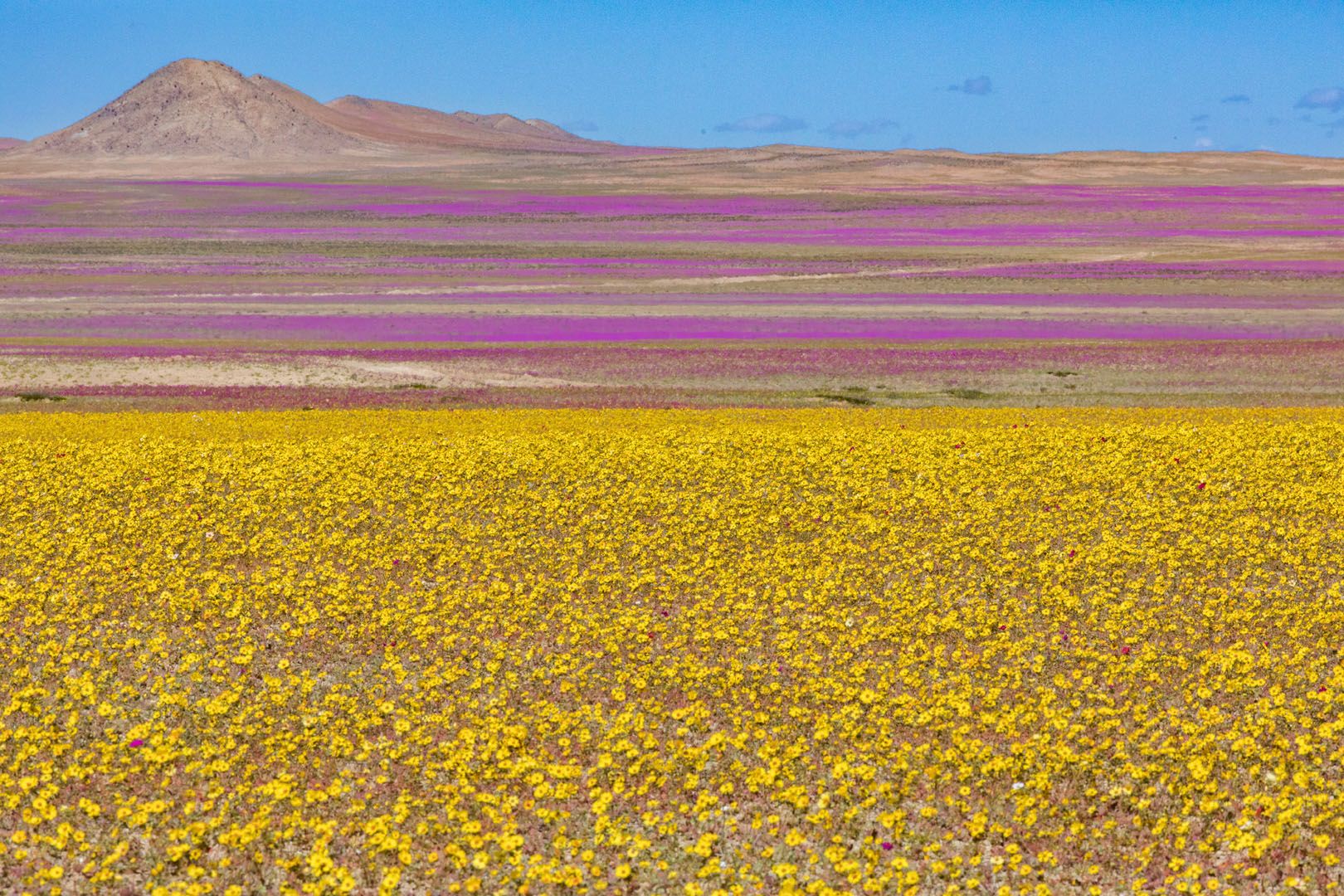
- Arid Ecosystems: In deserts, annual plants often rely on persistent seed banks to survive highly irregular rainfall. These reserves are essential to prevent local extinction, sometimes resulting in mass germination events known as super blooms.2
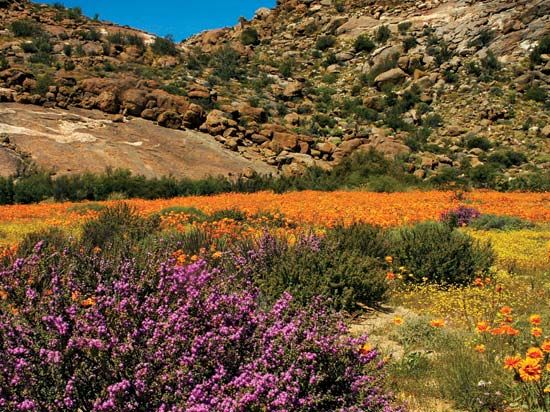
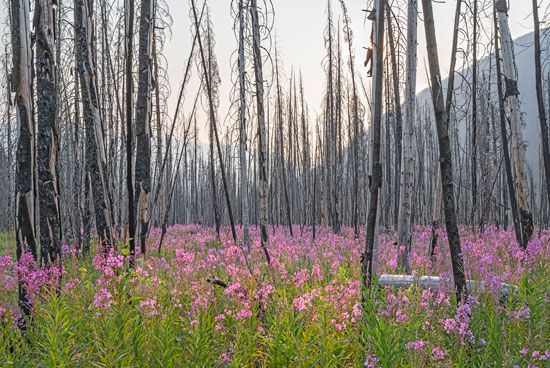
- Fire-Prone Ecosystems: Areas with Mediterranean climates, such as parts of Australia, California, and South Africa, feature persistent seed banks highly adapted to wildfire. Many species in these regions require specific cues—such as heat pulses or chemicals from smoke and charred wood—to break dormancy, ensuring germination occurs only after a fire has cleared the landscape.2
- Agricultural Environments: The seed banks of weeds in agricultural settings are shaped by constant human-made disturbances. These species often exhibit complex dormancy patterns that have evolved specifically to match the timing and intensity of agricultural practices.2
What role do soil seed banks play in ecosystem restoration and conservation efforts?
Soil seed banks are fundamental to ecosystem restoration and conservation because they act as a critical biological reserve, ensuring the long-term stability of plant populations against environmental stresses like drought, wildfire, and other disturbances.2
In conservation planning, these banks are essential because they represent a “hidden” population that traditional field surveys often overlook. By maintaining a reservoir of viable seeds in the soil, species can avoid local extinction during years when conditions are unfavorable for growth.2
Ecological restoration efforts benefit from understanding these dynamics in several ways:
- Population Resilience: Persistent seed banks allow annuals and certain woody plants to recover after catastrophic events, as the seeds remain dormant until specific environmental cues—such as heat pulses or chemical signals from smoke—trigger mass germination.2
- Informed Management: Because the composition of a seed bank reflects the ecological constraints a species faces, researchers use population-dynamics models to predict how ecosystems might respond to restoration interventions or climate shifts.2
- Restoration Strategy: Recognizing the presence of a seed bank helps conservationists determine whether an area can naturally regenerate or if active seeding is required to restore biodiversity.2
How long can seeds remain viable in a soil seed bank?
The duration for which seeds remain viable in a soil seed bank varies drastically depending on the species, environmental conditions, and the nature of the seed’s dormancy.34
- Short-lived seeds: Some species, such as willows, have seeds that lose viability within a single week. Tropical rainforest trees also frequently produce seeds with low life expectancy.32
- Intermediate longevity: Many seeds, including those of sugarcane and coconut palm, typically remain viable for up to a year.3
- Long-lived seeds: Under favorable conditions, some seeds exhibit remarkable longevity. For example, sacred lotus seeds found in a peat deposit were estimated to be approximately 1,400 years old yet still germinated. Even more extreme, seeds of the arctic tundra lupine found in a frozen lemming burrow were determined to be at least 10,000 years old and remained viable.3
Viability is generally better retained in environments with low moisture content. While some species have transient seed banks that deplete quickly, others maintain persistent seed banks as a vital survival strategy against environmental disturbances.34
Sources
- life span - Longevity of seeds — Encyclopædia Britannica
- soil seed bank — Encyclopædia Britannica
- seed - Dormancy and life span of seeds — Encyclopædia Britannica
- seed - Afterripening, stratification, and temperature effects — Encyclopædia Britannica
Published on · 4 min read