South Georgia
South Georgia has played a pivotal role in the history of both Antarctic exploration and the global whaling industry.
What is the historical significance of South Georgia in relation to exploration and whaling?
South Georgia has played a pivotal role in the history of both Antarctic exploration and the global whaling industry.
Whaling History
During the 19th and early 20th centuries, South Georgia served as a critical base for whaling and sealing expeditions. In 1904, Norwegian whalers established a major commercial outpost at Grytviken, marking the beginning of intensive industrial whaling in the region. The island’s strategic location in the South Atlantic made it a hub for these operations until the industry ceased there in 1965. The legacy of this era is preserved today at the South Georgia Museum, which houses extensive exhibits on maritime history and the whaling industry.1
Exploration and Significance
South Georgia is famously linked to the heroic age of Antarctic exploration, most notably through Sir Ernest Shackleton. In 1916, during his ill-fated British Imperial Trans-Antarctic Expedition, Shackleton and a small crew sailed 800 miles to the island in a whale boat to seek rescue for his stranded men. He subsequently completed the first crossing of the island’s interior. Shackleton later died at Grytviken in 1922 and remains buried there.123
What role did South Georgia play during the Falklands War in 1982?
South Georgia played a significant role in the early stages of the Falkland Islands War in 1982, serving as a catalyst for the conflict and an early site of military engagement.
- Trigger for Conflict: Tensions escalated on March 19, 1982, when Argentine salvage workers landed on South Georgia and raised the Argentine flag. This dispute accelerated the timetable for the broader Argentine invasion of the Falkland Islands, which occurred on April 2.910
- Argentine Occupation: Following the invasion of the Falklands, Argentine marines seized South Georgia on April 3, 1982, overcoming the small British presence stationed there.910
- British Recapture: On April 25, 1982, while the main British naval task force was still en route to the region, a smaller British force successfully retook South Georgia. During this operation, British forces captured one of Argentina’s vintage diesel-electric submarines.910
- Post-War Presence: Following the conclusion of the war, Britain established a garrison on the island to maintain security, which remained in place until it was decommissioned in 2001.4
How does the climate of South Georgia affect its flora and fauna?
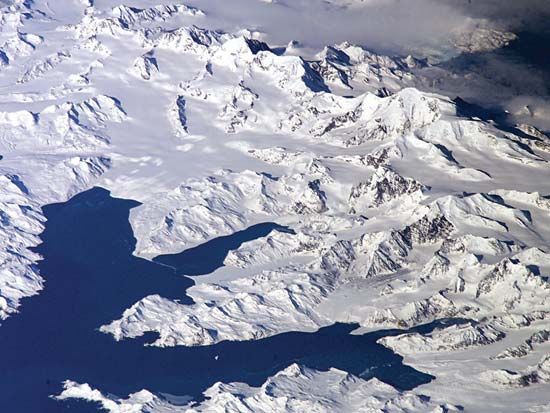
The climate of South Georgia is characterized as a bleak, Antarctic environment, which significantly dictates the island’s limited biological diversity. With high mountains and heavy precipitation, the island features extensive glaciers and perennial snow cover across three-fourths of its landmass.113
Impact on Flora
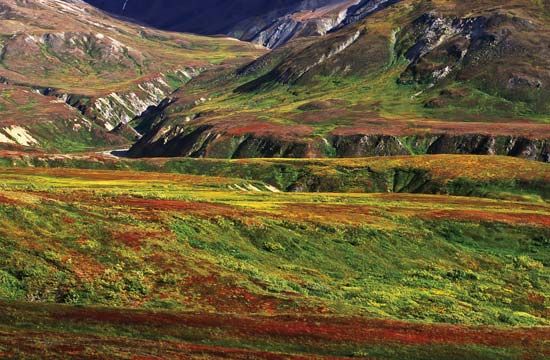
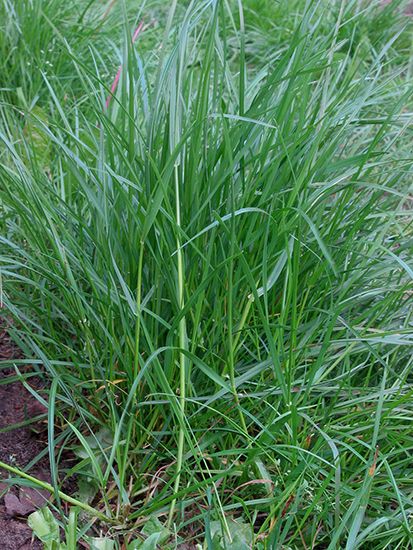
The harsh conditions, including extreme cold and high winds, restrict plant life primarily to hardy tundra vegetation near sea level, where soil formation is possible. The island supports a limited number of vascular plant species—estimates range from 26 to at least 50—which are dominated by mosses and tussock-forming grasses.11314
Impact on Fauna
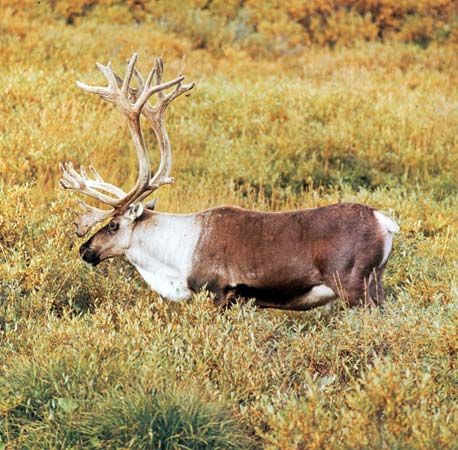
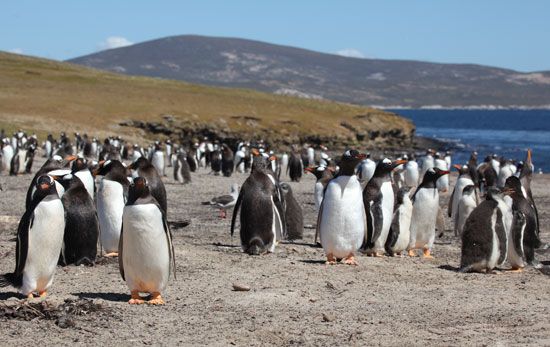
The island has no native land mammals, though humans have introduced species that have altered the ecosystem. For instance, reindeer introduced in the early 1900s established feral populations and caused significant changes to plant communities through grazing. Additionally, the arrival of the Norway rat via whaling and sealing vessels previously threatened native birds, such as the albatross and penguin, until a successful extermination effort was completed in 2018. Offshore, the cold, nutrient-rich waters support abundant marine life, including various seal species and krill.131
What is the geographical location and size of South Georgia island?
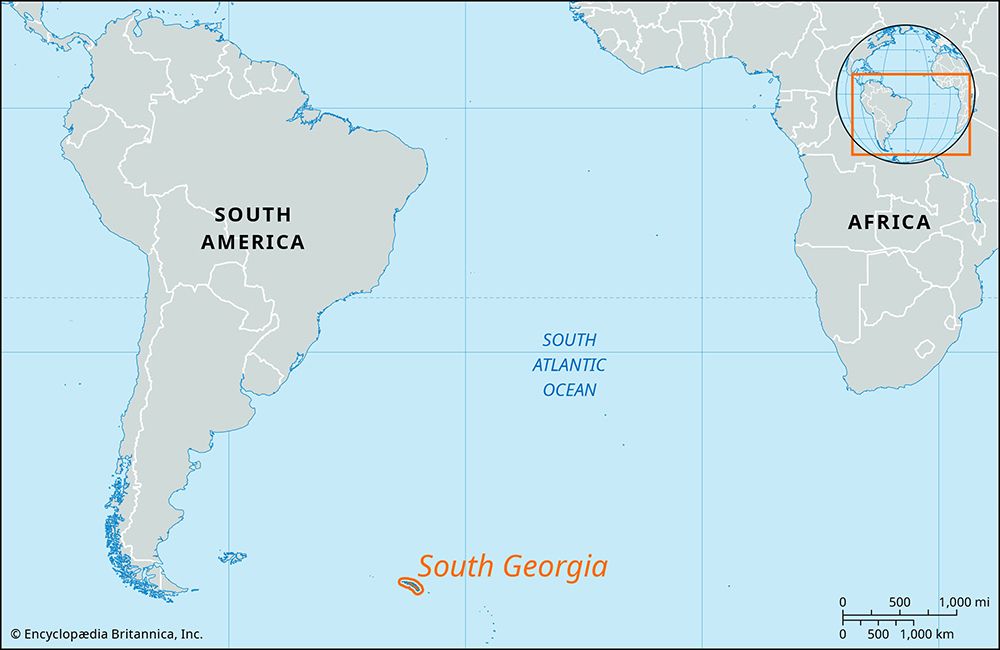
South Georgia is a mountainous, barren island located in the South Atlantic Ocean, approximately 800 miles (1,300 km) east-southeast of the Falkland Islands and east of Tierra del Fuego.41
The island covers an area of 1,450 square miles (3,756 square km). It measures 100 miles (160 km) in length and 20 miles (32 km) in width, with its highest point reaching Mount Paget at 9,625 feet (2,934 metres).1
Sources
- South Georgia — Encyclopædia Britannica
- Ernest Shackleton: Top Questions — Encyclopædia Britannica
- Antarctica - Early geographic discoveries — Encyclopædia Britannica
- South Georgia — Merriam-Webster
- Ernest Shackleton — Encyclopædia Britannica
- whaling - Early commercial whaling — Encyclopædia Britannica
- whaling - Primitive whaling — Encyclopædia Britannica
- Scotia Sea — Encyclopædia Britannica
- Falkland Islands - History of the Falkland Islands — Encyclopædia Britannica
- Falkland Islands War — Encyclopædia Britannica
- Falkland Islands War: Top Questions — Encyclopædia Britannica
- History of Argentina - Galtieri and the Falklands War — Encyclopædia Britannica
- Antarctica - Plant life — Encyclopædia Britannica
- Polar ecosystem - The Antarctic region — Encyclopædia Britannica
- Georgia - Plant and animal life — Encyclopædia Britannica
- Georgia - Plant and animal life — Encyclopædia Britannica
- South Sandwich Islands — Merriam-Webster
Published on · 3 min read